

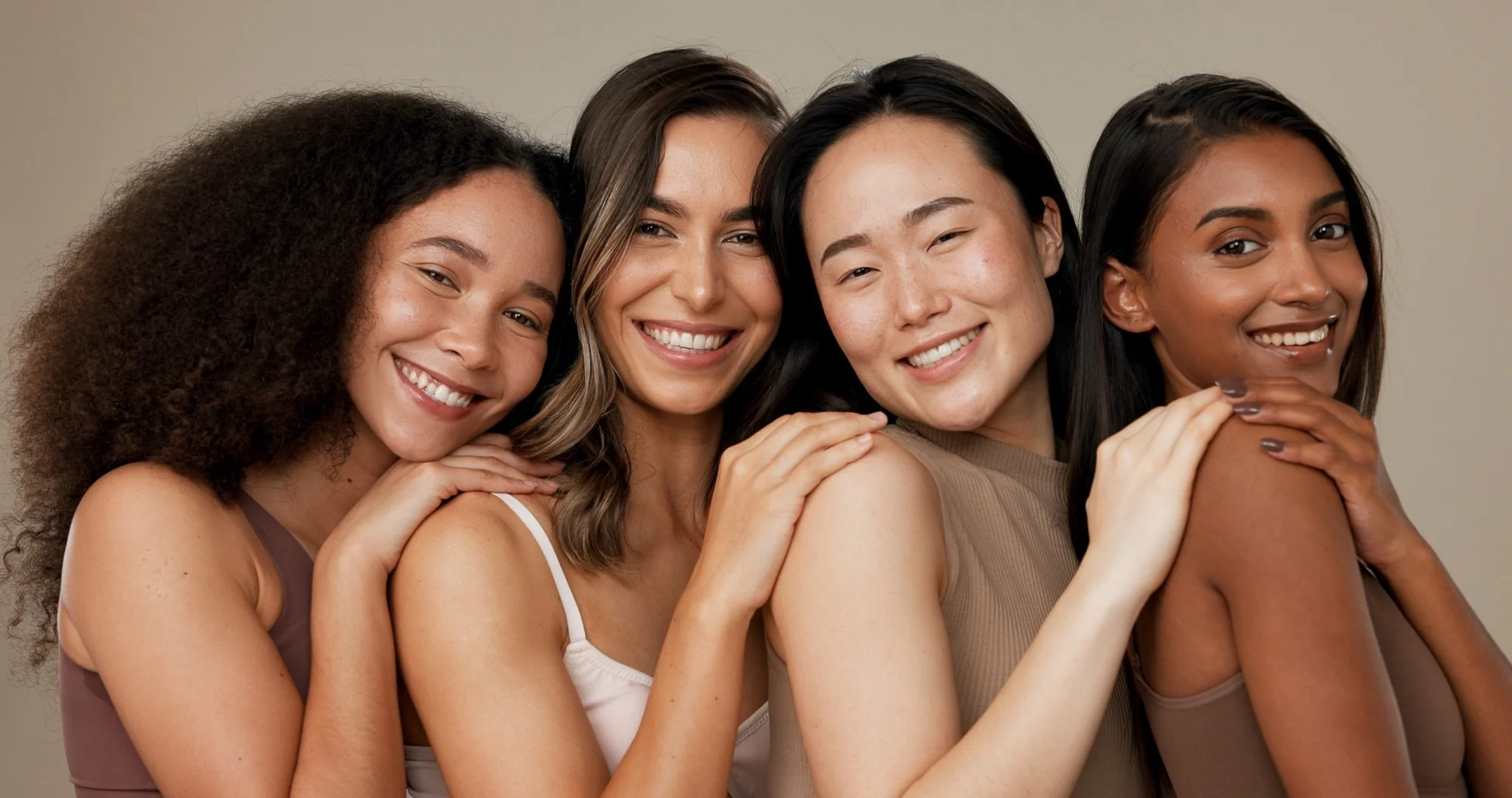
DELRAY BEACH, Fla. — Tiffany Henriques, 26, says she shifted more than $1,000 a month into organic groceries, supplements and wellness apps in 2025, a personal example of the surge in Gen Z wellness spending. Researchers say the shift reflects young adults trading nights out for habits that promise more energy, less anxiety and a sense of control over health, Jan. 6, 2026.
Henriques, a wellness influencer, told Reuters she rarely drinks alcohol and now channels that discretionary cash into what she calls feeling “good inside and out.” Her monthly tally includes about $600 for locally sourced groceries, roughly $400 for supplements such as magnesium and sea moss, and at least $200 for classes, trackers and apps. A meditation retreat she planned for January could add as much as $2,000 more.
Gen Z wellness spending, by the numbers
The broader math helps explain why the category keeps expanding: McKinsey estimates the U.S. wellness market at more than $500 billion a year, growing 4% to 5% annually. In the firm’s latest survey, Gen Z and millennials make up about 36% of the U.S. adult population but drive more than 41% of annual wellness spending — a gap that shows up in everything from fitness and functional nutrition to mental health tools and in-person services.
That doesn’t mean everyone is buying the same thing. McKinsey says younger consumers tend to spread dollars across “discretionary” add-ons — health-tracking devices, massage tools and apps — while older consumers lean more heavily on basics such as vitamins and over-the-counter health products. The result is a mix of practical purchases and what looks increasingly like identity spending, with Gen Z wellness spending often centered on prevention and personalization.
How Gen Z wellness spending shows up in real life
For Henriques, the shift is less about a single product than a new default budget line. “Now this money goes toward my health,” she said. She also urged followers not to confuse consistency with excess. “You don’t need a whole supplement regimen,” Henriques said, pointing instead to habits like meditation and nutrient-dense food.
Still, the pressure to “optimize” can collide with financial reality. Deloitte’s 2025 Gen Z and Millennial Survey found nearly half of Gen Z respondents (48%) do not feel financially secure — a backdrop that makes the price tag on Gen Z wellness spending harder to ignore.
And yet, many are rebalancing rather than splurging across the board. PwC’s analysis of Gen Z consumer behavior notes that this cohort reported cutting back on everyday categories such as restaurants and takeout (51%) and alcohol (29%) as they decide what still feels “worth it.” That tradeoff helps explain why Gen Z wellness spending can rise even when overall budgets tighten.
The mindset has been building for years. A 2020 Vanity Fair essay captured how wellness surged in moments of uncertainty, when routines and “doing something” felt like relief. By 2022, McKinsey pegged U.S. wellness spending at more than $450 billion and still growing — a runway that helps explain today’s bigger, more mainstream market.
Experts say the healthiest version of Gen Z wellness spending isn’t necessarily the priciest: it’s the spending that fits a budget, supports mental well-being, and doesn’t crowd out long-term security.


