LONDON — The UK government will close the Global Health Workforce Programme at the end of March, ending a flagship aid-backed initiative that supported health-worker training and system strengthening across six African partners and that ministers once described as part of Britain’s pandemic preparedness, March 17, 2026. The shutdown comes as London squeezes overseas assistance and phases official development assistance down to 0.3% of gross national income by April 2027, forcing what ministers say are tougher choices across the aid budget.
In a written parliamentary answer published March 3, minister Chris Elmore said the programme, led by the Department of Health and Social Care and delivered by organizations including Global Health Partnerships, is “closing at the end of March 2026.” He said the government would work on sustainability beyond the programme’s lifetime but added: “With less money, we must make choices and focus on greater impact.”
The closure sits inside a broader reset of UK development spending. The government’s Spring Statement aid plan set out a path from about 0.5% of GNI in 2024-25 to 0.3% by April 2027, part of a wider reprioritization that ministers say will align a smaller aid budget more tightly with UK objectives.
Why the Global Health Workforce Programme mattered
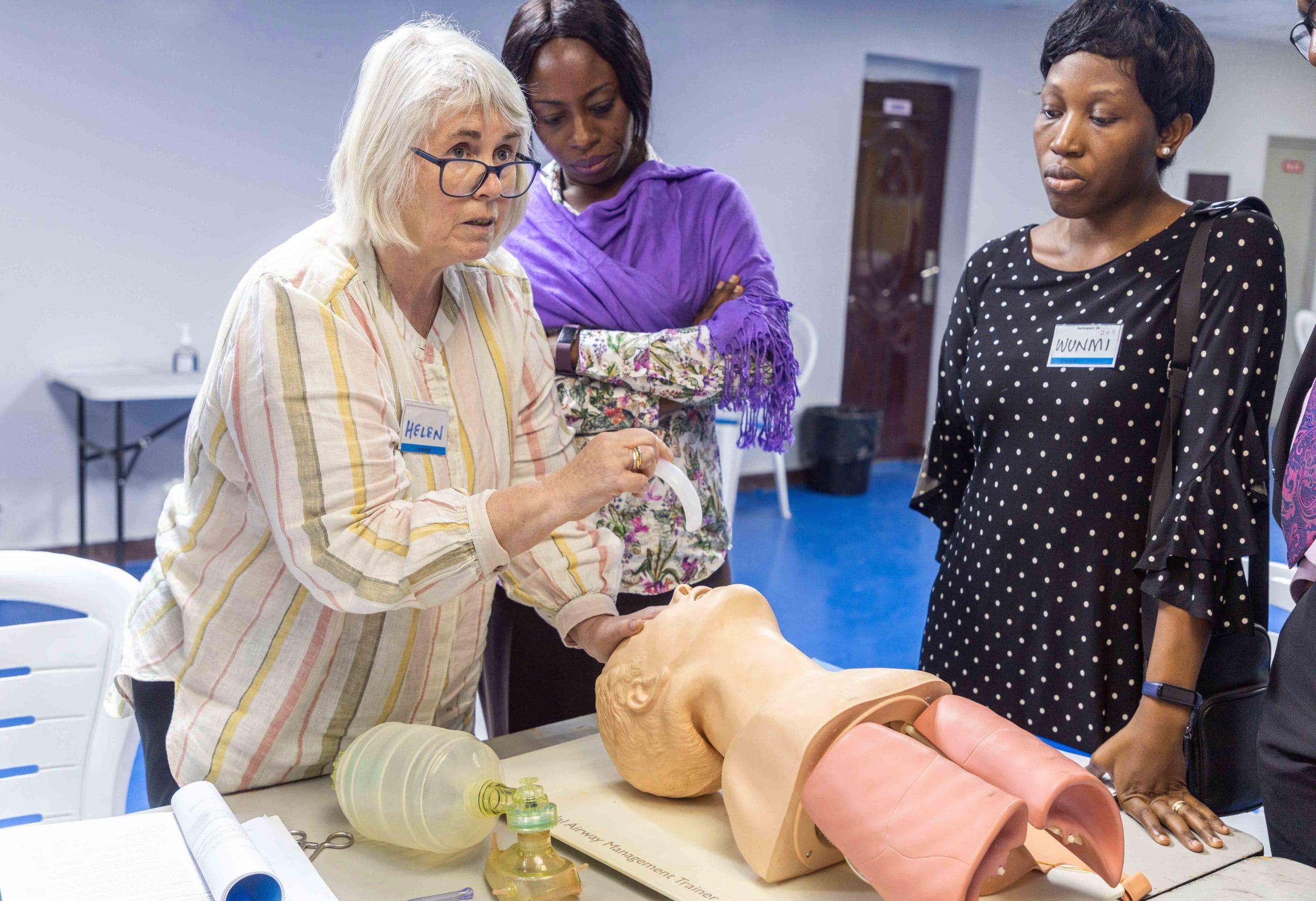
Official UK guidance in a 2025 code of practice on international recruitment described the Global Health Workforce Programme as a £20 million initiative spanning Ghana, Kenya, Nigeria, Malawi, Ethiopia and Somaliland. The document said the model paired WHO support on workforce planning and capacity-building with partnership work aimed at improving curriculum, regulation and retention.
That logic was explicit from the start. In a 2023 funding announcement, then-health minister Will Quince said stronger workforces in partner countries would have a “knock-on effect on boosting global pandemic preparedness” and argued that “patients in the UK are not safe unless the world as a whole is resilient against health threats.”
The programme also backed system-level work, not just short-term exchanges. In Kenya, WHO said GHWP support helped convene a national dialogue on workforce development and management that ended with the Kericho National Declaration on Health Workforce, according to a September 2024 case study.
Global Health Workforce Programme closure fits a longer trend
The argument behind GHWP did not emerge in a vacuum. In 2021, The Guardian reported that earlier UK aid reductions were already disrupting coronavirus research overseas. By 2023, Reuters reported that Britain was relying on record international nurse recruitment to plug staffing gaps at home. In 2024, health leaders told The Guardian that heavy recruitment from the global south was weakening already stretched systems.
Set against that backdrop, the programme’s closure revives an unresolved policy tension. British ministers previously presented investment in overseas health workforces as both an ethical counterweight to recruitment and a practical hedge against cross-border outbreaks. Ending GHWP does not settle that argument; it sharpens it.
The immediate fact is simpler. A programme once promoted by ministers as part of Britain’s defense against future health threats will end at the close of this month. The bigger question is whether the UK can keep arguing that global health security matters at home while stepping back from one of the partnerships it used to make that case.