
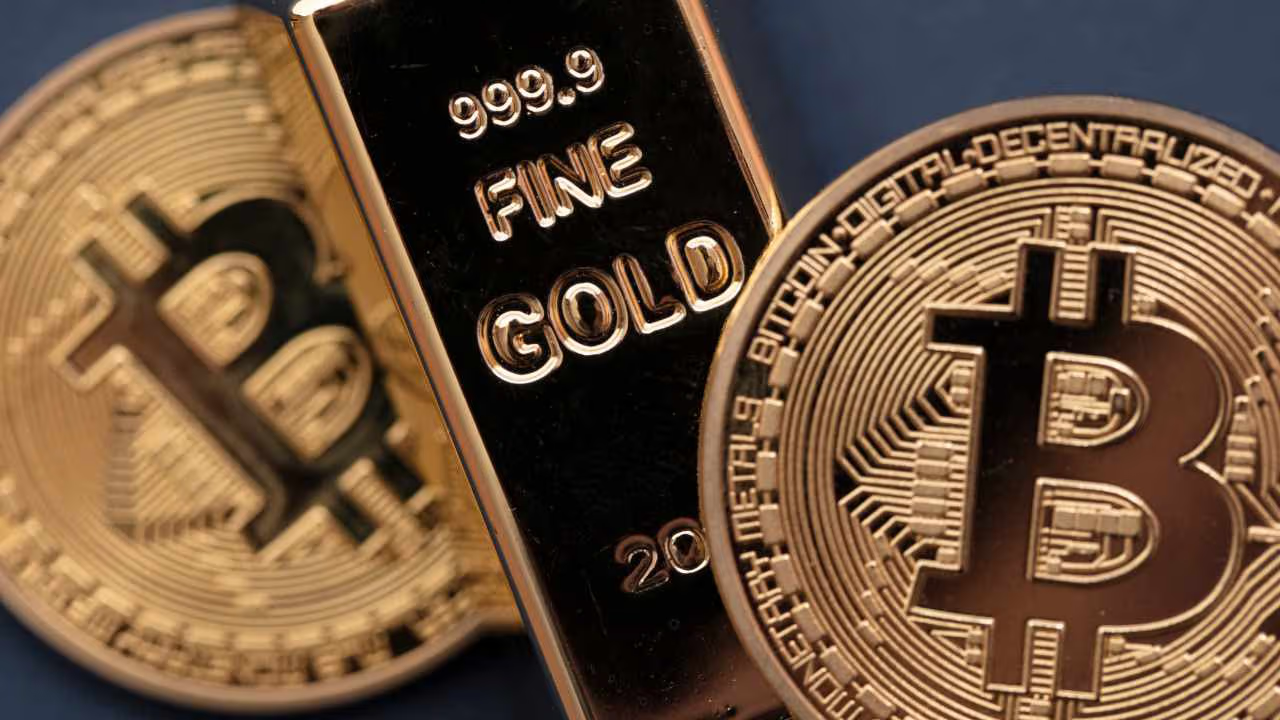
Gold prices tumbled to their lowest level in more than six months on Thursday as escalating conflict in the Middle East intensified inflation concerns and strengthened expectations that interest rates could remain higher for longer. The decline surprised many investors who typically view gold as a safe-haven asset during periods of geopolitical uncertainty.
Spot gold fell to around $4,063 per ounce during Asian trading hours, marking its weakest level since late November. U.S. gold futures also declined as traders reassessed the impact of rising energy prices and mounting inflationary pressures on future monetary policy. According to Reuters reporting, fresh U.S. military strikes on targets in Iran and concerns over disruptions in global oil supplies have significantly altered investor sentiment. Reuters reporting
Gold Price Drops Despite Safe-Haven Demand
Historically, geopolitical crises have boosted demand for gold as investors seek protection from market volatility. However, the current environment presents a more complicated scenario.
Oil prices surged after Iran reportedly moved toward restricting activity in the Strait of Hormuz, a critical global energy shipping route. Rising energy costs are fueling fears of renewed inflation, which in turn is increasing expectations that the Federal Reserve may maintain restrictive monetary policy longer than previously anticipated.
Market participants are now focused on the possibility of additional rate hikes later this year. A detailed market analysis from Yahoo Finance noted that investors increasingly view inflation risks as a larger immediate threat than geopolitical uncertainty, putting significant pressure on non-yielding assets such as gold.
Higher interest rates typically reduce gold’s appeal because the metal does not generate income, making interest-bearing assets relatively more attractive.
Why Rising Oil Prices Are Hurting the Gold Price
The unusual relationship between geopolitical risk and falling gold prices largely comes down to inflation expectations.
As oil prices climb, investors anticipate higher transportation, manufacturing and consumer costs across the global economy. These inflationary pressures can force central banks to keep rates elevated or even tighten policy further.
Recent U.S. consumer inflation data showed price growth accelerating to its fastest pace in nearly three years. Coverage from The Wall Street Journal highlighted how rising energy costs tied to Middle East tensions have significantly altered expectations for future Federal Reserve decisions.
As a result, traders are increasingly positioning for a prolonged period of higher borrowing costs, creating a challenging environment for precious metals.
Market Sentiment Shifts Toward the U.S. Dollar
Another factor weighing on gold is the strengthening U.S. dollar.
During periods of global stress, investors often seek safety in both gold and the dollar. This time, however, many market participants have favored the dollar because higher interest rates enhance its attractiveness relative to gold.
According to analysis published by Barron’s, investors have increasingly focused on inflation and bond yields rather than traditional safe-haven flows, contributing to gold’s sharp decline from its early-year highs.
Gold Price Trend Shows Growing Pressure Since March
The latest selloff did not emerge overnight. Gold has faced repeated pressure throughout 2026 as traders reassessed inflation risks and Federal Reserve policy expectations.
Earlier this week, Reuters reported that gold gains were already being capped by growing expectations of future rate hikes despite easing oil prices and temporary reductions in regional tensions. Those concerns have now intensified considerably.
In March, several analysts warned that surging oil prices linked to Middle East instability could eventually outweigh gold’s traditional safe-haven appeal if inflation expectations accelerated. Those warnings appear increasingly relevant as the conflict expands and energy markets remain volatile.
By May, gold briefly stabilized after previous declines as traders engaged in bargain hunting, but uncertainty surrounding the conflict and inflation outlook continued to dominate sentiment.
What Happens Next for the Gold Price?
Investors are now closely watching upcoming U.S. economic reports, including producer price data and Federal Reserve communications, for clues about the future path of interest rates.
Some analysts believe gold may be oversold after its rapid decline and could experience short-term rebounds driven by technical buying. Others argue that continued inflation pressure and elevated bond yields may keep the metal under pressure in the near term.
A broader commodities report from Moneycontrol noted that markets remain highly sensitive to developments in both the Middle East conflict and U.S. inflation data, making volatility likely to persist.
For now, the gold price remains caught between two powerful forces: traditional safe-haven demand generated by geopolitical instability and growing fears that inflation will keep interest rates elevated for longer than investors previously expected.