
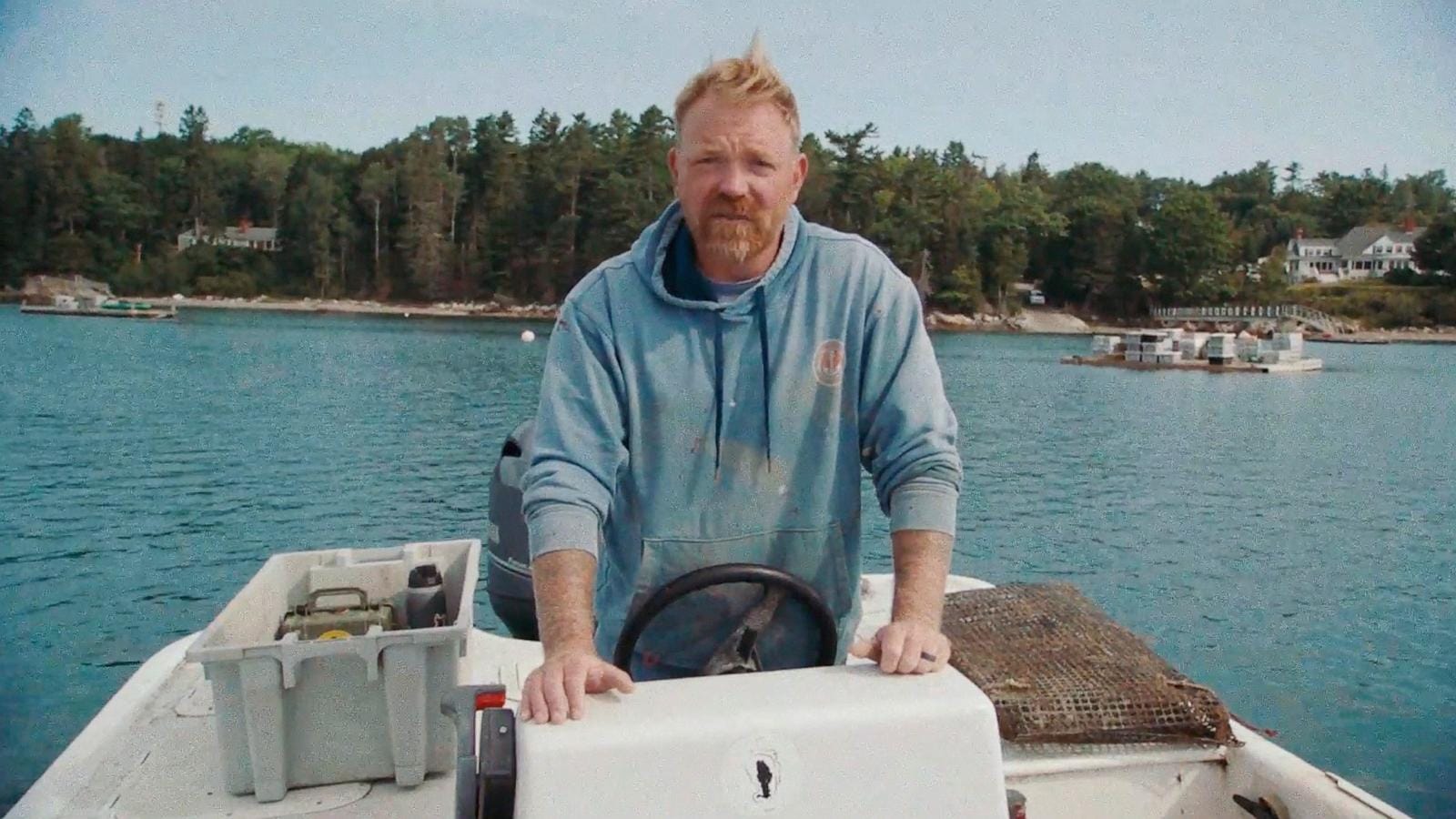
PORTLAND, Maine — In recent weeks, Democrats from Maine to Washington have argued publicly over what to do with Senate hopeful Graham Platner after resurfaced online comments and a tattoo controversy turned one insurgent campaign into a national test case for the party’s masculinity politics. The Graham Platner backlash is forcing progressives to ask whether tough-guy authenticity is a shortcut to winning disaffected men, or a trap that excuses behavior the left says politics should outgrow, Dec. 15, 2025.
Graham Platner, a Marine veteran and oyster farmer running in Maine’s Democratic primary to take on Republican Sen. Susan Collins, has apologized for past posts and says he has covered a tattoo that critics say echoes Nazi iconography, the Associated Press reported. Platner has said he got the tattoo while drinking during his military years and did not understand the symbol’s history at the time — an explanation that has done little to stop a broader argument about accountability, redemption and what Democrats are willing to “look past” in the name of electability.
The argument is also colliding with new numbers. A Pan Atlantic Research survey put Gov. Janet Mills at 47% to Graham Platner’s 37%, with 14% undecided, according to Maine Morning Star. Mills has also collected major backing from abortion-rights organizations, a wave of endorsements Axios reported that is hardening the establishment-versus-outsider split inside the party.
Graham Platner backlash and the left’s masculinity fight
Supporters argue Graham Platner’s biography — combat tours, rural Maine roots and blue-collar work — makes him a rare Democrat who can talk to men who have drifted rightward without sounding like he’s reading from a focus-group script. Critics counter that the fixation on ruggedness is exactly the problem: it can turn “authenticity” into a permission slip for cruelty, slurs and edgy posturing that would sink other candidates.
That tension is playing out far beyond Maine. WBUR reported that the Graham Platner controversy has reopened an old Democratic argument: do you nominate the safest candidate, or the one who can project strength in a culture-war environment?
Electability vs. accountability: Can Democrats court skeptical men without lowering the bar for what they tolerate?
Strength vs. swagger: Is “strength” about policy and protection, or posture and performance?
Growth vs. absolution: When a candidate says he has changed, what does repair look like in public?
A debate years in the making
The fight around Graham Platner is a flare-up in a much longer argument about men and politics. In 2018, The New Yorker chronicled Jordan Peterson’s gospel of masculinity as a self-help politics brand for men who felt mocked or unmoored; later that year, The Atlantic mapped the many meanings of a “masculinity crisis”, from economic dislocation to cultural backlash. More recently, Brookings highlighted a widening political gender gap among young adults, keeping pressure on Democrats to address male discontent without defaulting to macho theater.
Where that leaves Democrats is uncomfortable. If masculinity becomes branding — tattoos, grit, blunt talk — the party risks rewarding the aesthetics of strength while sidelining accountability. But if Democrats treat male alienation as a punchline, they cede a real vulnerability to influencers and politicians eager to monetize resentment.
For now, Graham Platner remains both candidate and symbol. Whether he rebounds or fades, the backlash around Graham Platner suggests the left’s next masculinity pitch can’t just be a vibe — it has to be something voters can trust.