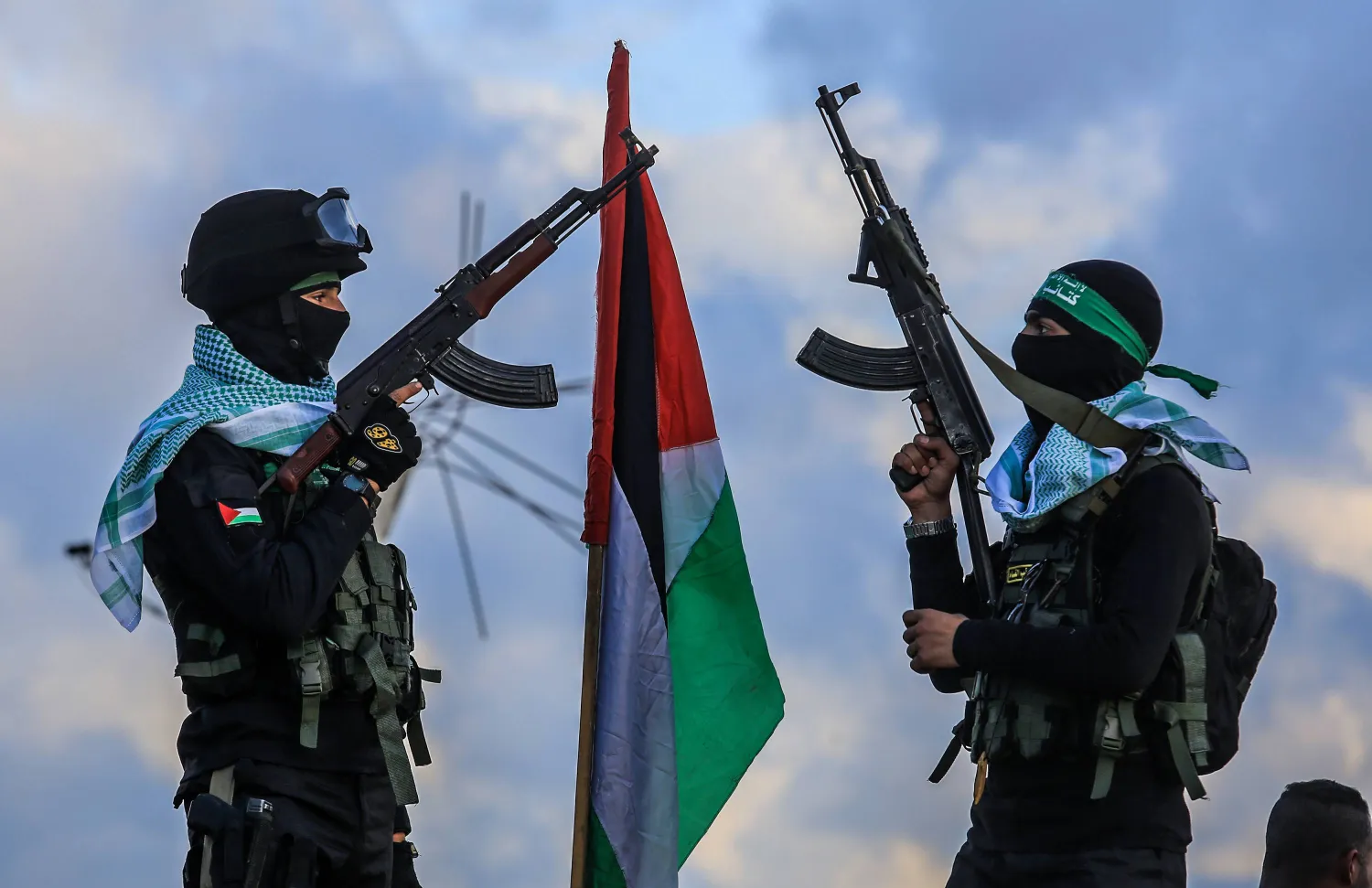
In a rare public appeal, Hamas said Iran should not strike neighboring countries and called on regional governments and international organizations to work immediately to stop the war. Reuters reported the statement was the first time Hamas had publicly commented on Iranian policy during the conflict, even as the movement continued to voice solidarity with Tehran.
Why Hamas urges Iran now
The concern is no longer abstract. Qatar said this week it wants to strengthen its security partnership with the United States after Iranian strikes. The UAE has said Iran must halt attacks on neighbors before diplomacy can move forward. Turkey, which had tried to mediate before the war, said NATO defenses destroyed an Iranian missile headed into Turkish airspace. A broader Associated Press overview of the war’s first phase also showed how quickly the fighting moved beyond Iran and Israel after the first strikes at the end of February.
That backdrop helps explain why Hamas chose a formula that was both supportive and cautionary. The group did not challenge Tehran’s right to retaliate, but it did make clear that attacks on nearby states risk deepening the crisis for countries that have hosted U.S. forces, pursued mediation or tried to avoid direct entry into the war.
How Hamas and Iran reached this moment
The relationship behind the statement has been shaped by years of rupture, repair and recalibration. After a break over Syria, Hamas said in 2017 that it had restored ties with Tehran and again saw Iran as a major backer. Days after the Oct. 7, 2023, attack on Israel, Hamas and Iranian officials said they would continue cooperation. But Reuters later reported that Iran’s supreme leader told Hamas Tehran would not enter the war on its behalf, a reminder that even close allies have drawn limits when the risk of a wider regional conflict rises.
Saturday’s appeal fits that pattern. Hamas did not distance itself from Iran, and it did not soften its rhetoric toward the United States or Israel. What it did do was try to draw a geographic line around the war, signaling that even within Tehran’s network of partners there is concern about the cost of bringing more neighboring states directly into the fight.