

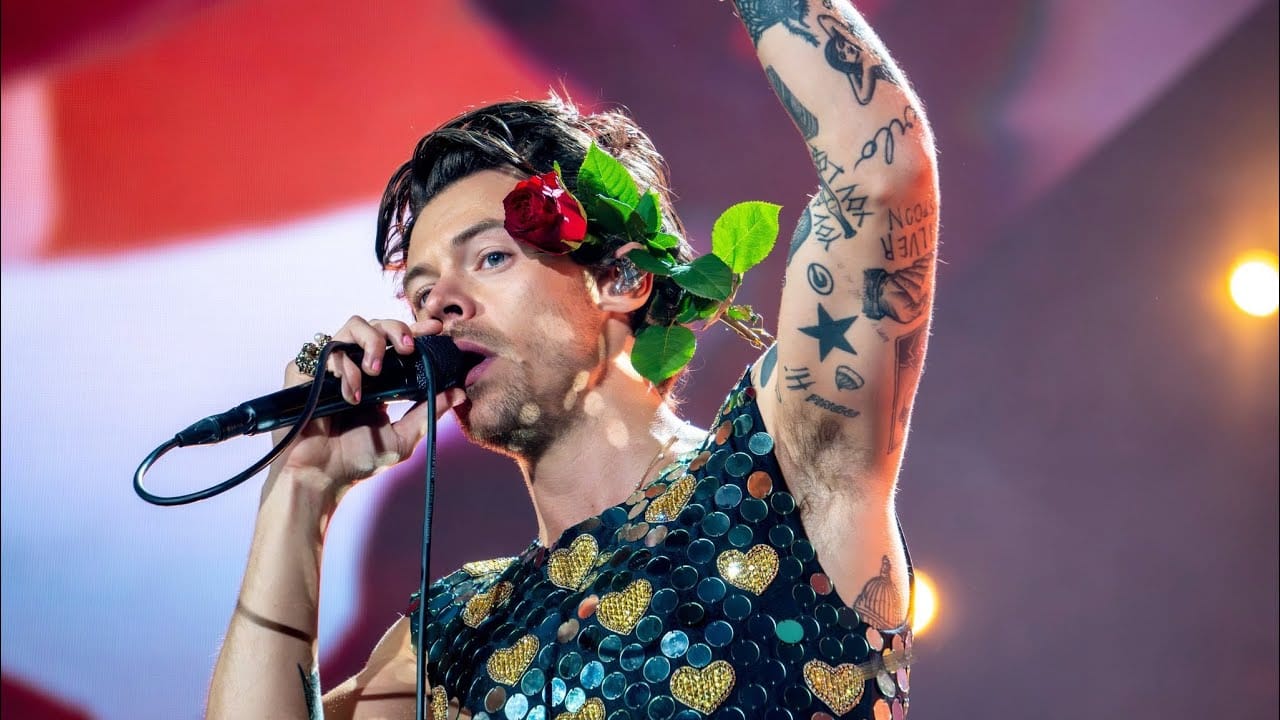
Harry Styles Amsterdam Tour Redefines Concert Street Fashion Culture
The Harry Styles Amsterdam Tour stop highlighted how live music events have evolved into full-scale fashion moments. Much of Styles’ influence traces back to his “Love on Tour” era, which became a global phenomenon and reshaped modern concert aesthetics, as documented in the tour’s historical overview on its official record. In Amsterdam, fans leaned heavily into expressive styling—pearls, metallic fabrics, and DIY couture pieces—echoing Styles’ own red-carpet appearances and stage outfits that have frequently been analyzed by fashion media.
Fashion observers noted that the Amsterdam crowd mirrored a broader trend seen across Styles’ European performances: fans dressing not just for comfort, but for visual storytelling. This shift aligns with commentary from entertainment analysts tracking his career evolution, including his mainstream pop reinvention and genre-blending artistry as explored by cultural critics.
Global Tour Legacy Shapes Amsterdam’s Creative Expression
The Amsterdam concert fits into a larger legacy of Harry Styles’ worldwide performances, which have consistently merged music with visual identity. Industry coverage of his career trajectory has emphasized his growing influence across both pop music and fashion ecosystems, particularly through his ability to blur traditional gender norms in style as documented in music industry archives.
Similar fan-driven fashion spectacles have been observed throughout previous tour stops in cities like London, Paris, and New York, where audiences embraced themes of individuality and self-expression. This continuity suggests that the Amsterdam event was not isolated, but part of a larger cultural wave driven by Styles’ performances and aesthetic direction.
Street Style Becomes the Main Event in Amsterdam
Outside the venue, photographers captured thousands of fans turning sidewalks into spontaneous runways. Outfits ranged from vintage glam rock-inspired looks to modern minimalist interpretations of Styles’ signature aesthetic. The phenomenon reflects a growing intersection between celebrity influence and everyday fashion culture, frequently highlighted in global fashion reporting, including discussions of Styles’ impact on contemporary style narratives by major fashion publications.
Many attendees said the experience was as much about community and identity as it was about the concert itself. Groups of fans coordinated outfits in advance, sharing inspiration through social platforms and reflecting a shared cultural language shaped by Styles’ visual branding.
Conclusion: Amsterdam Solidifies a Global Fashion-Music Movement
The Harry Styles Amsterdam Tour stop underscored the enduring fusion of music and fashion in modern pop culture. As Amsterdam’s streets filled with color, creativity, and collective energy, the event reinforced Harry Styles’ position as both a musical and stylistic influence shaping global fan expression. With each tour stop, the phenomenon continues to expand, leaving behind not just musical memories but visual statements that define a generation of concert-going culture.


