NEW YORK — High-protein snacks are drawing fresh scrutiny as shoppers pay premium prices for bars, chips, shakes and cookies that often promise more nutrition than they deliver, nutrition experts say, May 4, 2026. The renewed attention comes as protein-focused foods move deeper into mainstream grocery aisles, forcing consumers to separate useful convenience from expensive marketing.
The appeal is easy to understand. Protein can help with fullness, muscle maintenance and recovery after exercise, and many people want grab-and-go foods that fit busy schedules. But experts say the label “high protein” should not automatically make a snack look healthy.
High-protein snacks are booming, but not all are worth the price
The category has become a major business. A recent protein snacks market report estimated the global market was valued at $54.86 billion in 2025 and projected continued growth through 2034. That growth has brought more options, but also more products that use protein claims to justify higher prices.
Nutrition experts say consumers should start with a basic question: Is the snack solving a real need? For someone who missed a meal, lifts weights, is older, or struggles to get enough protein, a higher-protein snack may help. For someone already eating enough protein at meals, the extra grams may offer little benefit.
The U.S. Food and Drug Administration lists 50 grams as the Daily Value for protein on nutrition labels, based on a 2,000-calorie diet, according to its Daily Value reference guide. Individual needs vary by body size, age, activity level and health status.
Experts warn protein claims can hide sugar, sodium and processing
One reason for the scrutiny is that many protein bars and packaged snacks are highly processed. Tufts University nutrition experts recently warned that protein bars can be convenient but are often ultra-processed and may contain added sugars, sugar alcohols, refined oils or long ingredient lists, according to Tufts Now’s review of protein bars.
That does not mean every packaged protein snack is a poor choice. But experts say the front of the package is the least reliable place to judge it. A better approach is to turn the package over and compare protein with calories, added sugar, fiber, saturated fat and sodium.
The American Heart Association says adults generally need about 0.8 grams of protein per kilogram of body weight per day, while noting protein should usually make up 10% to 35% of daily calories, according to its guide on protein and heart health. That means a snack with 20 grams of protein is not automatically better than one with 8 to 12 grams, especially if it is also high in added sugar or saturated fat.
Older warnings show the hype is not new
The debate has been building for years. In 2010, the CDC’s National Center for Health Statistics reported that American adults were already consuming more protein than recommended, with men averaging 101.9 grams and women averaging 70.1 grams per day in 2005-2006 survey data, according to an older CDC protein intake analysis.
Harvard Health raised similar concerns in 2015, asking whether some bars were essentially candy bars with a health halo in an article on protein bars and candy-bar comparisons. The warning remains relevant because many current products still compete on flavor, sweetness and indulgent branding while leaning on protein as the selling point.
Research has also long noted that the standard adult Recommended Dietary Allowance for protein is 0.8 grams per kilogram of body weight, as discussed in a 2017 review on optimizing protein intake in adults. That older context matters because today’s snack boom often suggests protein deficiency is common, even when many adults already meet baseline needs.
How to choose smarter high-protein snacks
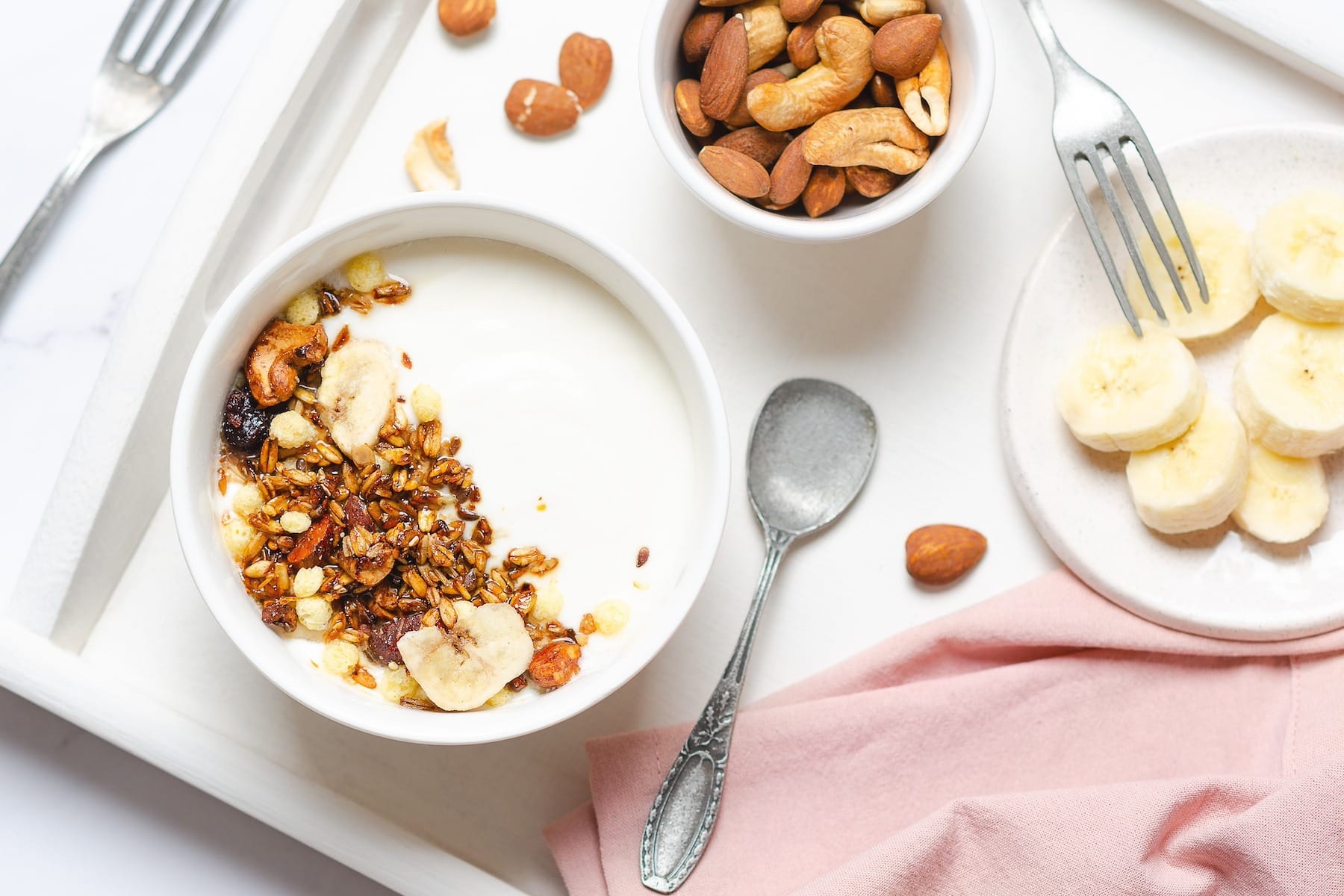
Experts say the best choices usually pair protein with fiber, healthy fats or whole-food ingredients. Harvard Health recommends options such as Greek yogurt, cottage cheese, edamame, nuts, nut butter, hummus, eggs and tuna as practical choices in its guide to high-protein snacks for fullness and muscle support.
A useful rule is to look for balance. A snack with 10 to 20 grams of protein, a short ingredient list, little added sugar and some fiber is usually a stronger choice than a product with more protein but more sweeteners, additives and calories than a small meal.
Consumers should also calculate cost per serving. A boiled egg, yogurt cup, roasted chickpeas, cottage cheese, tuna packet or peanut butter on whole-grain toast may deliver protein at a lower price than a heavily marketed bar. For families buying snacks every week, that difference can add up quickly.
What shoppers should watch on labels
The strongest warning sign is a product that depends on protein marketing while looking weak elsewhere on the Nutrition Facts label. High added sugar, high saturated fat, low fiber and a long list of refined ingredients can undermine the benefit of the added protein.
Shoppers should also be cautious with snacks that appear healthy because they include words such as “fit,” “clean,” “keto,” “energy,” “plant-based” or “performance.” Those terms do not guarantee a better product. A plant-based protein cookie, for example, can still be a cookie.
The most practical strategy is to use protein snacks selectively. They can help after workouts, during travel, between long shifts or when a meal is delayed. But they should not replace a steady pattern of meals built around vegetables, fruits, whole grains, dairy or fortified alternatives, beans, nuts, seeds, eggs, seafood and lean meats.
The bottom line: High-protein snacks can be useful, but the smartest buy is rarely the loudest package. Consumers who compare labels, question the price and choose mostly whole-food options can get the benefits of protein without paying for hype.