

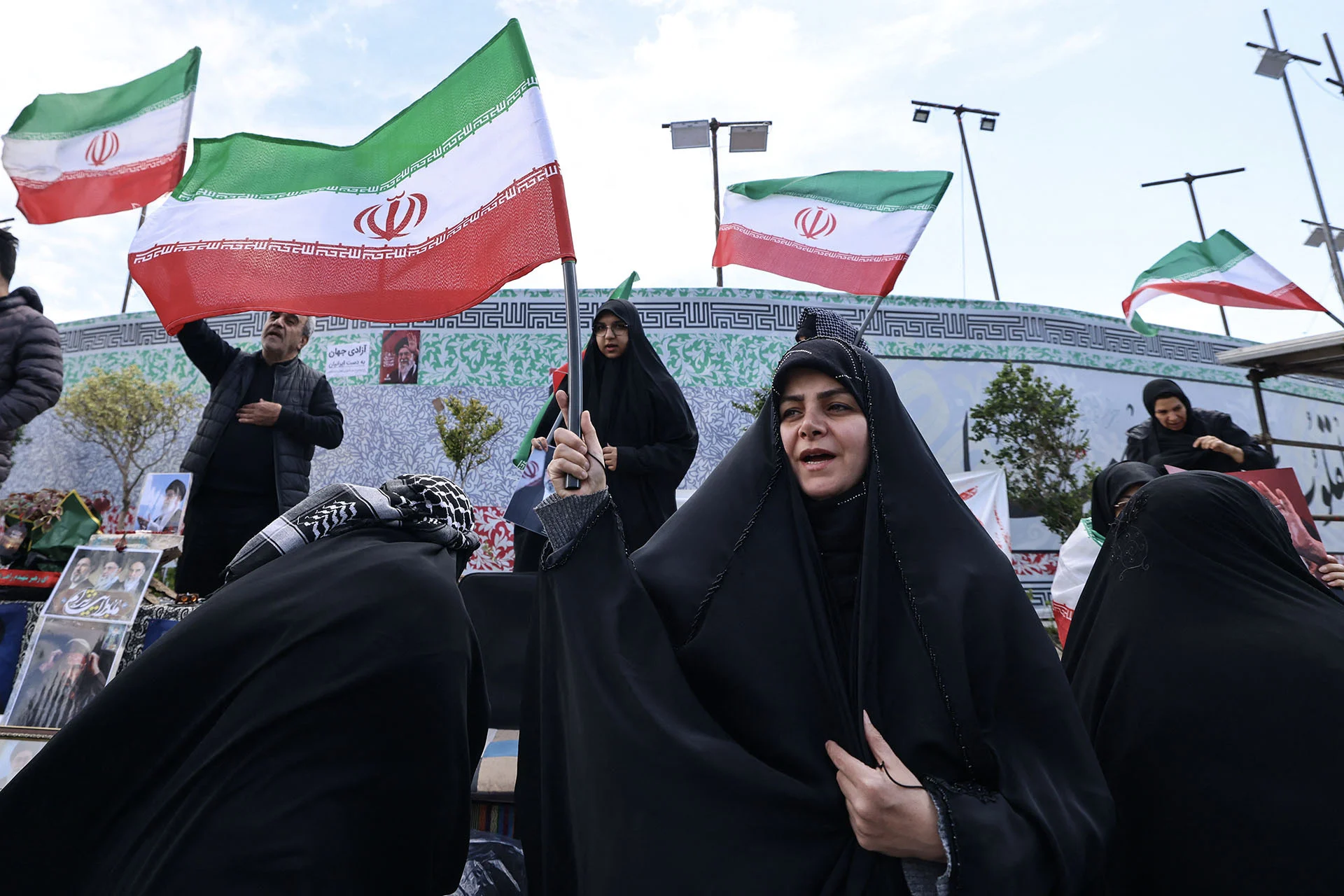
WASHINGTON — President Donald Trump said Friday that a broader settlement could be close, but the current truce hit a central obstacle when Tehran rejected his claim that Iran would hand over enriched uranium to the United States, Friday, April 17, 2026.
The disagreement matters because control of Iran’s enriched uranium stockpile is not a side issue. It is the clearest test of whether the ceasefire can become a durable agreement, with Washington seeking a visible nuclear concession and Tehran signaling that surrendering that material would cross a red line.
Trump had already begun projecting momentum a day earlier, saying Iran had agreed to almost everything and that he might go to Islamabad if a deal is signed there. By Friday, he went further, telling Reuters that the stockpile could be recovered and eventually returned to the United States as part of a settlement.
Tehran, however, was sending the opposite signal. A senior Iranian official said significant differences remain, especially on nuclear issues, while Iranian Foreign Ministry spokesperson Esmaeil Baghaei said the uranium would not be transferred anywhere. The stockpile at issue is substantial, with Reuters reporting that Iran is believed to hold more than 900 pounds of uranium enriched up to 60% purity.
Trump has also made clear that diplomacy is still being backed by pressure. He said the U.S. naval blockade on Iran would remain in force until a final agreement is reached, underscoring that Washington is trying to convert a battlefield pause into a negotiated outcome without giving up leverage.
Why the Iran ceasefire still looks fragile
The truce is also tied to the Lebanon front, which remains a major variable in any broader settlement. AP has reported that the Lebanon truce is central to ending the wider Iran war, but Hezbollah has not formally signed onto the arrangement and Israel has said it is not finished militarily. That leaves negotiators trying to stabilize several connected fronts at once.
How the standoff developed
This latest impasse did not appear overnight. On April 6, Iran rejected an earlier temporary ceasefire framework and demanded a more lasting end to hostilities. A day later, the two sides agreed to a two-week ceasefire that reopened diplomatic space. But after Pakistan-hosted talks failed to produce a breakthrough, Washington escalated again with a blockade warning on April 12, showing how quickly the process can swing from negotiation back to coercion.
That is why the uranium dispute now looks like the most important hurdle in the talks. Trump is selling progress in public, but Tehran is still rejecting the most politically important concession Washington says it wants. Until that contradiction is resolved, the Iran ceasefire looks less like a settled peace and more like a pause under heavy pressure.


