

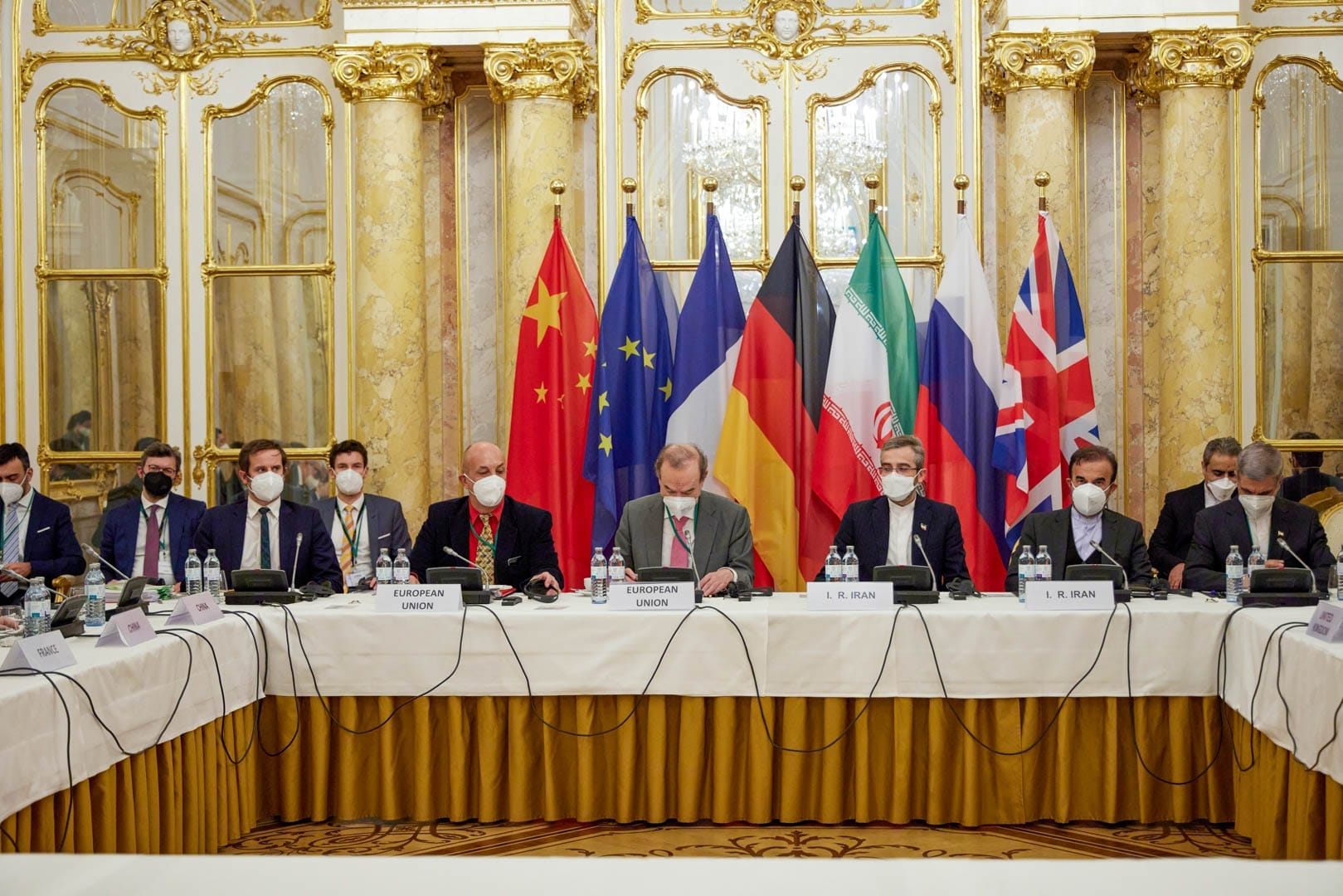
WASHINGTON — Negotiations over a possible Iran nuclear deal hit a fresh roadblock Friday after Tehran rejected President Donald Trump’s claim that Iran had agreed to send enriched uranium to the United States, reopening a core dispute between Washington and Tehran, April 17, 2026. The clash matters because the fate of Iran’s stockpile has become the clearest test of whether the latest ceasefire-linked diplomacy can move beyond public claims and into a workable agreement.
Trump told Reuters on Friday that the United States would work with Iran to recover and remove the material, saying it would eventually be brought to the United States. Tehran answered within hours. Iranian Foreign Ministry spokesperson Esmaeil Baghaei said the stockpile would not be transferred anywhere, directly contradicting both Trump and an April 8 White House claim that Iran had signaled a willingness to turn over enriched uranium.
Why the Iran nuclear deal is stalled again
The uranium dispute is only one part of a wider deadlock. Reuters has reported that the current talks have narrowed toward a temporary memorandum rather than a full settlement, with the two sides still divided over what happens to Iran’s highly enriched uranium, how long any halt in enrichment would last and whether Tehran’s right to civilian enrichment would be formally acknowledged.
That gap remains wide. On Friday, a senior Iranian official said significant differences remain and that no agreement has been reached on the details of the nuclear issues. Tehran is also seeking a timetable for lifting sanctions and broader compensation, while U.S. demands have centered on tighter nuclear restrictions and removal of the most sensitive material.
The verification problem may be even harder to solve than the political one. In a February report, the International Atomic Energy Agency said it could not verify the current size, composition or whereabouts of Iran’s enriched uranium stockpile at affected facilities. The watchdog said Iran had accumulated 440.9 kilograms of uranium enriched up to 60% before the June 2025 attacks, but that months without access had created a major gap in oversight.
How the current crisis built over time
This latest standoff sits on top of a much longer breakdown. The original 2015 nuclear deal imposed limits on Iran’s nuclear work in exchange for sanctions relief, creating a framework that took years to negotiate. That framework began to unravel when Trump withdrew the United States from the agreement in 2018 and restored sanctions, a move that deepened mistrust and left future talks vulnerable to every change in Washington and Tehran.
The technical dispute also worsened after Iran announced in 2021 that it would start enriching uranium to 60%, taking its program far beyond the 3.67% ceiling in the original accord. Since then, every round of diplomacy has had to deal not only with sanctions and inspections, but with a far larger stockpile, more advanced enrichment and less trust on both sides.
For now, that history is colliding with the politics of the present. Public optimism from Washington may help keep talks alive, but Tehran’s flat rejection of the uranium transfer claim shows the two sides are still describing very different endgames. Unless negotiators can bridge the gap on where the uranium goes, who verifies it and how sanctions relief is sequenced, the latest push for an Iran nuclear deal is likely to remain stuck at the level of rhetoric rather than resolution.


