

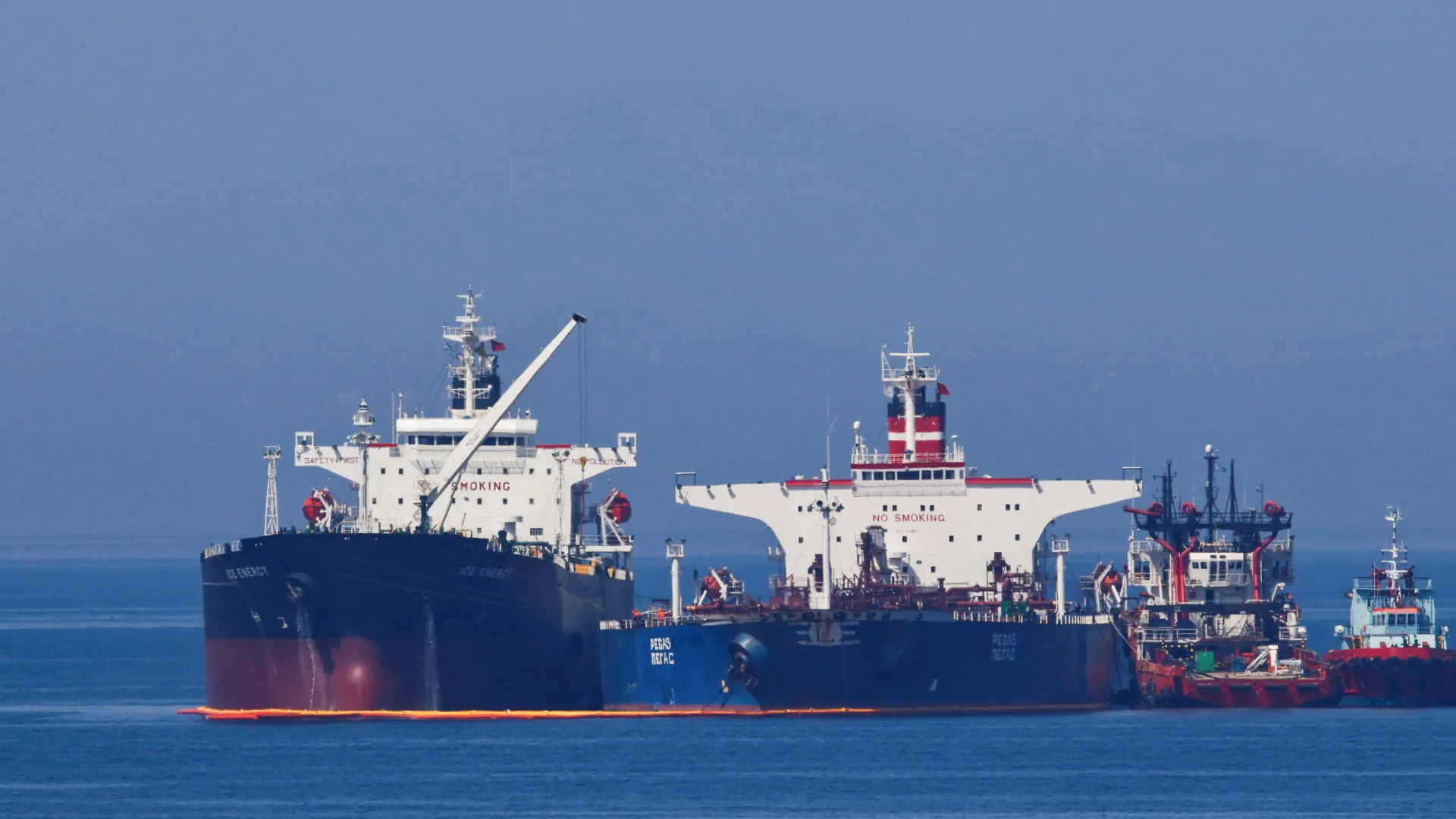
WASHINGTON — U.S. naval forces intercepted multiple Iran oil tankers in Asian waters amid escalating sanctions enforcement, pushing global crude prices above $100 per barrel, April 23, 2026. Officials said the operations were part of expanded maritime monitoring aimed at curbing illicit oil shipments and tightening pressure on Tehran’s export network.
The interceptions mark one of the most aggressive U.S. actions against Iranian energy flows in recent years, raising concerns about supply disruptions and further volatility in global energy markets.
Iran oil tankers targeted in widening enforcement push
According to defense and shipping officials, several Iran-linked vessels were stopped or redirected in key transit routes across Southeast Asian waters, including areas near the Strait of Malacca. Authorities believe the ships were engaged in sanction-evading practices such as ship-to-ship transfers and falsified tracking data.
Analysts say the move signals a shift from passive monitoring to active interdiction. The U.S. has increasingly focused on maritime enforcement as Iranian exports rebounded despite sanctions.
Global benchmark Brent crude surged past $100 per barrel following the reports, with traders reacting to potential supply constraints. Energy markets have already been under strain due to geopolitical tensions and tightening inventories.
Market data cited by Reuters on rising oil prices amid geopolitical tensions showed Brent climbing sharply in early trading, reflecting fears of further disruptions.
Strategic chokepoints amplify market reaction
The intercepted routes are among the world’s busiest oil transit corridors, making any disruption highly sensitive. Experts note that even limited enforcement actions can have outsized effects on pricing.
A recent analysis from Bloomberg on Asian oil shipping routes highlighted the vulnerability of these corridors to geopolitical interference, particularly when enforcement intersects with high-volume trade flows.
U.S. officials did not disclose the exact number of vessels involved but confirmed coordination with regional partners. The operations are believed to be part of a broader crackdown on what Washington describes as “shadow fleet” activities.
Historical context of Iran oil tanker enforcement
The latest interceptions follow years of fluctuating enforcement intensity. In 2019, the seizure of the Grace 1 tanker by British forces marked a major escalation in efforts to block Iranian shipments.
Similarly, a 2022 report by Financial Times on Iran oil exports documented how Tehran adapted by expanding covert shipping networks, allowing exports to continue despite restrictions.
More recently, enforcement has tightened again. A 2023 investigation from Reuters on U.S. seizure of Iranian oil cargo showed authorities directly confiscating shipments tied to sanction violations, signaling a more assertive approach.
Iran’s export resilience under pressure
Despite repeated crackdowns, Iran has maintained significant export volumes through alternative channels, including discounted sales to Asian buyers. Analysts say the latest interceptions could disrupt these flows if sustained.
Shipping intelligence firms report increased use of aging tankers operating under opaque ownership structures. These vessels often disable tracking systems, complicating enforcement efforts.
However, sustained U.S. intervention may force rerouting or reduce shipment frequency, tightening supply in already fragile markets.
Global implications as oil prices climb
The surge in Brent prices above $100 underscores the broader impact of the interceptions. Higher energy costs could feed inflation pressures globally, particularly in import-dependent economies.
Energy economists warn that prolonged disruptions involving Iran oil tankers could exacerbate supply shortages, especially if combined with other geopolitical risks.
While U.S. officials frame the actions as necessary enforcement, market participants are bracing for continued volatility. Traders are closely monitoring whether the interceptions represent a one-time operation or the beginning of a sustained campaign.
As enforcement intensifies, the balance between geopolitical strategy and market stability remains uncertain, with Iran oil tankers once again at the center of global energy tensions.


