

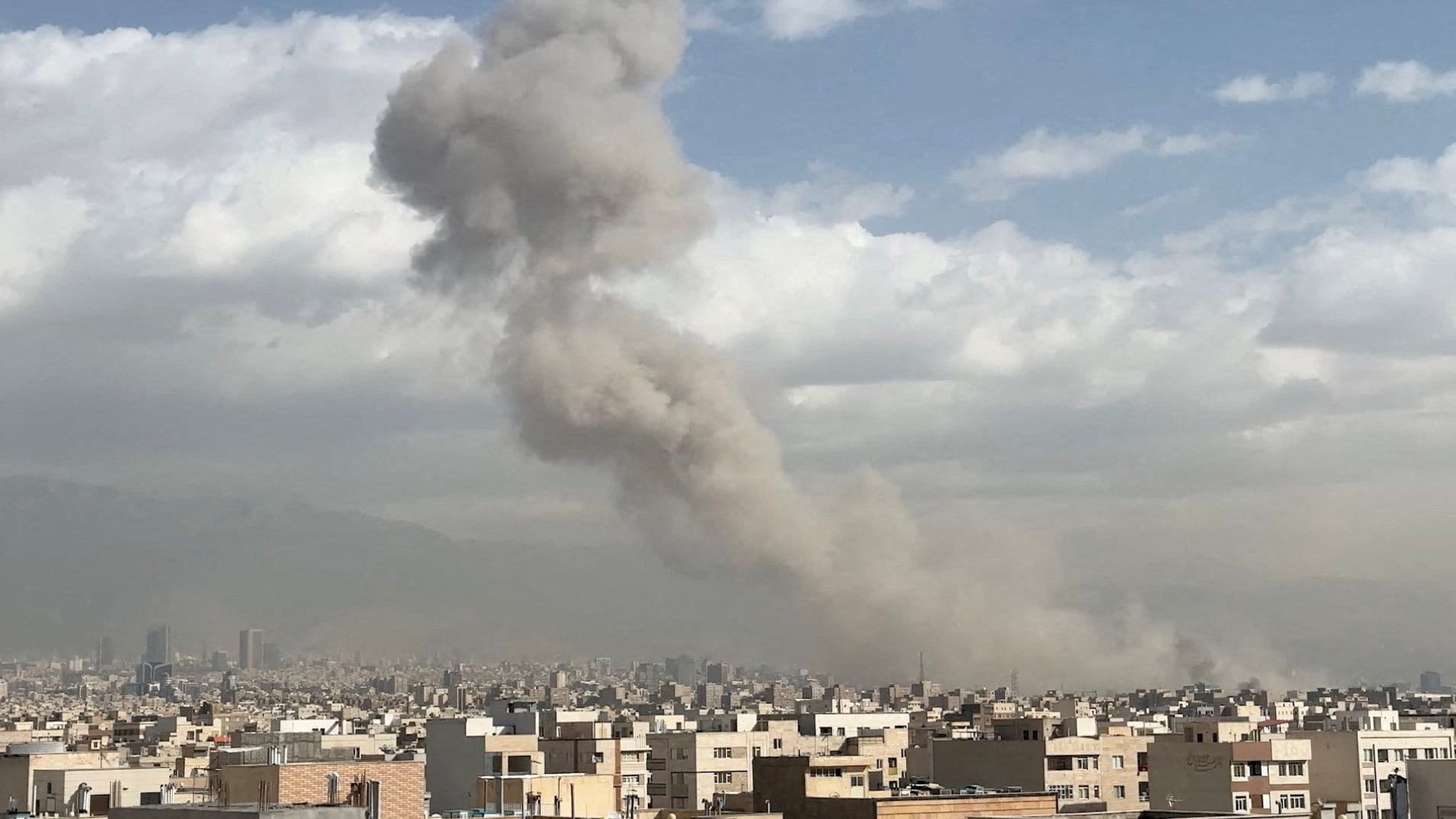
TEHRAN, Iran — The Iran-US Conflict intensified over the weekend after the United States launched strikes on Iranian military infrastructure and Tehran responded with retaliatory attacks targeting U.S. interests in the Gulf region, raising fears that a fragile ceasefire could collapse despite ongoing diplomatic negotiations.
U.S. Central Command said American forces struck radar installations and drone command-and-control facilities in Goruk and on Qeshm Island after Iran allegedly shot down a U.S. MQ-1 drone operating over international waters. Iranian officials later confirmed retaliatory military action, including reported attacks against a U.S. military facility in the Gulf. The latest exchange marks one of the most serious escalations since the April ceasefire that temporarily halted months of regional warfare.
Iran-US Conflict pushes peace negotiations to the brink
Officials from both countries have continued indirect talks aimed at formalizing a broader peace agreement, but the latest military actions have cast uncertainty over the process. Negotiators remain divided on sanctions relief, frozen Iranian assets and long-term security guarantees in the Persian Gulf and Strait of Hormuz.
According to Reuters reporting on the U.S. strikes, American military officials described the operation as a defensive response to what they called aggressive Iranian actions against U.S. surveillance assets.
Meanwhile, Tehran has warned that additional attacks could follow if military pressure continues. Iranian military leaders stated that their forces remain prepared for further confrontation while diplomatic channels remain open.
Regional tensions grow around strategic military sites
The military exchanges have centered on locations near the Strait of Hormuz, a critical maritime corridor through which a significant share of the world’s oil shipments pass. Security analysts warn that repeated attacks in the area could disrupt global energy markets and increase risks for commercial shipping.
European and Gulf governments have closely monitored developments as concerns mount over a wider regional conflict. Recent reports indicate that both sides have increased military readiness while publicly maintaining support for negotiations.
Coverage from Al Jazeera’s conflict explainer noted that Washington and Tehran continue exchanging military pressure even as diplomatic efforts seek to preserve the ceasefire framework established earlier this year.
Military rebuilding adds new pressure
Satellite imagery and intelligence assessments suggest Iran has accelerated efforts to restore damaged missile infrastructure following earlier rounds of U.S. and Israeli strikes. Analysts believe the reconstruction effort could strengthen Tehran’s ability to sustain future military operations if negotiations fail.
Evidence detailed in recent reporting on underground missile facility repairs indicates that several previously damaged launch sites have returned to operational status during the ceasefire period.
How the current Iran-US Conflict evolved
The latest escalation follows months of intermittent military exchanges and diplomatic maneuvering. In late May, U.S. forces carried out strikes against missile launch sites and naval assets in southern Iran, actions Washington described as necessary to protect regional forces and shipping lanes.
Those earlier developments were detailed in a Euronews report on U.S. operations near the Strait of Hormuz, where tensions were already threatening ceasefire negotiations.
The crisis itself traces back even further. In February, coordinated U.S. and Israeli military operations against Iranian targets triggered a wider regional confrontation that reshaped Middle East security dynamics. Subsequent diplomatic initiatives sought to prevent a broader war while preserving freedom of navigation through key shipping routes.
Negotiations continued despite fresh military exchanges, as highlighted in The Guardian’s analysis of ongoing peace discussions, which reported that both sides remained engaged even after earlier U.S. strikes threatened the ceasefire.
Older developments provide context for today’s crisis
The current standoff reflects a pattern that has unfolded over several months. Following the large-scale military campaign launched in February, regional governments repeatedly attempted mediation efforts to prevent direct confrontation between Washington and Tehran.
Earlier reports from March documented international diplomatic efforts and concerns that continued military escalation could destabilize energy markets and trigger broader security consequences across the Middle East. Those warnings now appear increasingly relevant as both countries exchange strikes while simultaneously pursuing negotiations.
Analysts say the central question remains whether military pressure will force concessions at the negotiating table or instead trigger another cycle of retaliation that overwhelms diplomatic progress.
What happens next?
Despite renewed hostilities, officials from both sides have not formally abandoned peace negotiations. However, the margin for error is narrowing. Additional strikes, miscalculations or attacks involving regional allies could rapidly transform the current crisis into a broader conflict.
For now, military forces across the Gulf remain on heightened alert while diplomats continue working toward a framework agreement. Whether the peace process survives the latest round of violence may determine the future trajectory of the Iran-US conflict and regional stability for months to come.


