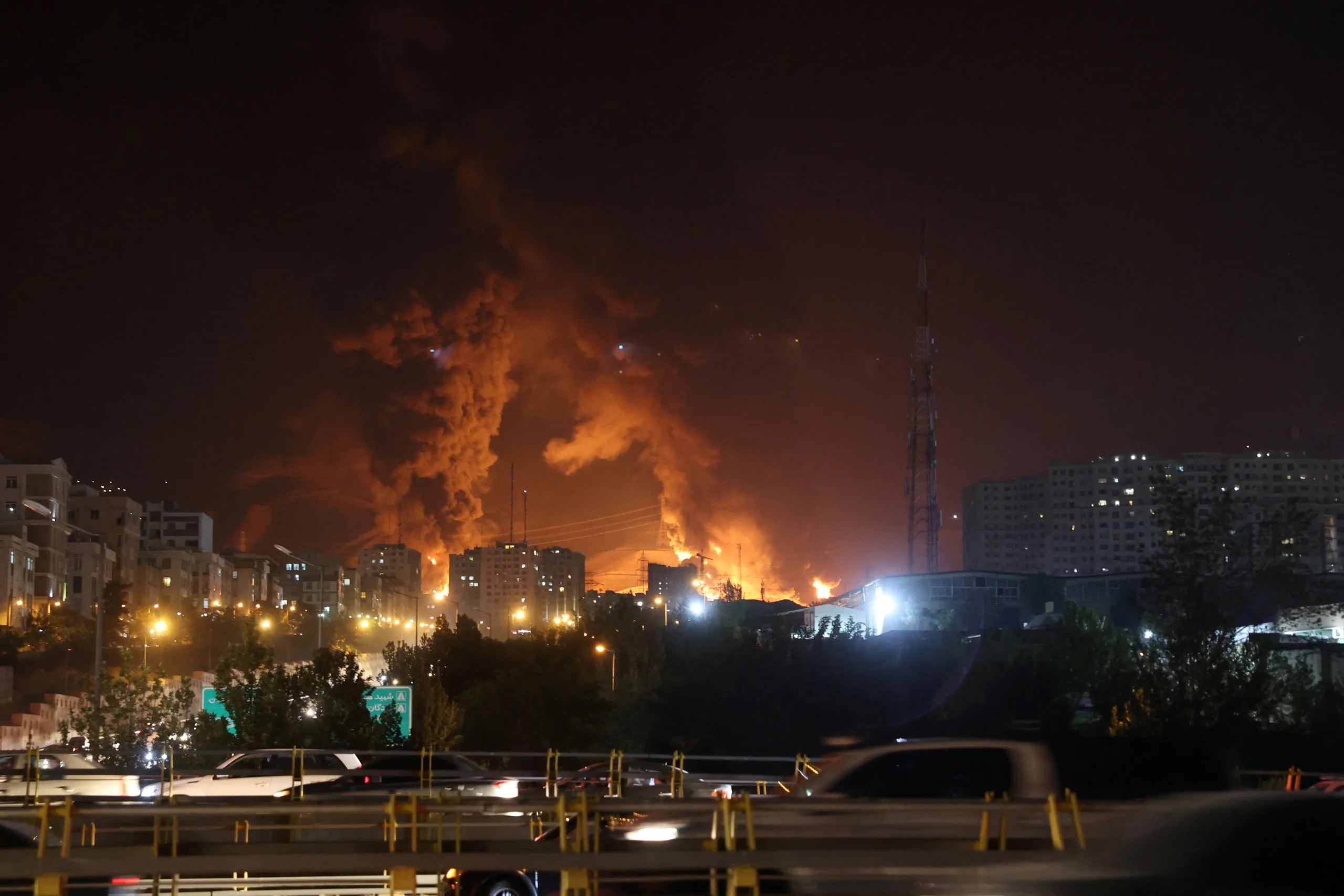
As diplomatic and military tensions flare across the Middle East, Israeli Prime Minister Benjamin Netanyahu has faced an unexpected strategic setback as the United States asserts decisive influence over ceasefire negotiations tied to both the Iran and Lebanon fronts of the conflict.
US‑Brokered Iran Ceasefire and Its Limits
Earlier this month, the United States and Iran agreed on a tentative ceasefire that paused broader hostilities, contingent on Tehran opening the Strait of Hormuz to commercial shipping and halting direct attacks on U.S. forces. This move marked a rare diplomatic opening in the prolonged Iran–Israel conflict, a decades‑long geopolitical struggle dating back to post‑revolution tensions in 1979. However, experts immediately warned that unresolved issues, including nuclear concerns and Lebanon’s inclusion in the ceasefire framework, could undermine the truce.
Israel publicly welcomed the Iran ceasefire in principle but declared that the pact “does not include Lebanon,” a critical caveat that reflects deep disagreements with the broader U.S. diplomatic strategy. Israeli officials argued that operations against Hezbollah in southern Lebanon—an Iran‑aligned proxy—would continue independently of the Iran deal.
Israel–Lebanon Front Disrupts U.S. Strategy
The ceasefire tensions were further complicated by renewed combat between Israeli forces and Hezbollah. A U.S.‑brokered temporary cessation of hostilities between Israel and Lebanon began on April 16 as a 10‑day truce, aimed at paving the way for extended negotiations and ending one of the most volatile theaters linked to the wider conflict. Despite the truce’s implementation, Israeli strikes have persisted amid claims from Hezbollah of ongoing clashes and mistrust on both sides. :contentReference[oaicite:0]{index=0}
Washington then pushed for a three‑week extension of the ceasefire, underscoring the Biden administration’s increased role in shaping battlefield pauses and diplomatic engagement. Yet Netanyahu’s insistence on continued military freedom in Lebanon has placed him at odds with core facets of the U.S. peace push. In essence, Netanyahu faces U.S. pressure to align with a more restrained approach if broader ceasefire goals are to hold.
Political Fallout and Strategic Setbacks for Netanyahu
Netanyahu’s public stance has drawn wide criticism from both domestic and international observers. Israeli opposition leaders argue that Netanyahu was sidelined in key diplomatic negotiations and that the U.S. dictated terms without sufficient Israeli input. This sentiment reflects fears that the current approach may weaken Israel’s long‑term security posture and dilute Netanyahu’s foreign policy leverage.
Furthermore, international scrutiny over Israel’s campaign in Lebanon has grown, with U.N. human rights officials warning both sides may have violated humanitarian law amid heavy civilian casualties and displacement. This has bolstered calls in Washington and Europe for greater restraint and for incorporating Lebanon more fully into ceasefire talks—an outcome Netanyahu has resisted up to this point.
Continuity of Conflict and Ongoing Diplomatic Questions
The recent ceasefire episodes build on a long continuum of conflict dynamics in the region. Analysts point to earlier failed attempts to reconcile Israeli security aims with broader diplomatic objectives, including U.S. efforts to mediate regional ceasefires that increasingly factor in concerns about Iran’s nuclear ambitions, Tehran’s regional network of proxies, and the stability of neighboring states.
U.S. officials, meanwhile, emphasize that enduring peace requires tackling all fronts of the conflict, from diplomacy with Iran to negotiations with Lebanon that include Hezbollah’s role. Washington’s leverage on economic sanctions and naval control of strategic chokepoints like the Hormuz Strait has been central to these efforts, signaling a more assertive U.S. role in directing negotiations than in past crises.
Regional Implications and Next Steps
For Netanyahu, the current phase of the Israel US conflict represents a notable setback. The U.S.’s insistence on inclusive ceasefire terms—while seeking diplomatic openings with Tehran and broader regional actors—has constrained Israel’s ability to independently pursue military objectives. Whether Jerusalem recalibrates its position to align with Washington’s evolving strategy will be a key determinant of how effectively the ceasefire holds and what form future negotiations take.
As negotiations continue and the three‑week extension plays out, both Israel and the United States face mounting pressure to balance military concerns with diplomatic imperatives—a challenging task with far‑reaching consequences for Middle East stability.
Sources: