
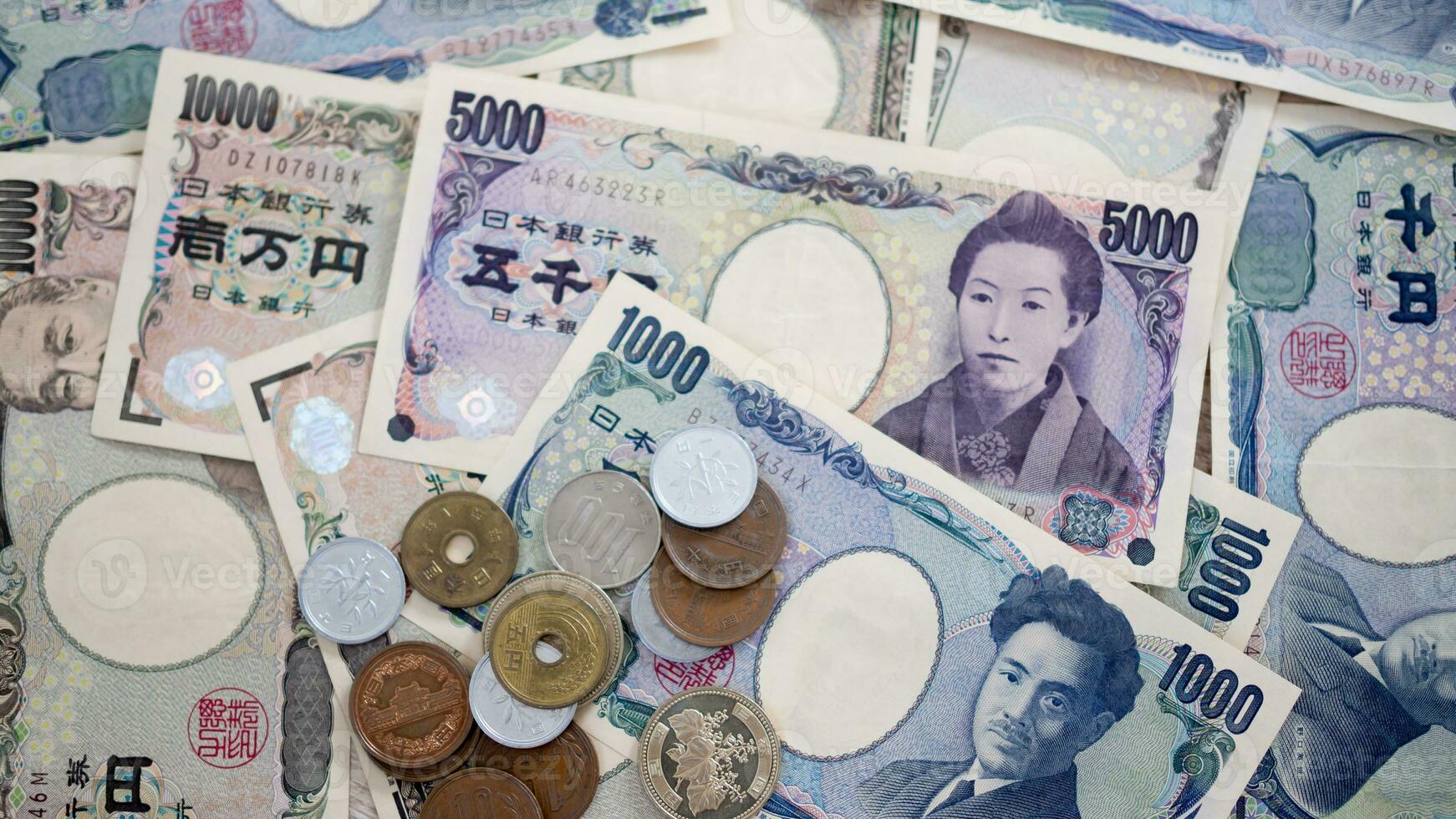
TOKYO — The Japanese yen steadied near an 18-month low in early Asian trading Thursday as investors weighed Prime Minister Sanae Takaichi’s push for a snap election and the government’s escalating warnings about currency intervention. Traders said election-driven fiscal jitters and a still-wide U.S.-Japan rate gap kept the Japanese yen vulnerable even after officials vowed to act against “one-sided” moves, Jan. 15, 2026.
Japanese yen steadies near 18-month low
The currency held around 158.63 per dollar after briefly touching 159.45, its weakest level since July 2024, according to a Reuters market report. The Japanese yen has fallen nearly 5 percent since Takaichi took office in October, investors said, as speculation builds that an election campaign could tilt policy toward more spending.
Takaichi is expected to dissolve the lower house Jan. 23, setting up an election for all 465 seats and a campaign of roughly two weeks, with details to be announced Monday, according to a Reuters explainer on the snap vote. The same report cited an NHK poll showing 62 percent support for Takaichi, a political tailwind that markets say could come with heavier fiscal promises — and more pressure on the Japanese yen and Japanese government bonds.
Intervention risks intensify for the Japanese yen
Finance Minister Satsuki Katayama said Japan would take “appropriate action” against excessive moves “without excluding any options” after the yen neared 160 per dollar, a level many traders see as a political pain point, according to Reuters coverage of her remarks. Japan’s top currency diplomat, Atsushi Mimura, described the slide as “one-sided and rapid,” repeating language authorities have used in past episodes that preceded intervention.
Intervention would typically mean the finance ministry sells dollars and buys yen, aiming to slow what officials call disorderly moves rather than target a specific exchange rate. In practice, traders watch for sudden, sharp spikes in the Japanese yen during thin liquidity and for a follow-up shift in official messaging that signals whether warnings are turning into action.
Rate path: what the Bank of Japan means for the Japanese yen
Monetary policy remains the bigger lever, but it is moving slowly. The Bank of Japan raised its policy rate last month to around 0.75 percent and said real rates were still expected to be “significantly negative,” according to the central bank’s decision statement from its December meeting. With U.S. rates still far higher, the gap continues to attract carry trades that tend to weigh on the Japanese yen.
Looking beyond January, most economists surveyed by Reuters expect the BOJ to hold steady in January and March and see the next hike most likely in July, with rates reaching at least 1 percent by the end of September, according to a Reuters poll of economists. That timeline matters because election politics could amplify sensitivity around import-driven inflation — a pain point for households — if the Japanese yen weakens further.
Looking back: Japan’s playbook has been to tolerate gradual declines but resist abrupt moves. Tokyo stepped in for the first time in decades in September 2022, as detailed in this Reuters account of the 2022 intervention. Traders also suspected yen-buying operations when the currency broke above 160 in late April 2024, according to Reuters reporting on the 2024 spike, and Japan later disclosed it spent $36.8 billion in July 2024, per official-data coverage from Reuters.
For now, traders say the Japanese yen is likely to stay pinned near levels that keep intervention talk alive, with the next catalyst coming from election announcements and the BOJ’s meeting next week.