

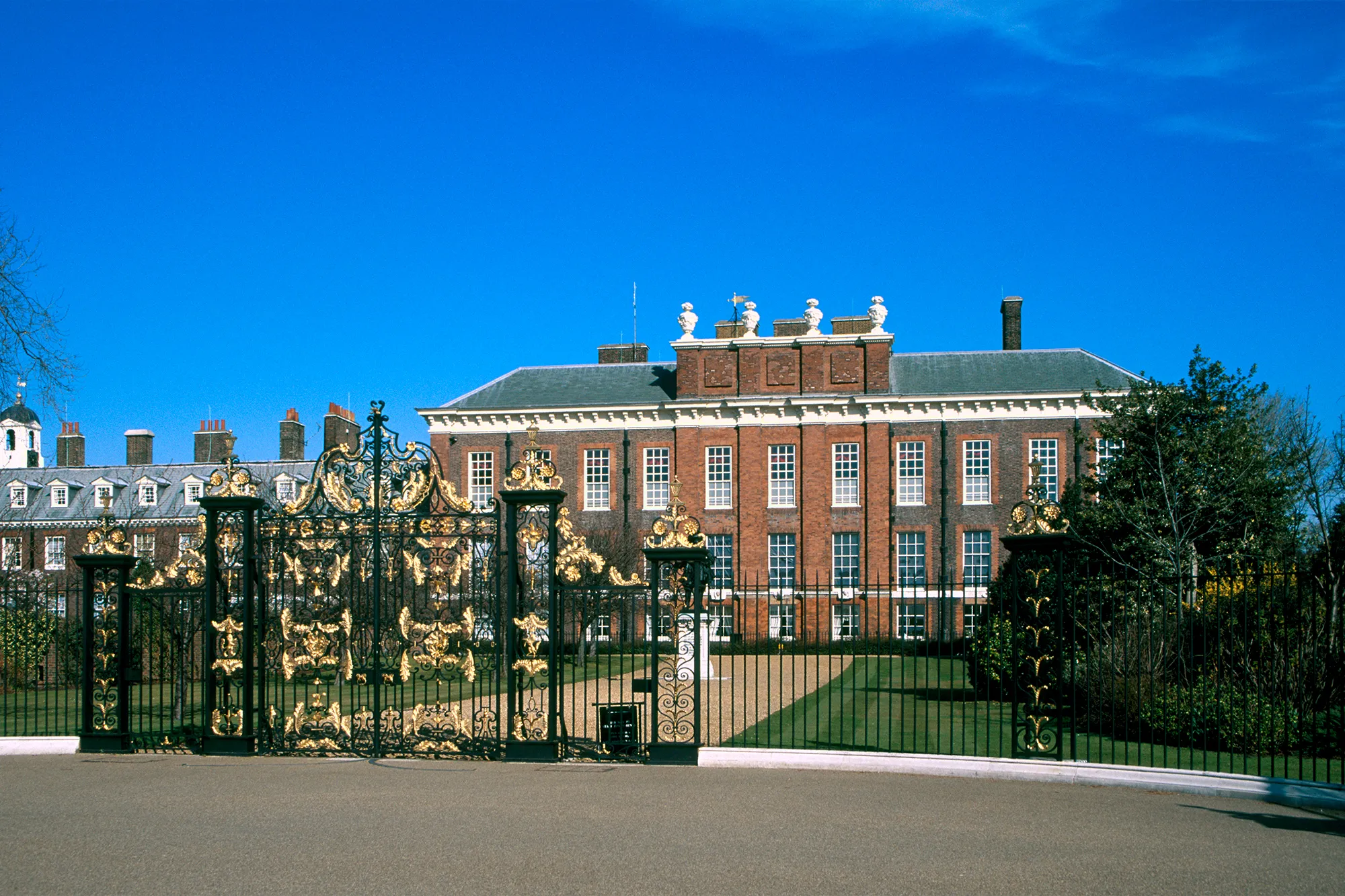
Kensington Palace History and Its Role in Royal Tradition
Kensington Palace has served as a royal residence for centuries and remains one of the most significant working homes of the British monarchy. Once the childhood residence of Queen Victoria, its history is closely tied to royal upbringing, court life, and evolving constitutional monarchy traditions. The palace later became a residence for senior royals and continues to function as both a private home and official working site.
Historically, Kensington Palace has also reflected shifts in royal accessibility and public engagement. Its long association with royal family members has made it a symbolic location in understanding how modern monarchy balances tradition with diplomatic and public roles.
Kensington Palace and U.S. Presidential Royal Visits
While Kensington Palace itself is not typically a primary venue for formal state visits, it sits within a broader network of royal residences that have hosted American presidents in various capacities. U.S. presidential interactions with the British monarchy have largely centered on Buckingham Palace and Windsor Castle, which are more commonly used for official diplomatic ceremonies.
Historical reporting shows that American presidents from Woodrow Wilson to modern leaders have engaged with British royalty through carefully structured visits and state events. According to an overview of presidential-royal relations published by HISTORY.com, the United Kingdom has hosted multiple U.S. presidents in high-level ceremonial settings, reflecting a long-standing “special relationship” between the two nations.
Additional reporting from Sky News highlights how these encounters have ranged from formal banquets to informal personal meetings, underscoring the evolving diplomatic symbolism of royal engagements with American leaders.
Royal Commentary and Invitation Traditions
Royal observers often note that invitation practices vary significantly depending on the purpose of the visit and the residence involved. Kensington Palace, unlike Buckingham Palace, functions primarily as a residential and semi-official working site rather than a primary ceremonial venue.
Analysis of presidential visits compiled by Town & Country shows that major diplomatic engagements are typically reserved for larger royal estates, particularly Windsor Castle and Buckingham Palace, where state protocol can be fully observed.
This distinction has led royal commentators to emphasize that absence from certain residences does not necessarily indicate exclusion, but rather reflects the structured hierarchy of royal venues and their intended purposes.
Why Kensington Palace Remains Symbolically Important
Despite not being a central diplomatic venue, Kensington Palace remains symbolically important in royal history. Its association with Queen Victoria, modern senior royals, and long-standing institutional continuity gives it a unique place within the monarchy’s residential system.
Today, the palace continues to draw public attention not only for its historical significance but also for its role in contemporary royal life. Its presence in discussions about diplomatic tradition highlights how even non-ceremonial royal residences contribute to broader perceptions of monarchy and international relations.
Conclusion
As royal experts continue examining historical patterns of visits and invitations, Kensington Palace stands as a reminder of how royal spaces function differently within Britain’s constitutional framework. While not a primary stage for state diplomacy, its enduring legacy ensures it remains central to understanding the monarchy’s evolution and its relationship with global leaders, including U.S. presidents.


