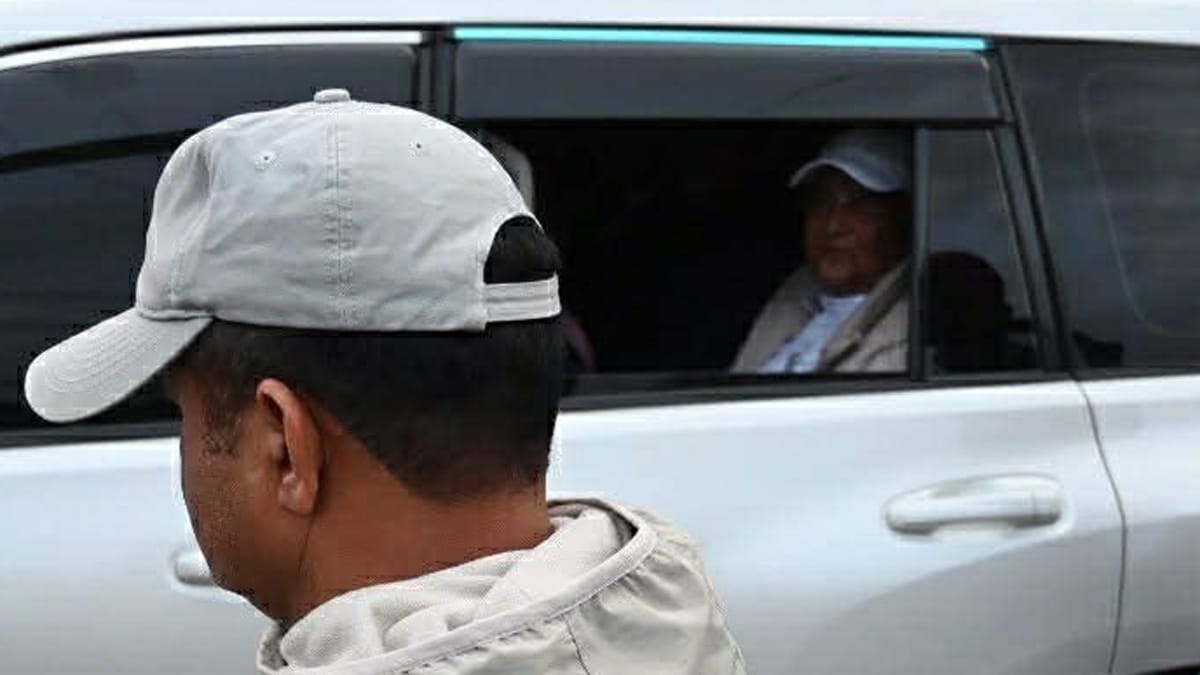
KATHMANDU, Nepal — Former Nepal Prime Minister K.P. Sharma Oli, widely known as KP Sharma Oli, was arrested Saturday as police investigated whether he failed to prevent dozens of deaths during last September’s Gen Z anti-corruption protests. The move came two days after a government inquiry panel recommended prosecution and one day after Balendra Shah took office as prime minister, thrusting Nepal’s still-unresolved protest crackdown back to the center of national politics, March 28, 2026.
Reuters reported that police also detained former Home Minister Ramesh Lekhak and planned to produce both men before court on Sunday. The same report said Oli was later taken to a hospital, while his lawyer argued the detention was “illegal and improper” because there was no risk he would flee or avoid questioning.
A separate Reuters report on the inquiry panel said investigators concluded that Oli failed to act to stop hours of firing that killed at least 19 protesters on the first day of the demonstrations. The panel said 76 people were killed and 2,522 were wounded over two days, and it also recommended prosecution of Lekhak and then police chief Chandra Kuber Khapung, with possible prison terms of up to 10 years if a court later convicts them.
The broad outline of the arrests was also confirmed by The Associated Press, which reported that more than 2,300 people were injured in the unrest and quoted new Home Minister Sudan Gurung as saying the detentions were “not revenge against anyone, it is just the beginning of justice.”
KP Sharma Oli arrested: what the commission found
The arrest does not by itself mean Oli has been convicted or formally sentenced. Legal experts cited in Reuters’ coverage said the panel’s findings were not a charge sheet and that police inquiries still had to move forward before the government could file a case in court. That distinction matters because Oli has already rejected the report as politically motivated, while the Kathmandu Post’s report on the leaked findings showed how quickly pressure for accountability was building even before the new government was sworn in.
Why the crackdown still shapes Nepal politics
The arrests landed just a day after Balendra Shah was sworn in as Nepal’s prime minister after a landslide election that followed the uprising. Shah’s rise reflected the way the Gen Z protests reshaped Nepal’s political map: what began as youth anger over a social media ban, corruption and weak economic prospects turned into a revolt that brought down Oli’s government and accelerated a national election.
That makes Saturday’s arrest more than a legal story. It is also an early test of whether Shah’s administration will pursue accountability against figures from Nepal’s old guard, or whether the case will become another politically explosive investigation that drags on without a final judgment.
How the story developed over time
For readers following the crisis from the beginning, the timeline is unusually stark. Reuters first reported when 19 people were killed on the first day of the Gen Z protests, then explained how the youth-led movement forced Oli from office, and later covered how the interim government set up a panel to investigate the violence. Taken together, those earlier reports show that Saturday’s arrest was not a sudden break, but the latest step in a political and legal reckoning that has been building for months.
What happens next
The next phase will depend on whether police and prosecutors turn the panel’s recommendations into a formal court case. If that happens, the proceedings could become one of Nepal’s most closely watched tests of political accountability in years, especially because families of the victims have spent months demanding action and because the crackdown is now inseparable from the rise of a new generation of voters.
For now, the central fact is clear: KP Sharma Oli’s arrest has transformed last year’s street anger into a live legal battle, and Nepal’s new government will be judged in part by how transparently and consistently it handles what comes next.