
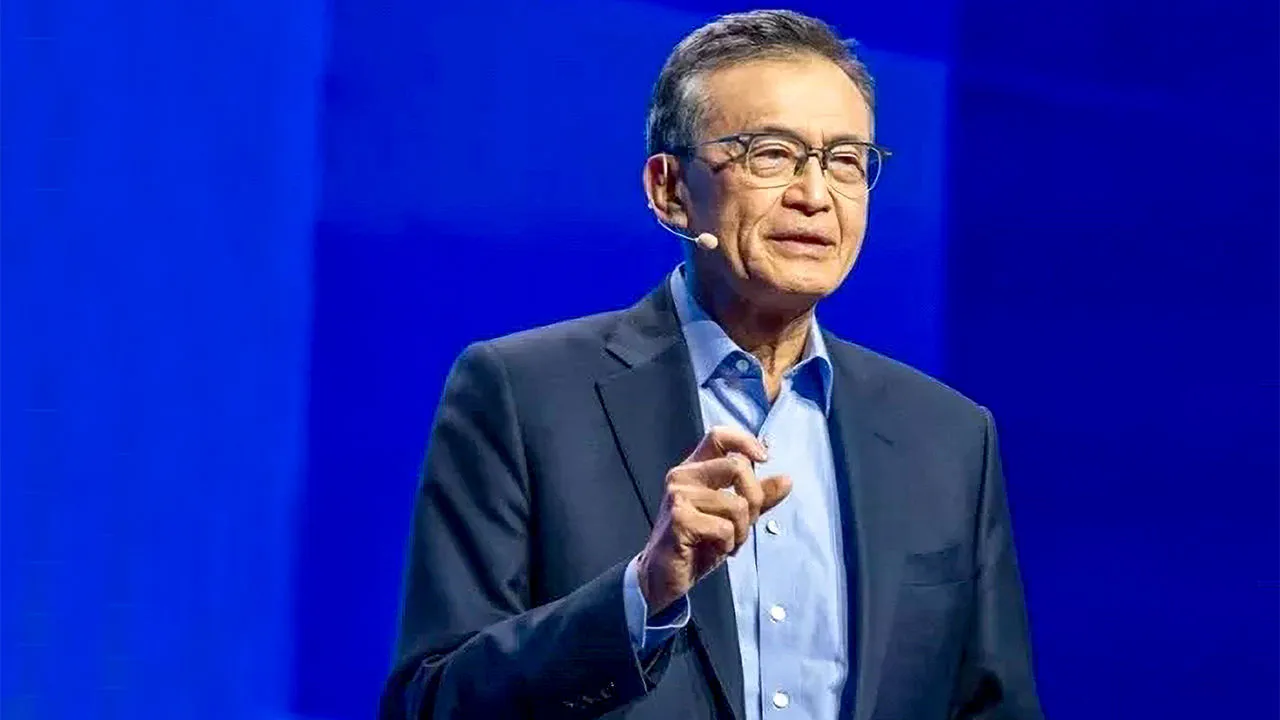
SAN FRANCISCO — Intel CEO Lip-Bu Tan is facing renewed scrutiny over potential conflicts of interest after a new Reuters investigation detailed how the chipmaker pursued major deals involving startups tied to his own venture portfolio, Thursday, Dec. 11, 2025. The report, based on multiple unnamed sources, describes how Tan’s dual roles as Intel chief and prolific venture capitalist shaped high-stakes talks around AI startups, raising questions about whether Intel’s existing safeguards are strong enough to protect shareholders.
How Lip-Bu Tan’s venture web intersects with Intel’s deal-making
According to the Reuters investigation, Lip-Bu Tan pushed Intel’s board in summer 2025 to consider acquiring AI chip startup Rivos, where he also served as chairman, only to be told he had a conflict and lacked a convincing AI strategy. After social media giant Meta moved to buy Rivos, Intel re-entered the bidding, helping drive the price tag toward roughly $4 billion before Meta ultimately won — a bidding war that boosted the value of Tan’s personal stake even though Intel walked away.
The same investigation describes at least two other cases in which Intel Capital invested in companies where Lip-Bu Tan or his funds already held positions, including AI computing firm SambaNova and chip-monitoring startup ProteanTecs. In SambaNova’s case, Tan served as executive chairman while Intel explored a deal; separate reporting from Wired says Intel has now signed a nonbinding term sheet to acquire the struggling AI chip maker, though any transaction would still face heavy diligence and regulatory review.
Intel has introduced policies requiring Lip-Bu Tan to recuse himself from decisions in which he could personally benefit, including board and Intel Capital investment committee meetings involving his outside holdings. In those cases, decision-making authority shifts to Chief Financial Officer David Zinsner — who still reports to Tan — and to Intel’s independent directors. The company told Reuters that it has “an unwavering commitment to the highest standards of corporate governance” and that Tan’s broad network is “invaluable” as Intel pursues an AI-focused turnaround.
Scrutiny of Lip-Bu Tan’s holdings has been building for months.
The conflict-of-interest questions surfacing this week did not come out of nowhere. In April, an earlier Reuters deep dive found that Lip-Bu Tan, through Walden International and related vehicles, had invested in more than 600 Chinese tech companies, including at least eight with links to China’s People’s Liberation Army. The story noted that such investments are generally legal and that Reuters found no evidence he held stakes in firms on the U.S. Treasury’s banned list, but it nonetheless raised alarms because Intel manufactures chips for the U.S. Department of Defense.
That reporting set the stage for political pushback. In August, U.S. Sen. Tom Cotton sent a letter to Intel’s board chair questioning Lip-Bu Tan’s Chinese ties and asking what the board knew about a criminal export-control case involving his former company, Cadence Design Systems. A follow-up Reuters story detailed the senator’s concerns. It noted that Tan led Cadence as CEO and later executive chairman during the years when the firm unlawfully exported chip-design tools to a Chinese military university, conduct for which Cadence has now agreed to plead guilty and pay more than $140 million, according to a Justice Department plea agreement.
Intel has stressed that Lip-Bu Tan himself has not been charged in the Cadence case and that it will address Cotton’s questions directly, reiterating that both the company and its CEO are “deeply committed to the national security of the United States.” Still, the combination of Tan’s extensive China-linked investments, Cadence’s export-control violations, and his ongoing outside roles has given critics ammunition to argue that Intel’s top executive is “highly conflicted” — a phrase former President Donald Trump also used in publicly calling for Tan’s resignation earlier this year.
Intel backs its CEO as markets weigh conflicts and connections.
Inside Intel, directors knew, when they elevated Lip-Bu Tan to CEO in March, that his web of venture stakes would raise recurring conflict-of-interest questions, but accepted that risk in hopes that his deal-making could revive a company that lost $19 billion last year, Reuters reported. Tan has since steered Intel toward AI-centric deals and leveraged long-standing relationships to secure marquee investments, including a $5 billion partnership with Nvidia and a multibillion-dollar share sale to SoftBank that analysts say helped stabilize Intel’s finances and boosted its stock price.
Corporate-governance experts interviewed by Reuters say Lip-Bu Tan’s situation illustrates the tension facing modern boards: how to tap a well-connected CEO’s venture network without letting potential self-dealing erode trust. Some argue Intel should go further by pushing Tan to unwind his outside stakes, place them in a blind trust, or rely more heavily on independent special committees for deals involving his portfolio firms. Others counter that forbidding such overlap entirely would deprive Intel of valuable insight into the startup ecosystem, just as it races to catch rivals in AI chips.
For now, Intel’s board is standing firmly behind Lip-Bu Tan, even as regulators, lawmakers, and investors scrutinize how the company manages related-party risks. Disclosures of any transactions that directly benefit Tan will not be required in Intel’s securities filings until 2026, meaning the complete picture of how its AI deal spree intersects with its CEO’s personal fortune may only become clear months from now — long after the Rivos saga and any SambaNova acquisition have been baked into Intel’s future.