What the Michigan synagogue attack revealed
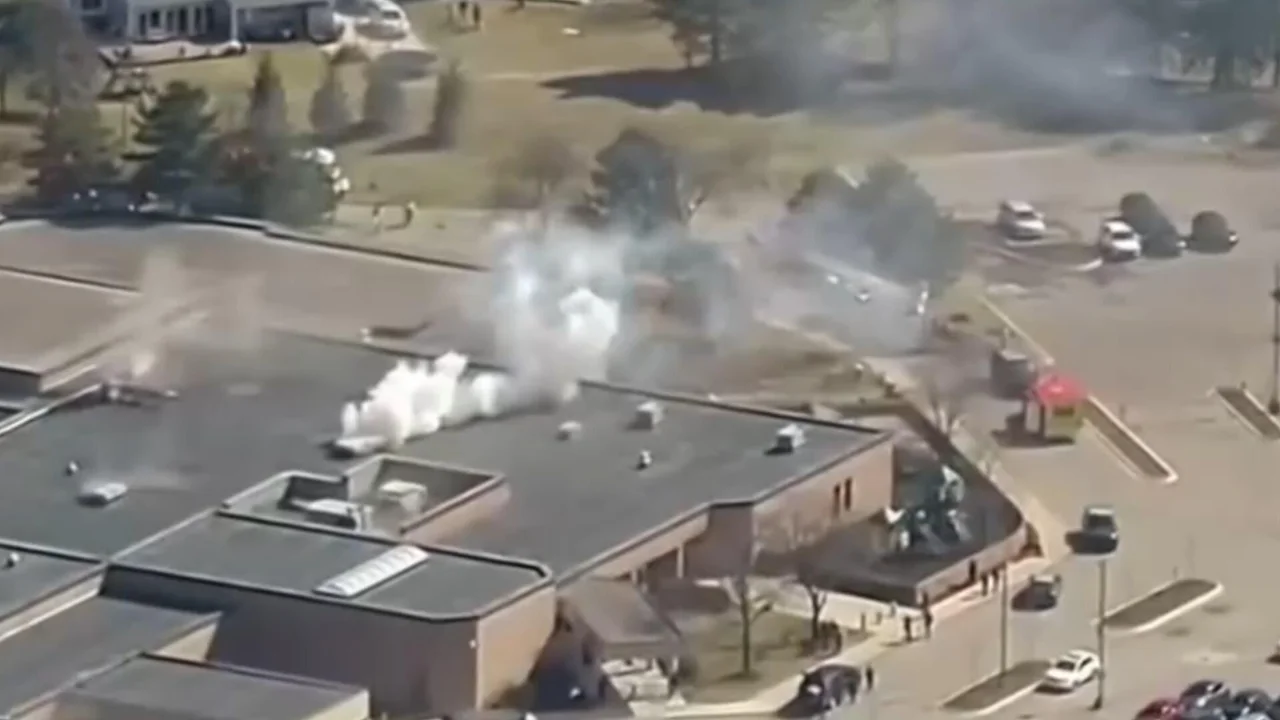
Reuters reported that the attacker drove a truck through the synagogue entrance and into a hallway while preschool was in session, injuring a security officer before he was killed. An AP follow-up said Temple Israel had already hired a former local police lieutenant to lead security and had recently put clergy and staff through active-shooter preparedness training. That matters because it shifts the lesson: the local institution was not asleep; it was braced, and still came within seconds of catastrophe.
Another Reuters report said U.S. law enforcement officials were on heightened alert as the Iran war entered its third week, and experts told the news service that self-radicalized attackers are often the hardest to detect before they move. In that sense, West Bloomfield was not proof that nobody saw danger coming. It was proof that modern vigilance often means absorbing an attack faster, not preventing every one of them outright.
Warnings without distribution are not enough
The most damaging detail may be procedural rather than tactical. Reuters also reported that the White House paused a federal bulletin from the Department of Homeland Security, the FBI and the National Counterterrorism Center warning state and local agencies of a heightened threat tied to the Iran war. A bulletin alone would not necessarily have stopped a lone actor in Michigan, and no serious analysis should claim otherwise. But when warnings are delayed, local institutions are left to carry even more of the burden in an environment where minutes matter and targets are vulnerable by design.
This is why the Temple Israel case lands so heavily. The synagogue did many of the things America asks vulnerable institutions to do: hire professionals, train staff, harden entrances and react immediately. Those steps appear to have saved lives. Yet the attacker still reached the building, still triggered chaos, and still turned a preschool hallway into a crime scene. That suggests the gap between “heightened alert” and actual interdiction remains wider than public rhetoric implies.
Older warnings that never really went away
Jewish institutions in the United States have been living with this threat for years. The Tree of Life massacre in Pittsburgh remains the deadliest antisemitic attack in U.S. history, and the Colleyville hostage siege showed in 2022 how a single assailant can turn a worship service into a prolonged national crisis. West Bloomfield feels like the newest chapter in that same story: more guards, more drills, more fear, but still no guarantee that a determined attacker can be stopped before first contact.
None of this means every international crisis produces domestic violence, and investigators still have not publicly assigned a final motive in the Michigan case. But the overlap is now too plain to ignore. When a foreign war intensifies, when Jewish institutions are openly identified as possible targets, and when official warnings struggle to move quickly through the system, the burden falls back onto congregations, schools and volunteer communities that were never designed to function as front-line security actors.
The immediate lesson from the Michigan synagogue attack is grim but clear: preparedness works, up to a point. It can save children, reduce casualties and keep a massacre from becoming something worse. What it cannot do by itself is close the broader gap between federal awareness and physical prevention. Until that gap narrows, “heightened vigilance” will continue to sound more reassuring than it really is.