

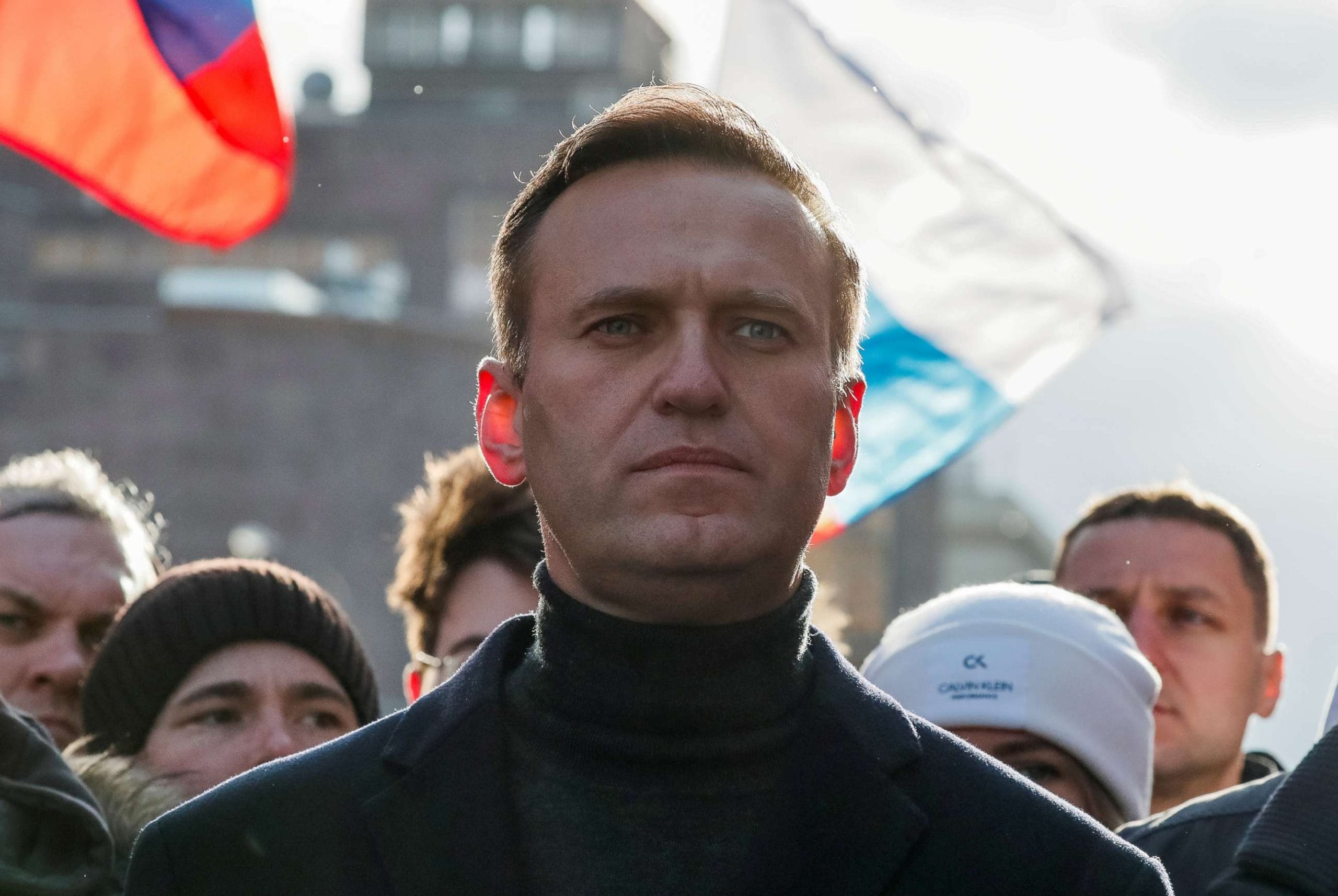
Alexei Navalny, the Russian opposition leader, was poisoned with the deadly neurotoxin epibatidine, according to new findings. The UK, along with four of its allies, released this information after an extensive investigation. However, Russia continues to deny these allegations, calling the evidence baseless.
In a groundbreaking announcement, authorities from the United Kingdom and four allied nations confirmed the presence of epibatidine in Navalny’s system, a rare and highly toxic substance. Epibatidine, originally derived from a frog species, is a potent neurotoxin that can cause paralysis and, if undetected, death within hours.
Epibatidine: The Poison Behind Navalny’s Near-Fatal Collapse
Epibatidine, a toxin discovered in the 1970s, has been recognized for its intense potency. The substance works by binding to acetylcholine receptors in the nervous system, disrupting nerve communication and causing lethal paralysis. Its presence in Navalny’s system supports previous suspicions that he was deliberately poisoned during his trip to Siberia.
The Timeline of Navalny’s Poisoning and Recovery
Navalny fell severely ill on August 20, 2020, during a flight from Tomsk to Moscow. After an emergency landing, he was transferred to a German hospital, where doctors confirmed signs of poisoning. Subsequent tests revealed the presence of a toxic chemical agent, leading to the identification of epibatidine as the culprit.
Russia’s Denial: A Longstanding Pattern of Dismissal
Despite mounting evidence from European medical labs and international investigations, Russian authorities have consistently denied any involvement in Navalny’s poisoning. The Kremlin has questioned the credibility of the research and has refused to cooperate with international calls for further investigation.
How Epibatidine Affects the Body
The effects of epibatidine are both swift and severe. Upon entering the body, it quickly binds to nicotinic acetylcholine receptors, leading to overstimulation of the nervous system. Victims typically experience muscle twitching, convulsions, and eventual paralysis, which can lead to respiratory failure without immediate medical intervention.
Global Reactions and Calls for Accountability
The poisoning of Navalny has led to widespread condemnation across the globe, with many international governments accusing Russia of targeting its political opponents. Leaders from the United States, Germany, France, and the UK have called for strict sanctions against Russian officials, while others have demanded accountability for the attack.
The European Union has proposed several measures, including a ban on specific Russian officials and economic sanctions aimed at discouraging such attacks in the future. Meanwhile, rights organizations are pressing for greater transparency in the investigation, which has been hindered by the Russian government’s lack of cooperation.
Older Articles: A History of Poisonings and Accusations
Navalny’s case is not the first high-profile poisoning to shake international politics. Previous incidents, including the poisoning of former Russian spy Sergei Skripal in the UK in 2018, have raised concerns about the Russian government’s involvement in such covert actions. In both cases, the use of nerve agents, including Novichok, has been strongly linked to the Russian state.
As noted in a 2018 article by The Guardian, the UK government attributed the Skripal poisoning to Russia’s GRU military intelligence agency, further souring relations between Russia and the West. Similarly, the allegations surrounding Navalny’s poisoning follow a familiar pattern of accusations against Russian operatives, though Russia continues to dismiss them as politically motivated.
Moreover, The New York Times highlighted the international outcry after Navalny’s hospitalization, with calls from the international community demanding that Russia address the evidence transparently. The Kremlin’s reluctance to engage with these demands has only escalated the tensions.
As more evidence surfaces, questions remain about the long-term effects of Navalny’s poisoning on Russia’s political landscape. Analysts from BBC News have speculated on how this might influence Russia’s relationship with the West, especially as Navalny continues to be a key figure in opposition politics.
Conclusion: What’s Next for Navalny and International Relations?
The poisoning of Alexei Navalny has now become a key turning point in the ongoing conflict between Russia and the international community. With both medical and circumstantial evidence mounting against Russian authorities, the global community is left to grapple with the broader implications of this attack. As Navalny continues his recovery, the political fallout and diplomatic consequences of the poisoning remain uncertain, with sanctions and international condemnation likely to continue as key points of contention in future talks.


