

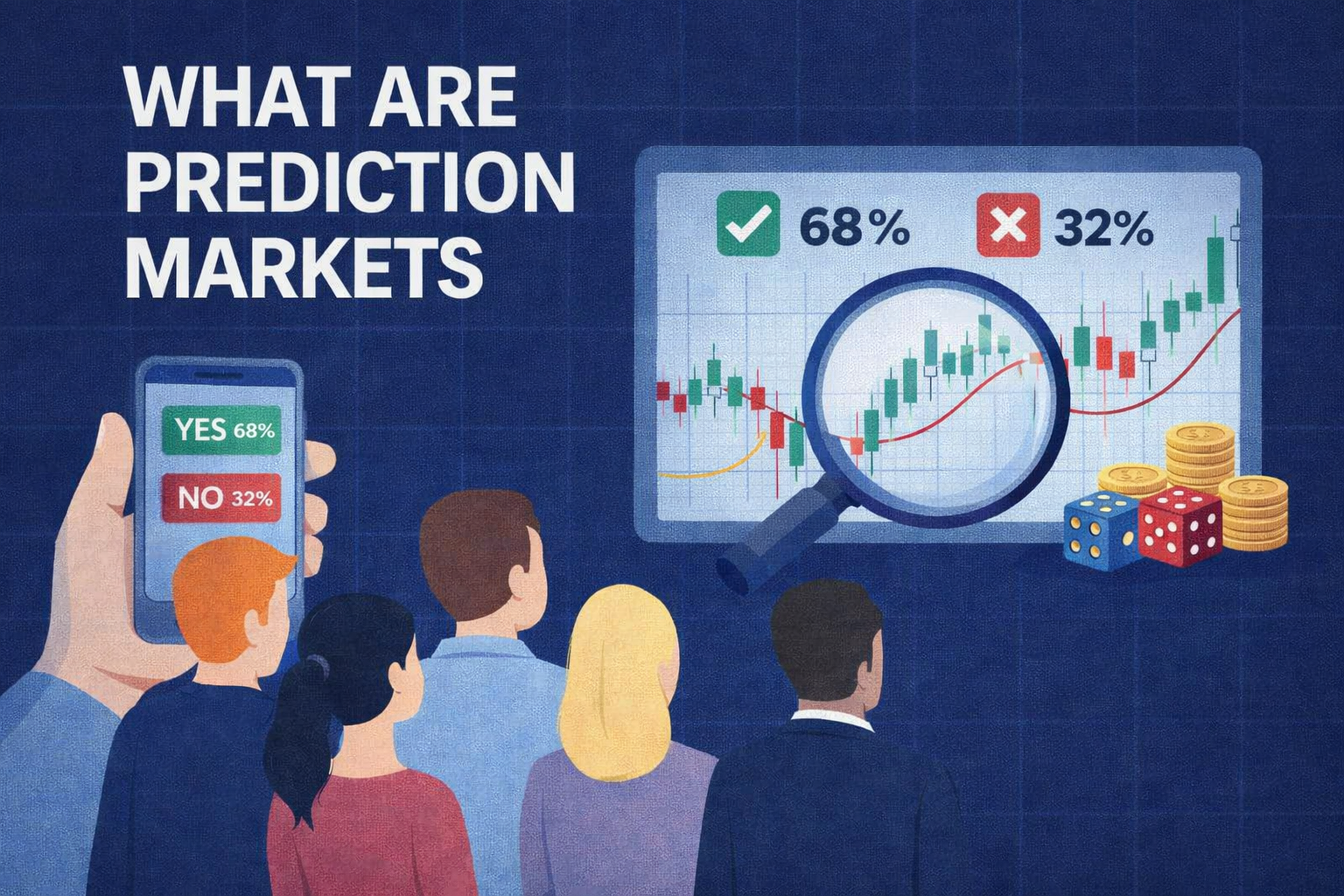
The controversy has centered on Polymarket and Kalshi, two major platforms where users trade contracts tied to future events. Unlike traditional sportsbooks, prediction markets frame trades as event contracts whose prices move with perceived probabilities, allowing users to buy “yes” or “no” positions on outcomes ranging from elections to economic data to geopolitical developments.
Why prediction markets are drawing rare scrutiny
The first wave of concern came after contracts tied to Iran attracted extraordinary volume. Reuters reported that $529 million was wagered on Polymarket contracts tied to the timing of attacks and $150 million was bet on contracts tied to the removal of Iranian Supreme Leader Ayatollah Ali Khamenei. Blockchain analytics firm Bubblemaps said six accounts made $1.2 million on bets funded in the hours before raids, according to Reuters.
The issue widened after an Associated Press analysis of Polymarket wallets found that at least 50 newly created accounts placed substantial “Yes” bets before President Donald Trump announced a U.S.-Iran ceasefire April 7. One wallet created that morning placed about $72,000 in bets and later cashed out for a roughly $200,000 profit, AP reported.
Those trades do not prove wrongdoing. But their timing has intensified questions about whether people with access to diplomatic, military or market-moving information can profit before the public learns what happened. The central concern for regulators is not simply that traders guessed correctly, but that anonymous and fast-moving accounts may be difficult to investigate after the fact.
The Commodity Futures Trading Commission has tried to reassure lawmakers that it can police the space. Reuters reported that CFTC Chair Michael S. Selig told Congress the agency would punish fraud, manipulation and insider trading as concern mounted over prediction markets, oil futures and other trades tied to White House decisions. “We will find you and you will face the full force of the law,” Selig said.
Prediction markets moved faster than the rules
The Iran controversy is not the first warning sign. In January 2022, the CFTC entered a settlement with Polymarket’s parent company after finding that the platform had offered off-exchange event-based binary options without proper registration; the 2022 CFTC order against Polymarket required a $1.4 million penalty and the wind-down of noncompliant markets.
By 2024, the fight had shifted to elections. The Associated Press reported in September 2024 that the CFTC warned election betting could invite manipulation and harm public confidence in voting. Days earlier, a federal judge cleared the way for Kalshi to list election-related contracts, giving the industry momentum while leaving unresolved whether these markets are useful forecasting tools, gambling products or something in between.
That unresolved legal status has become more urgent as platforms expand beyond elections into war, diplomacy and other sensitive events. Supporters argue that prediction markets aggregate information and can offer faster signals than polls or pundits. Critics counter that the same speed can turn nonpublic government information into a private payday.
Insider-trading fears reach beyond Iran
Regulators’ strongest signal came in a separate case involving Venezuela. The CFTC charged U.S. Army service member Gannon Ken Van Dyke with insider trading in Maduro-related event contracts, alleging he used classified nonpublic information about U.S. operations to buy more than 436,000 “Yes” shares on Polymarket and generate more than $404,000 in profits. The agency said it was the first time it had charged insider trading involving event contracts.
The case sharpened the debate in Congress because it showed what lawmakers fear most: officials or insiders with access to confidential information using prediction markets before military or diplomatic actions become public. It also gave regulators a test case for applying commodities law to event contracts that resemble bets but operate in markets overseen, at least in part, by financial regulators.
States have also started moving. WIRED reported that New York banned state employees from using insider information to trade on prediction markets, following similar actions and proposals aimed at preventing public officials from profiting off confidential government work.
What happens next for prediction markets
The next phase is likely to focus on three questions: whether war-related event contracts should be barred outright, whether public officials should be banned from participating in certain markets, and whether platforms can identify and report suspicious trades quickly enough to preserve market integrity.
For Polymarket, Kalshi and other platforms, the challenge is no longer just growth. It is trust. The Iran-linked bets have made prediction markets harder for Washington to ignore and harder for platforms to defend without stronger surveillance, clearer rules and faster cooperation with regulators.
Until those guardrails catch up, the industry’s biggest selling point — real-time information from traders with money at stake — will remain its biggest liability. In markets tied to war, assassination, diplomacy and government action, the line between forecasting the news and profiting from secrets is now the central question.


