

PARIS — Remy Cointreau shares rose early on Thursday after the new chief executive, Franck Marilly, announced selective price cuts and pledged to return to growth during the second half of the year, despite a 13.6% fall in first-half organic current operating profit. Nov. 27, 2025 The French spirits maker said tighter cost control, more flexible pricing, and a push to revive cognac volumes in the U.S. would help support a rebound despite tariffs and soft Chinese demand.
According to an official first-half results statement, Remy Cointreau posted consolidated sales of €489.6 million for the six months to Sept. 30, a decrease on an organic basis of 4.2% and 8.3%, respectively, while net profit decreased 31.3% to €63.1 million. The Cognac unit saw a 7.6% drop in organic sales and an 18.3% decline in operating profit, which was partially offset by Liqueurs & Spirits, which saw a 4.1% rise in organic sales and an almost 10% increase in profit.
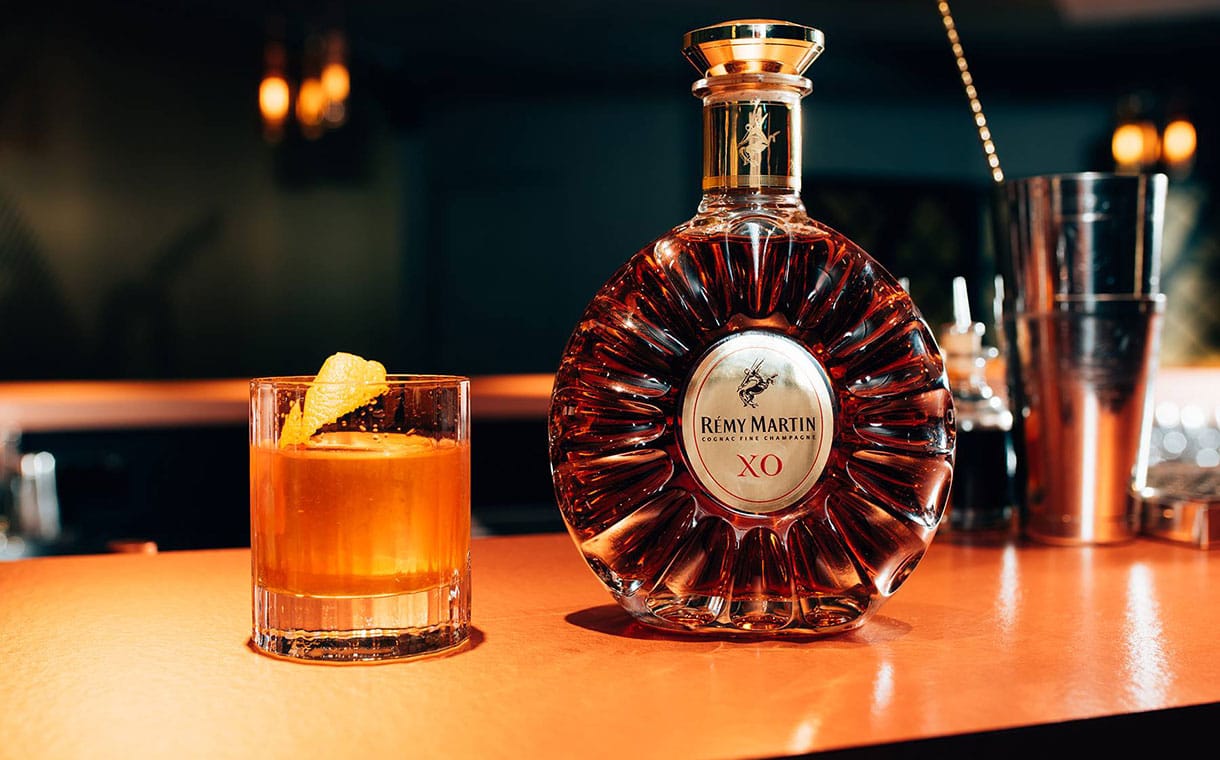
Nevertheless, investors cheered the update and Marilly’s refocus on prices: shares in Remy Cointreau rose as much as 6 per cent before scaling back gains to trade slightly ahead, according to Reuters. The new chief executive, who joined in June, told analysts, “The worst is behind us” in the U.S., and added that the group had been “a little bit too dogmatic on price,” particularly with its Remy Martin cognac brands. He vowed to win back cost-conscious drinkers at the expense of near-term margins by cutting prices and promoting his brews.
Remy Cointreau maintained its guidance for full-year 2025-26 organic sales growth between flat and low single digits, and for an organic decline in current operating profit from the low double-digits to mid-teens, adding that the second half should benefit from easier comparisons and a gradual improvement in demand in China and travel retail. The group, in its detailed release, said it would maintain high marketing investment in priority markets and continue to trim overheads and improve cash generation.
The first half “marks the beginning of a new chapter” for Remy Cointreau, Marilly said, as he outlined a five-point plan that includes adapting the organization, rebalancing commercial resources, and refocusing investment behind core brands. He said the company would construct innovation around shifts in consumer tastes, while “strengthening our pricing agility,” and he promised that the reset would not dilute a portfolio positioned at the premium end of its long-term target.
Following the results, he also described the strategy as one that would seek to “rethink, reset and reignite” the business after several tough years, with trade media The Moodie Davitt Report pointing to management’s focus on cash generation, potential portfolio pruning of labels, and a broader playing in emerging markets and global travel retail. Analysts warned that the shift towards lower prices and a broader demographic could put additional pressure on gross margins and erode the mystique of exclusivity around Remy Cointreau’s top two brands, even if judicious discounting unlocked volumes in established markets.
Remi Cointreau’s turnaround bid haunted by years of downgrades
Marilly’s reset came amid years of downgrades. The shares have dropped more than 70% since 2023 as U.S. consumers traded down from high-end cognac and Chinese drinkers grew more cautious, while the company repeatedly lowered its sales outlook. In April and October 2023, Remy Cointreau warned that sales in the “year to Mar. 31” would fall sharply in “2023-24″… only to cut its outlook again later in the year, before a 17.6% drop in first-half operating profit by late 2024 forced it to double down on cost savings after organic revenue was off about 18% for 2024-25 and operating profit was lower by more than a third.
For now, the market seems prepared to give Marilly time, wagering that selective price cuts and a leaner cost base can stabilise sales without permanently eroding Remy Cointreau’s luxury badge. Whether the plan can deliver its second-half turnaround — and keep it going beyond one quarter of reporting — will probably decide whether Thursday’s share bounce was the start of a sustainable re-rating or just another burst in a long, wild slide.


