
As tensions between Washington and Tehran escalate, Reza Pahlavi, the exiled son of Iran’s last shah and a leading opposition figure, has reignited a heated debate by publicly urging U.S. military intervention in Iran—a stance that has drawn both support and sharp criticism amid reports that U.S. forces are preparing for potentially extended operations. This development comes as U.S. officials warn of possible “weeks-long” military activity if diplomatic efforts fail. Reuters reported significant military preparations.
The Latest Call from Reza Pahlavi and U.S. Military Planning
Speaking at the Munich Security Conference on Feb. 14, 2026, Pahlavi argued that direct American intervention could accelerate the collapse of Iran’s clerical leadership and ultimately save lives by shortening conflict and empowering internal dissent. He suggested that prolonged negotiations may serve only to embolden the current regime’s brutal crackdown on widespread protests. The Jerusalem Post covered his remarks, noting his belief that the Iranian government appears “on the brink of collapse.”
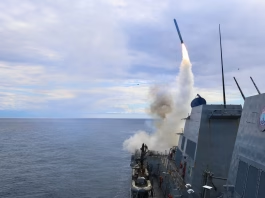
Simultaneously, U.S. military officials have publicly acknowledged preparations for “sustained, weeks-long operations” against Iran should President Donald Trump order an escalation of force—far beyond prior limited strikes or shows of force in the region. Analysts say such planning reflects deep concerns over Tehran’s strategic capabilities and the widening scope of potential conflict. Baird Maritime highlighted details about the buildup, including naval deployments and troop readiness.
Historical Context: Pahlavi’s Long-Standing Engagement with U.S. Supporters
Pahlavi’s recent appeal is not without precedent. For decades he has positioned himself as a symbolic leader for change in Iran, advocating for closer U.S. and Western backing of Iranian pro-democracy movements. After protests erupted last year across Iran, he thanked U.S. President Donald Trump for expressing support for demonstrators, arguing it strengthened their resolve against the current regime. Reuters noted that Pahlavi expressed appreciation for Trump’s warning to Tehran that the U.S. might intervene if authorities violently suppressed dissent. His involvement in initiatives like the Iran Prosperity Project further demonstrates his effort to lay groundwork for a post-regime transition.
Controversy and Debate Within the Opposition
Not all critics or analysts support Pahlavi’s interventionist appeal. Some argue that regime change should be driven internally by the Iranian people without foreign military invasion and point to potential backlash. Past reporting on the limited popular support for a returned monarchy underscores this skepticism. Others push for non-military pressure or targeted sanctions instead of kinetic action. Such debate illustrates the complexities of external involvement in Iran’s domestic upheaval.
Where the U.S.-Iran Crisis Stands Now
Even as Pahlavi’s statements circulate, the United States continues a dual track of diplomacy and deterrence. Negotiations involving U.S. envoys and Iranian representatives aim to avert full-blown hostilities, but the public and strategic rhetoric from both capitals has hardened. Meanwhile, U.S. military planners remain poised for potentially extended operations—rendering the region’s future highly unpredictable as the debate over intervention reverberates across capitals and within the Iranian diaspora.