

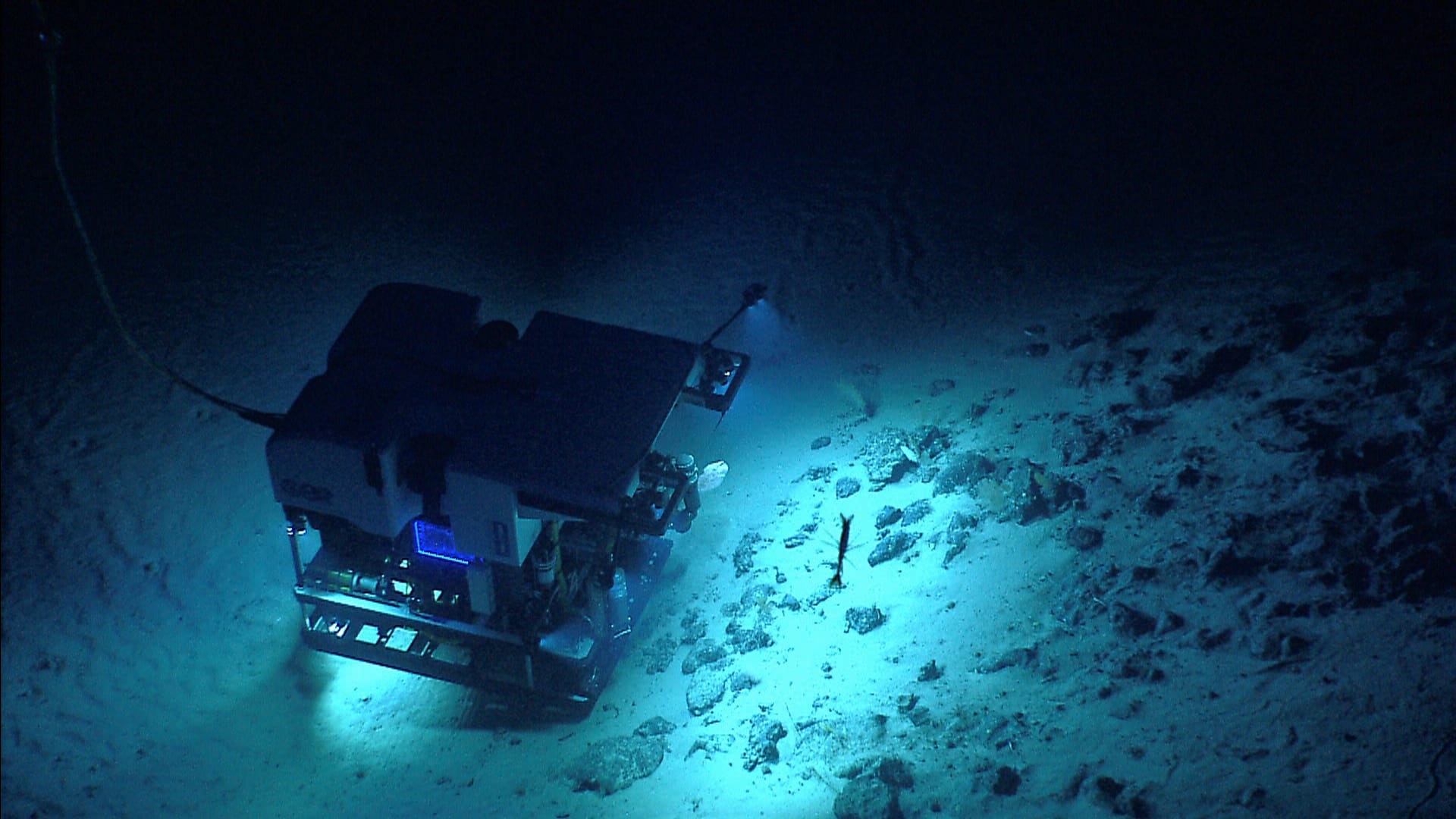
LONDON — A new University of Exeter–led study finds that oceanic seamounts host predator communities with up to 41 times more sharks than surrounding waters, raising fresh alarms over how little of the high seas is actually protected. Researchers tracked sharks and tuna around three shallow seamounts inside the Ascension Island Marine Protected Area and say the results show why these underwater mountains act as “oases” and activity hubs that should sit at the heart of global marine protected area plans, Dec. 10, 2025.
The study, published in PLOS Biology, used tags and baited remote underwater video to follow predators at three volcanic peaks in the South Atlantic. It found a steep build-up of life from zooplankton to tuna and sharks around the summits, plus a five-kilometer halo of elevated biomass, with some sharks living at a single seamount and others commuting between peaks.
Because the Ascension seamounts lie inside a large no-take reserve, the results offer rare evidence of how fully protected seamounts can function as shark strongholds in the open ocean — a model scientists say should be copied on other high-seas seamount chains.
Seamounts have been shark magnets for decades.
Scientists have long suspected that seamounts concentrate predators. A 2010 global analysis found seamounts act as pelagic biodiversity hotspots, packing in far more species than nearby open water. Earlier work on hammerhead “shark superhighways” in a 2008 study showed schools of sharks using seamounts and offshore islands as navigation points and gathering sites, strengthening the case for tightly focused reserves around them.
In 2019, the Marine Conservation Institute’s explainer “Sharks on Seamounts” described how the Sea of Cortez seamounts once hosted aggregations of more than 500 hammerheads, but warned that overfishing, finning, and bycatch were eroding those gatherings. More recent tracking of silky sharks finds generally low numbers across their tropical range, yet flags seamounts as hotspots of abundance and logical focal points for marine protected areas.
Pressure grows to protect seamounts from industrial fishing.
Despite mounting scientific evidence, most seamounts remain open to heavy fishing. A 2024 analysis in Conservation Letters concluded that remote seamounts are key conservation priorities for pelagic predators yet overlap strongly with industrial longline fleets, following estimated declines of 60 percent in tunas and 71 percent in oceanic sharks and rays driven by industrial fishing.
The North Pacific’s Emperor Seamount Chain shows how quickly things can go wrong. A 2024 Greenpeace investigation documented longline fleets hauling dozens of sharks in a single day around the Emperor seamounts and called the region a biodiversity hotspot that remains largely unprotected in practice.
Agencies such as NOAA highlight how protected seamounts can serve as “living laboratories.” A 2025 feature, “Five Reasons Seamounts Matter,” describes seamounts within U.S. national marine sanctuaries as deep-sea volcanic features that support whales, seabirds, centuries-old corals, and sharks while remaining off-limits to the most damaging activities.
Turning seamount shark strongholds into absolute protection
For backers of the new U.N. High Seas Treaty and the global goal to protect 30 percent of the ocean by 2030, seamounts are emerging as a litmus test. Groups, including the Deep Sea Conservation Coalition, argue that closing seamounts to bottom trawling and poorly regulated longlining are among the clearest ways to show governments are serious about high-seas conservation.
The Ascension Island results add fresh urgency, suggesting that when seamounts are fully protected, predator biomass can soar and spill over into surrounding waters — but that leaving them open to fishing risks losing irreplaceable shark strongholds. Treating seamounts as essential refuges rather than expendable fishing grounds, researchers say, could help rebuild shark populations and stabilize open-ocean food webs for decades to come.


