

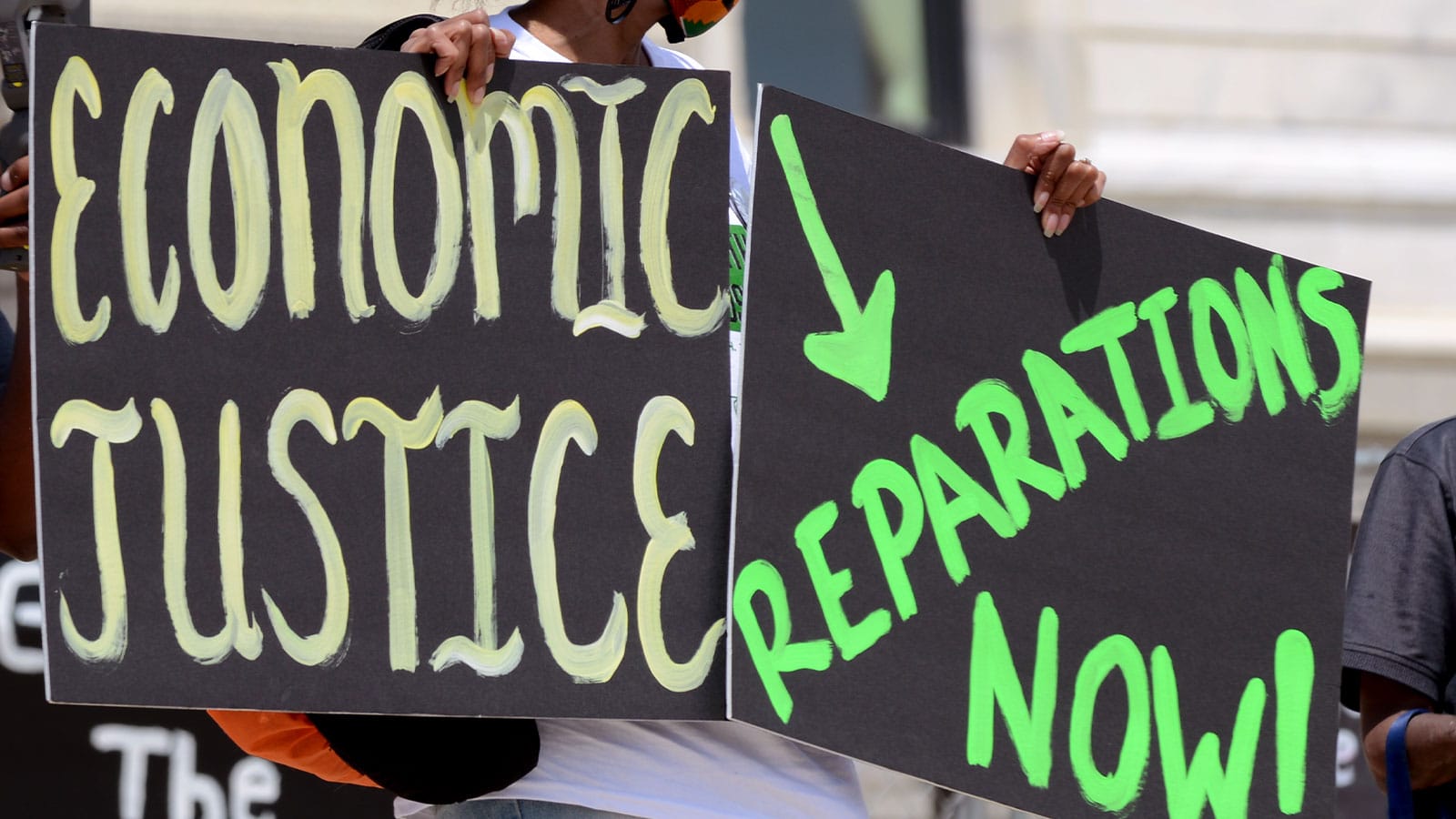
Why slavery reparations now face a practical test
The vote does not create a court, levy or payment schedule. But the resolution text gives advocates a stronger diplomatic platform by calling on member states to engage in dialogue on reparatory justice, including a full and formal apology, restitution, compensation, rehabilitation, guarantees of non-repetition and reforms to laws, programs and services that address racism and systemic discrimination.
That language matters because it shifts the debate from remembrance to responsibility. For supporters, slavery reparations are not only direct payments. They can include the return of cultural property, development support, education and memorialization, public health investment, debt relief and institutional reforms tied to the continuing effects of slavery.
The scale of the crime remains central to the dispute. Reuters reported that Ghana argued the resolution was needed because the consequences of slavery persist today, including racial disparities, after at least 12.5 million Africans were taken and sold between the 15th and 19th centuries.
A split over law, memory and money
Ghanaian President John Dramani Mahama, a key champion of the resolution, framed the vote as a matter of memory and repair. He said the resolution was “a route to healing and reparative justice” and a “safeguard against forgetting,” language that supporters say reflects a long-delayed international acknowledgment of harms that continue to shape modern inequality.
The African Union welcomed the adoption, saying in a statement after the vote that it marked an important step toward “truth, justice, and healing” and reinforced the need to address slavery’s enduring legacy.
Opponents and abstaining states did not deny the horror of the transatlantic slave trade. Their objections centered on law and precedent. The United States said it did not recognize a legal right to reparations for historical wrongs that were not illegal under international law at the time they occurred. The European Union, in its official explanation of vote, said the use of “gravest” implied a hierarchy among atrocity crimes and raised concerns about retroactively applying international law.
How the older reparations fight led to this U.N. moment
The U.N. vote did not appear in isolation. The 2001 Durban Declaration and Programme of Action recognized slavery and the slave trade, including the transatlantic slave trade, as crimes against humanity and said they should always have been treated that way.
Caribbean governments later moved from principle to policy. The Caribbean Community’s 10-point reparation plan called for a full formal apology, repatriation support, cultural institutions, public health programs, debt cancellation and other measures aimed at repairing the legacy of slavery and colonialism.
The African and Caribbean push also became more coordinated before the 2026 vote. In 2023, Reuters reported from Bridgetown that African and Caribbean representatives had joined forces to demand reparations for slavery and its legacy, describing the effort as the beginning of an “intercontinental campaign.”
The question of who was compensated has long fueled the demand. The Bank of England has detailed how Britain paid former slave owners, not formerly enslaved people, after abolition, with about £20 million in compensation added to the national debt and the last repayment made in 2015, according to its account of transatlantic slavery links.
The unresolved question: who should pay?
The resolution leaves the answer broad. It points to states, private entities, institutions and other beneficiaries across continents and oceans, but it does not assign shares of responsibility. That ambiguity is politically useful for building support, but it also makes implementation difficult.
Former colonial powers fear that accepting reparations language could expose governments, corporations, museums, banks, churches and universities to claims they are not prepared to meet. Advocates argue that the absence of a simple bill is not a reason to avoid repair. They say the first step is an honest inventory of who profited, who was harmed and which harms can still be addressed through policy.
The vote’s immediate effect is diplomatic, not financial. Ghana, the African Union and Caribbean governments now have a fresh U.N. mandate to press for negotiations over reparatory justice, cultural restitution and possible future mechanisms. The harder result is political: governments that abstained or opposed the measure must now explain whether they reject compensation itself, the legal theory behind it or only the wording of this resolution.
The landmark U.N. vote did not settle who should pay for slavery’s enduring damage. It made the question harder to ignore.


