

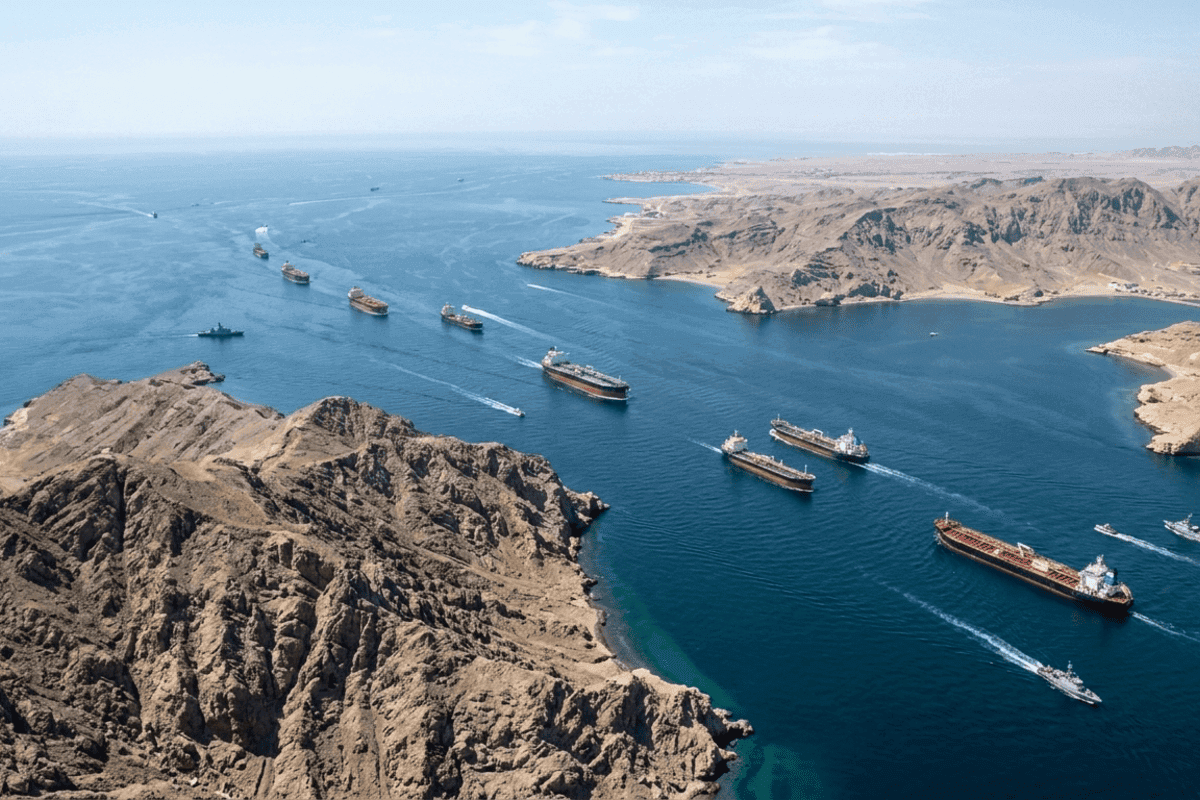
Strait of Hormuz crisis puts Pakistan in a rare mediator role
The latest diplomatic opening came after Iran, through Pakistani mediators, delivered a proposal to reopen the Strait of Hormuz and end the war while postponing nuclear negotiations to a later phase, according to Reuters reporting on the proposal conveyed through Pakistan. That sequencing is the core problem: Tehran wants relief from U.S. pressure and a path to end hostilities first, while the Trump administration wants Iran’s nuclear program addressed immediately.
Associated Press reporting said Iran offered to end its chokehold on the strait if the U.S. lifted its blockade and ended the war, but U.S. officials appeared cool to any arrangement that left the nuclear issue for later. The AP account of Iran’s offer and the U.S. response also noted the fragile ceasefire backdrop, underscoring why Pakistan’s mediation has produced movement but not yet a breakthrough.
Pakistan’s challenge is that it is trying to translate access to both sides into an agreement neither side can easily sell at home. Iran is treating the strait as leverage against U.S. military and economic pressure. Washington is treating the same waterway as a test of whether Iran can be allowed to control a major international shipping artery without first accepting strict nuclear limits.
Why the U.S.-Iran deadlock is so hard to break
The impasse is not only about ships. It is also about the order of concessions. Iran wants the blockade lifted, hostilities ended and shipping normalized before the nuclear file is reopened. The United States wants nuclear limits, missile restraints and regional security issues included before major pressure is removed.
That gap has made Pakistan’s peace push both important and fragile. Islamabad can host messages, help frame a ceasefire and press for maritime safety at the U.N., but it cannot force either capital to accept political risk. U.S. officials have already shown little appetite for a narrow Hormuz-first deal, while Iranian officials appear unwilling to surrender their strongest bargaining chip without guarantees.
The deadlock is already hitting markets. Oil prices rose as efforts to end the war appeared stalled, with Reuters reporting that the strait remained largely shut and that traders were repricing geopolitical risk. The Reuters oil market report on the Hormuz standoff said Brent crude climbed nearly 3% as hopes for a quick agreement faded.
Older crises show why Hormuz remains a global flashpoint
The current confrontation did not emerge in isolation. The Strait of Hormuz has long been treated as a strategic pressure point because so much energy trade passes through a narrow route with limited alternatives. In June 2025, the U.S. Energy Information Administration said the strait carried about 20 million barrels per day of oil flows in 2024, equal to roughly 20% of global petroleum liquids consumption, in its older analysis of Hormuz as a critical oil chokepoint.
Days later, Reuters reported that Iranian lawmakers were again discussing closure as a possible response to foreign pressure, a warning that foreshadowed today’s crisis. That June 2025 Reuters article on Iran’s closure threats showed that the threat to shipping was already becoming part of Tehran’s escalation playbook before the latest blockade confrontation.
The pattern reaches further back. In 2019, Iran’s Revolutionary Guards seized the British-flagged tanker Stena Impero in the Strait of Hormuz, an episode that highlighted how quickly disputes over shipping can become international crises. Reuters later reported on the release of some crew members in its older coverage of the Stena Impero seizure, a reminder that Hormuz tensions have repeatedly turned vessels and crews into bargaining chips.
U.N. pressure raises stakes for the Strait of Hormuz crisis
At the U.N., Secretary-General António Guterres warned that navigational rights and freedom of navigation through the Strait of Hormuz must be respected, according to his remarks to the Security Council on maritime security. That message strengthened Pakistan’s argument that the dispute is no longer only a bilateral U.S.-Iran confrontation but a global maritime security test.
For Islamabad, the diplomatic goal is to keep communication open long enough for a phased compromise to become possible. For Washington and Tehran, however, the strait has become a symbol of leverage, credibility and deterrence. Until those priorities shift, Pakistan’s bold U.N. peace push may slow escalation, but it is unlikely to end the Strait of Hormuz crisis on its own.