

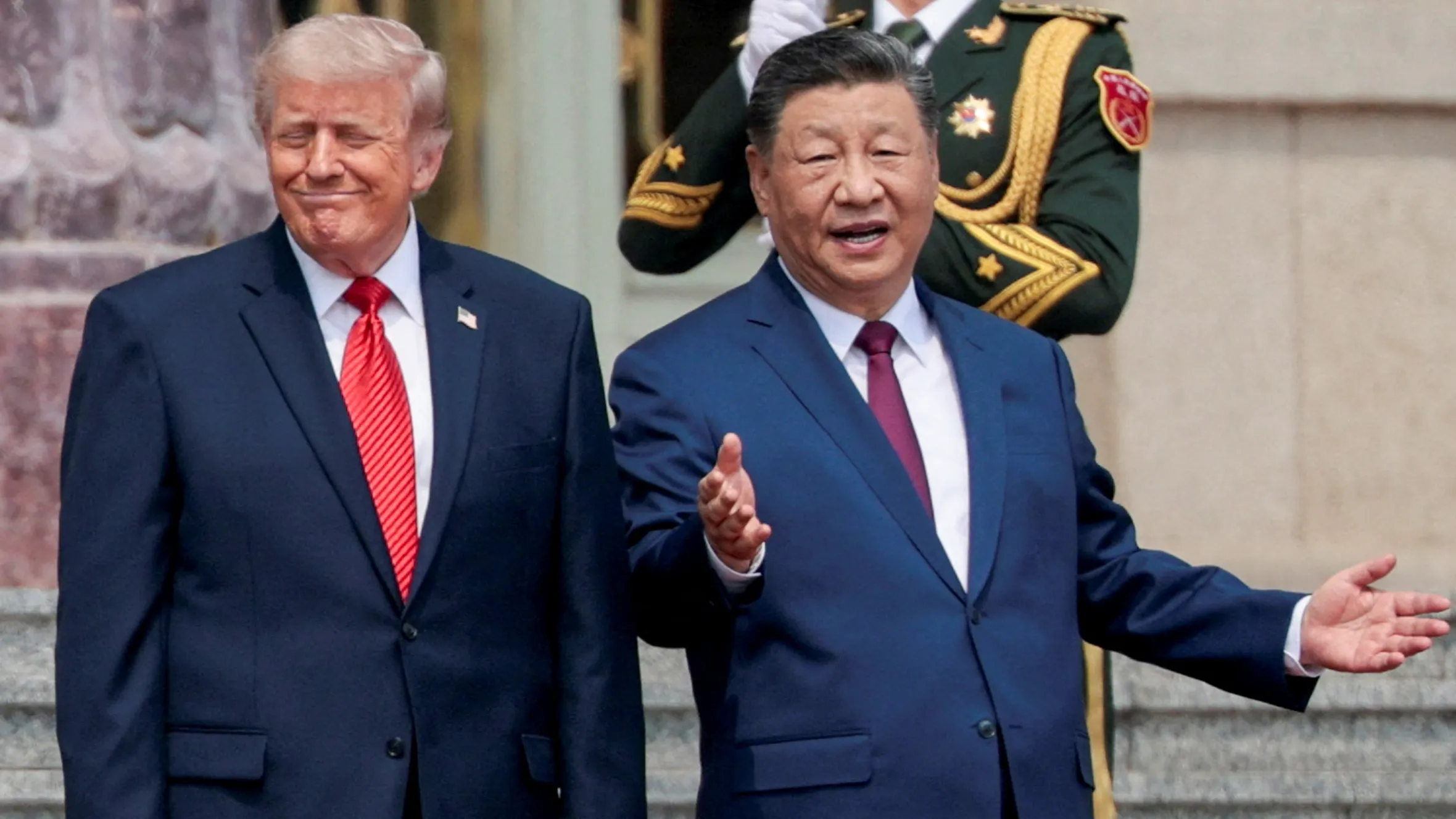
Trump Xi Iran Weapons and Rising Strategic Tensions
The phrase Trump Xi Iran Weapons has resurfaced in policy discussions as analysts examine how past U.S.-China competition and Iran-related defense concerns continue to influence current diplomatic signaling. Observers point to ongoing friction over arms control, regional influence, and indirect support networks that connect global powers to Middle Eastern security dynamics.
According to recent geopolitical reporting, Washington’s long-standing concerns over Iran’s missile and nuclear capabilities remain a key pressure point in U.S. foreign policy. Meanwhile, Beijing has repeatedly emphasized “strategic stability,” signaling that it does not support escalation but continues to deepen economic ties in the region.
Xi Jinping’s Assurance and China’s Diplomatic Position
Chinese President Xi Jinping has consistently framed China’s Middle East policy as non-interventionist while promoting dialogue-based conflict resolution. His assurances, reiterated in multiple international forums, suggest Beijing aims to avoid direct military entanglement while maintaining influence through trade and diplomacy.
Analysts note that China’s stance is shaped by energy security concerns and its broader Belt and Road strategy, which prioritizes stability in regions critical to global supply chains.
Iran Weapons Concerns and U.S. Strategic Response
The United States continues to monitor Iran’s weapons development programs closely, particularly missile capabilities and nuclear enrichment activity. These concerns have persisted across multiple administrations and remain central to broader Middle East policy calculations.
The potential for escalation has kept regional allies on alert, with defense cooperation agreements and deterrence strategies being reinforced across the Gulf region.
Historical Context of U.S.-Iran-China Dynamics
The current situation builds on years of geopolitical friction. Earlier reporting on Iran’s nuclear negotiations highlighted the complexity of international oversight and enforcement mechanisms, particularly during the period of the Joint Comprehensive Plan of Action discussions.
Similarly, past analysis of U.S.-China relations shows that strategic competition between Washington and Beijing often intersects with third-party conflict zones, including the Middle East.
- Background on Iran nuclear negotiations:
Council on Foreign Relations overview of Iran nuclear deal history - U.S. foreign policy developments in the region:
Reuters world news coverage on Middle East security dynamics - China’s diplomatic strategy and global role:
BBC coverage of China’s international relations
Geopolitical Risk and Possible Future Scenarios
Security analysts warn that the convergence of U.S.-China competition and Iran-related military concerns could increase the risk of miscalculation. While no direct conflict between major powers is currently underway, proxy tensions and regional instability continue to drive uncertainty.
The possibility of renewed sanctions, diplomatic breakdowns, or localized military escalation remains a key focus for policymakers monitoring the situation.
Long-Term Outlook
Experts suggest that sustained diplomatic engagement among Washington, Beijing, and Tehran will be essential to preventing further escalation. However, entrenched strategic interests and mutual distrust make breakthroughs difficult in the near term.
- Global diplomatic analysis:
Al Jazeera international relations reporting - Broader security policy perspective:
Associated Press world news coverage
Conclusion
The intersection of Trump-era policy legacy, Xi Jinping’s diplomatic messaging, and ongoing Iran weapons concerns underscores a complex and evolving geopolitical landscape. While direct confrontation remains unlikely in the immediate term, analysts caution that overlapping strategic interests continue to raise global security stakes.


