
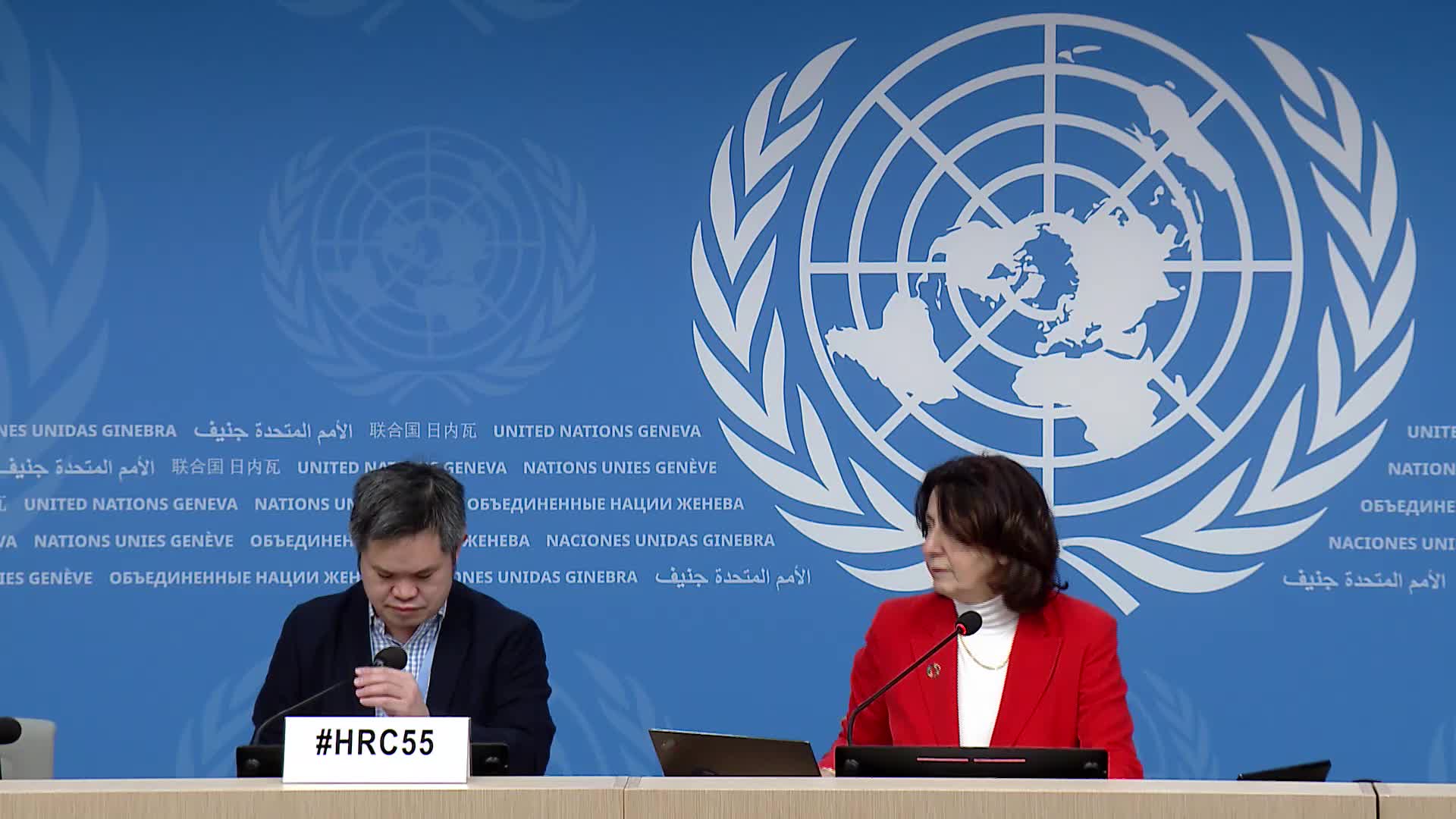
as agencies warned that existing response systems are struggling to keep pace with rising humanitarian needs, May 26, 2026.
Officials from multiple UN bodies described a “convergence of emergencies,” pointing to renewed outbreaks of infectious disease, intensifying regional conflicts, and growing strain on aid delivery systems worldwide.
UN News briefing underscores interconnected global emergencies
The UN News briefing emphasized that global crises are no longer isolated events but interconnected threats that amplify one another, particularly in vulnerable regions already facing food insecurity and displacement.
According to updates shared through the United Nations information network, agencies are calling for stronger multilateral coordination and increased funding to stabilize humanitarian response operations
(UN News official updates).
Health systems under renewed pressure
Health officials warned that surveillance gaps and uneven vaccine distribution continue to leave large populations exposed to preventable disease outbreaks. The World Health Organization has repeatedly cautioned that global preparedness remains inconsistent.
The broader public health context reflects long-standing concerns about pandemic readiness, including previous warnings about system fragmentation and delayed response capacity
(World Health Organization news and updates).
Conflict zones intensify humanitarian strain
Ongoing conflicts in multiple regions have compounded humanitarian access challenges, with aid organizations reporting restricted supply routes and rising civilian displacement.
The International Committee of the Red Cross has documented sustained pressure on humanitarian corridors, underscoring the difficulty of delivering aid in active conflict zones
(ICRC humanitarian operations overview).
Security cooperation gaps widen
Security analysts within the UN system noted that fragmented international responses are undermining efforts to address cross-border threats such as cybercrime, terrorism, and weapons proliferation.
Experts say the lack of unified enforcement mechanisms continues to limit the effectiveness of global security frameworks, particularly in regions experiencing political instability.
Historical context shows recurring global warning patterns
Similar concerns have been raised in previous years, with UN agencies repeatedly warning about the compounding effects of conflict and health emergencies on vulnerable populations
(UN humanitarian aid coverage archive).
During earlier global health emergencies, the World Health Organization stressed the importance of early detection systems and coordinated international response mechanisms
(WHO emergency preparedness resources).
Meanwhile, international reporting has consistently highlighted how geopolitical tensions have disrupted aid delivery and slowed recovery efforts in conflict-affected regions
(Reuters World News coverage).
Calls for stronger global coordination
The UN briefing concluded with renewed calls for increased international cooperation, stronger funding commitments, and improved data-sharing systems to address what officials describe as a rapidly evolving global crisis landscape.
Humanitarian agencies warned that without coordinated action, overlapping crises could further destabilize already fragile regions and deepen global inequality in access to health and security resources.