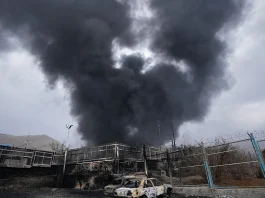

NEW YORK — The U.S. dollar held a safe-haven edge Wednesday as investors weighed the widening U.S.-Israeli war with Iran, violent oil swings and a proposal for the biggest emergency crude release in International Energy Agency history. The greenback kept that edge because traders see the United States as better insulated than major energy importers in a supply shock, while higher oil also threatens to keep global central banks cautious, March 11, 2026.
Wednesday’s Reuters currency report said the dollar was holding near recent three-month highs and that futures markets were pricing only about 39.7 basis points of Federal Reserve easing by year-end. That leaves the greenback supported not just by fear, but by a rates market that is no longer confident the Fed can deliver a smooth run of cuts if energy prices stay elevated.
Why the US dollar is still the first refuge
The haven trade is not just about military headlines. In a March 1 Reuters markets report, analysts noted that oil shocks tend to favor the dollar because the United States is a net energy exporter while Europe and Japan remain far more exposed to imported fuel. In practice, that means every sharp move in crude can strengthen the U.S. currency even before investors fully price the hit to global growth.
That dynamic explains why the dollar has stayed firm even as oil has whipsawed. According to Reuters’ latest oil market update, U.S. crude jumped above $119 a barrel on Monday, then reversed sharply and was back near $83 on Wednesday after news of a possible stock release. Brent also slid back toward the high-$80s, but the size of the swing reinforced how quickly war headlines are feeding into inflation expectations.
US dollar outlook still turns on oil, not just diplomacy
The proposed IEA intervention matters because it can calm the first leg of the shock even if it cannot settle the conflict. In an IEA statement after Tuesday’s G7-linked meeting in Paris, Executive Director Fatih Birol said member countries hold more than 1.2 billion barrels of public emergency oil stocks, plus another 600 million barrels of industry stocks held under government obligation, while governments assess whether to make those barrels available to the market.
Even so, relief has been partial. Reuters’ March 11 global markets wrap said shares merely steadied after the oil pullback and that sentiment remained fragile as investors tried to judge whether the conflict will choke energy trade, keep inflation sticky or both. Oil may have stopped screaming for a session, but it has not stopped dictating the market story.
The pattern also has a clear history. Reuters reported in April 2022 that IEA countries agreed to tap an additional 60 million barrels on top of a massive U.S. Strategic Petroleum Reserve release after Russia’s invasion of Ukraine sent crude surging. And another Reuters markets snapshot from October 2024 showed how quickly Middle East tensions again pushed investors toward the dollar and Treasuries. Today’s market is effectively revisiting both playbooks at once: emergency energy relief on one side, safe-haven dollar buying on the other.
Unless there is a credible ceasefire and a clear reopening of Gulf energy flows, the path of least resistance is for the dollar to stay firm. The IEA can soften the immediate supply shock if member governments move ahead, but it cannot by itself remove the uncertainty that is keeping investors defensive and rival major currencies on the back foot.