

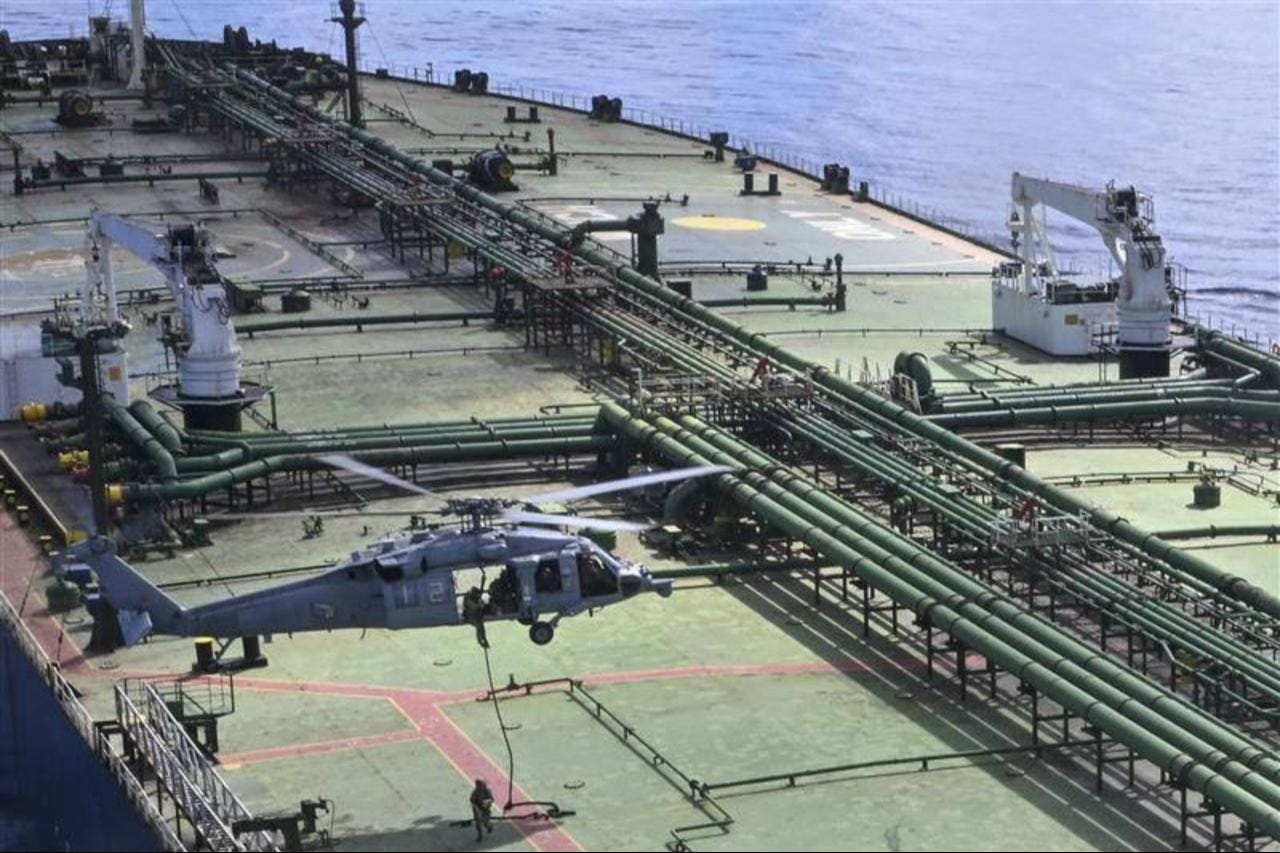
The global shipping industry is reeling as a wave of maritime seizures by both United States and Iran spills across strategic sea lanes, raising fresh alarms about disruptions to international trade and the erosion of established maritime norms. Commercial vessels have been intercepted, boarded and detained in the Strait of Hormuz and beyond, escalating a crisis in maritime law that industry groups and governments say could have long‑term implications.
US–Iran Ship Seizures Imperil Freedom of Navigation
In recent days, a pattern of reciprocal vessel captures — described by analysts as “tit‑for‑tat” — has unfolded in and around the Strait of Hormuz, the chokepoint through which roughly a fifth of the world’s oil shipments transit. Both Tehran’s Revolutionary Guard naval forces and U.S. naval units have seized commercial vessels, drawing rare condemnation from global shipping bodies. According to reports, the U.S. and Iran have detained several ships, including container vessels and tankers as tensions with Iran persist across multiple theaters of conflict and sanctions enforcement.
The industry is now describing global shipping as “paralyzed”, with insurers hesitant to underwrite routes in the region and operators diverting cargo to longer and more costly alternatives. Such disruptions reverberate far beyond the Gulf, touching supply chains in Europe, Asia and the Americas.
Legal Storm: Maritime Law Under Stress
Shipping groups and legal experts warn that this surge in seizures may undermine core principles of international maritime law, including freedom of navigation. The International Chamber of Shipping has condemned both U.S. and Iranian actions, calling for the immediate release of crews and a return to lawful maritime practice.
Under the United Nations Convention on the Law of the Sea (UNCLOS), military seizures and interdictions must adhere to strict standards; wrongful boarding or detainment of civilian vessels can be construed as illegal acts. Legal observers note that while sanctions enforcement and naval blockades are not inherently unlawful, their expanding use in international waters where sovereignty is contested has blurred long‑standing legal boundaries.
Continuity from Past Incidents
Historical precedent underscores how volatile this maritime frontier has been. For example, the U.S. Navy publicly reported interventions preventing Iranian attempts to seize commercial tankers as early as 2023 when Iranian forces fired upon a tanker in the Gulf of Oman in international waters. U.S. forces intervened to protect commercial navigation, foreshadowing today’s broader crisis.
More than a decade ago, the seizure of the cargo ship Maersk Tigris by Iranian naval forces in the Strait of Hormuz triggered diplomatic unease and highlighted Tehran’s willingness to assert control over key shipping routes. Analysts viewed that 2015 incident as a flashpoint in U.S.–Iran maritime tensions and a warning of future disruptions.
Global Economic and Diplomatic Ripples
The fallout from these seizures extends beyond legal debate. With insurers hiking premiums on Gulf transits and charterers diverting routes around Africa’s Cape of Good Hope, the cost of moving goods — particularly oil and liquefied natural gas — has risen amid already strained energy markets. Market analysts warn that if the crisis deepens, it could accelerate inflationary pressures on fuel and commodities worldwide.
Diplomatically, both Washington and Tehran are under pressure from allies and rivals alike to de‑escalate the maritime standoff. Efforts mediated by external parties, including indirect talks in Islamabad, have faltered as both sides accuse one another of violating existing ceasefires and blocking negotiations. Amid this backdrop, some foreign governments are urging adherence to established maritime norms to prevent wider conflict.
Global shipping organizations, legal scholars and governments are now calling for urgent dialogue to protect the maritime order that underpins world trade — warning that without a swift resolution, the surge in US–Iran ship seizures could leave a lasting scar on international law and commerce.


