According to a Reuters report on the filing, Jaimes alleges Valero failed to properly maintain the plant. The report said he is seeking damages for injuries to his back, neck and spine, along with post-traumatic stress disorder. Valero had no immediate comment on the lawsuit.
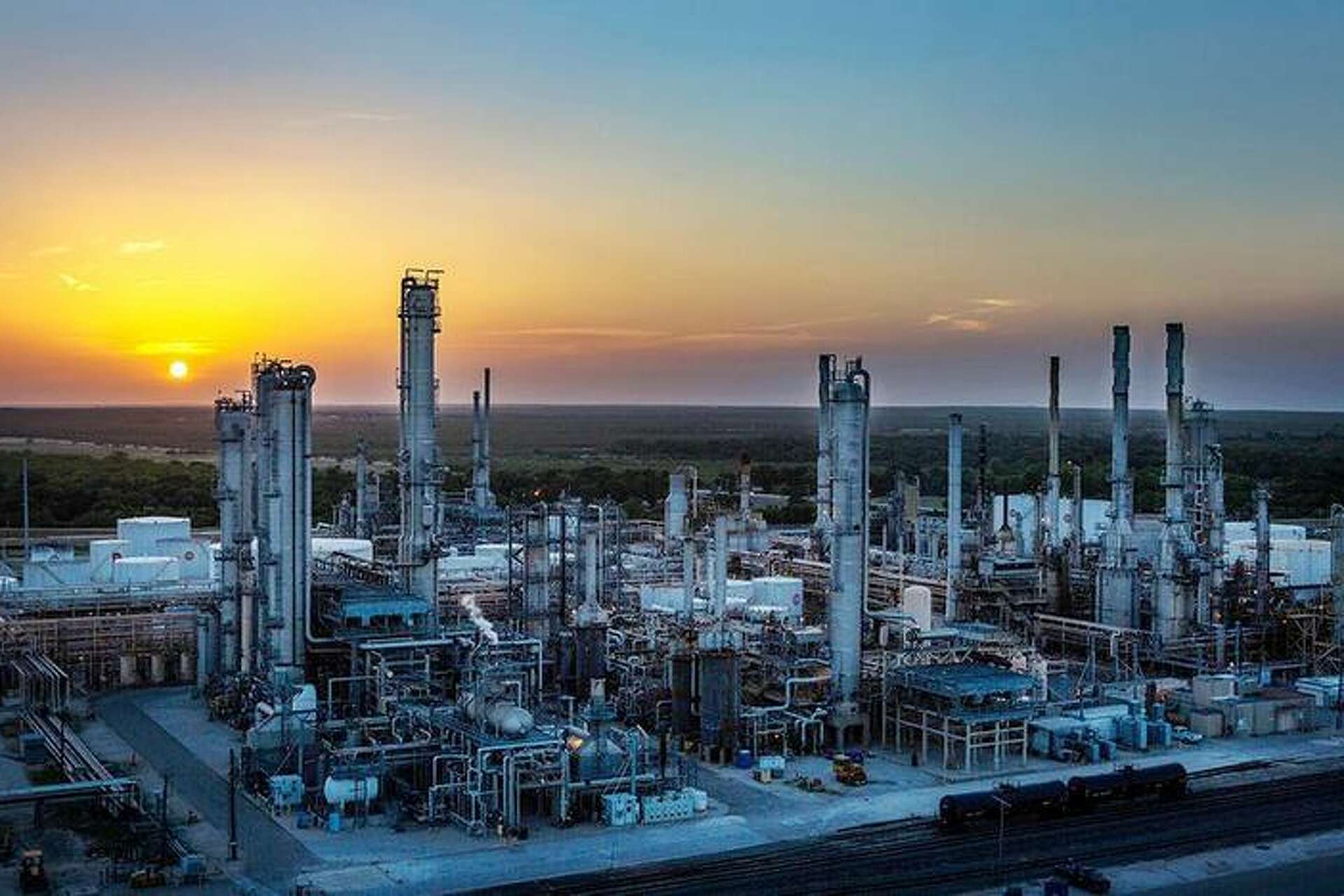
That claim arrived less than two days after the fire itself. In a separate Reuters report on the incident and Valero’s filing to the Texas Commission on Environmental Quality, the company said a release of process fluid in Complex 2 triggered an ignition event and multiple unit upsets, forcing the shutdown of the 47,000-barrel-per-day Unit 243 diesel hydrotreater and a long list of related refinery units.
City officials responded with an immediate shelter-in-place order for areas west of Stilwell Boulevard and south of Highway 73, including Sabine Pass and Pleasure Island, while emergency crews worked the scene.
Investigators have also tried to tamp down speculation about the cause. In a Reuters report citing the Jefferson County Sheriff’s Office, officials said they found no evidence the explosion was an intentional act, even as rumors spread online after the blast rattled homes miles away.
By late Wednesday, Valero had begun restarting unaffected units at the refinery, according to people familiar with plant operations cited by Reuters. The damaged diesel hydrotreater was expected to remain offline for repairs while the rest of the site was brought back cautiously.
Valero refinery explosion lawsuit says blast was preventable
The filing draws a clear contrast between the worker’s allegations and Valero’s initial description of the event. The company’s notice to state regulators framed the explosion as a process-fluid release that triggered an ignition and wider upsets. Jaimes’ lawsuit argues the incident was avoidable and tied to maintenance and safety failures that should have been addressed before the unit erupted.
That distinction is likely to matter as the case develops. Refinery lawsuits often hinge on whether an upset was truly unforeseeable or whether earlier warning signs were missed, deferred or ignored. In this case, the dispute is likely to focus on what Valero knew about the condition of the unit, what safeguards were in place and whether workers outside the immediate task area were adequately protected when the blast hit.
The suit also changes the public record around the incident. Early official updates said no injuries had been reported, but the lawsuit now says at least one worker was hurt badly enough to bring a seven-figure claim tied to the explosion.
Valero refinery explosion lawsuit adds to a longer Port Arthur timeline
The Port Arthur refinery has dealt with significant disruptions before, which helps explain why this new case will draw close scrutiny. In April 2023, Reuters reported Valero was starting up a new coker at the site while also struggling to restart a gas oil hydrotreater after a fire and another flare-up during startup. Earlier, Reuters reported a June 2021 fire at the refinery that shut a 45,000-barrel-per-day hydrocracking unit. And during Hurricane Harvey in 2017, Reuters reported Valero shut major Port Arthur units as flooding crippled Gulf Coast refining.
Those earlier disruptions do not establish what caused this week’s blast, and they do not prove liability in Jaimes’ case. They do, however, show why unit reliability, startup procedures and emergency response will likely remain central questions as lawyers, regulators and company officials sort through what happened.
For now, the lawsuit ensures that the March 23 explosion will be examined on two tracks at once: the technical question of what failed inside the refinery and the legal question of whether the blast was an unavoidable upset or a preventable one.