
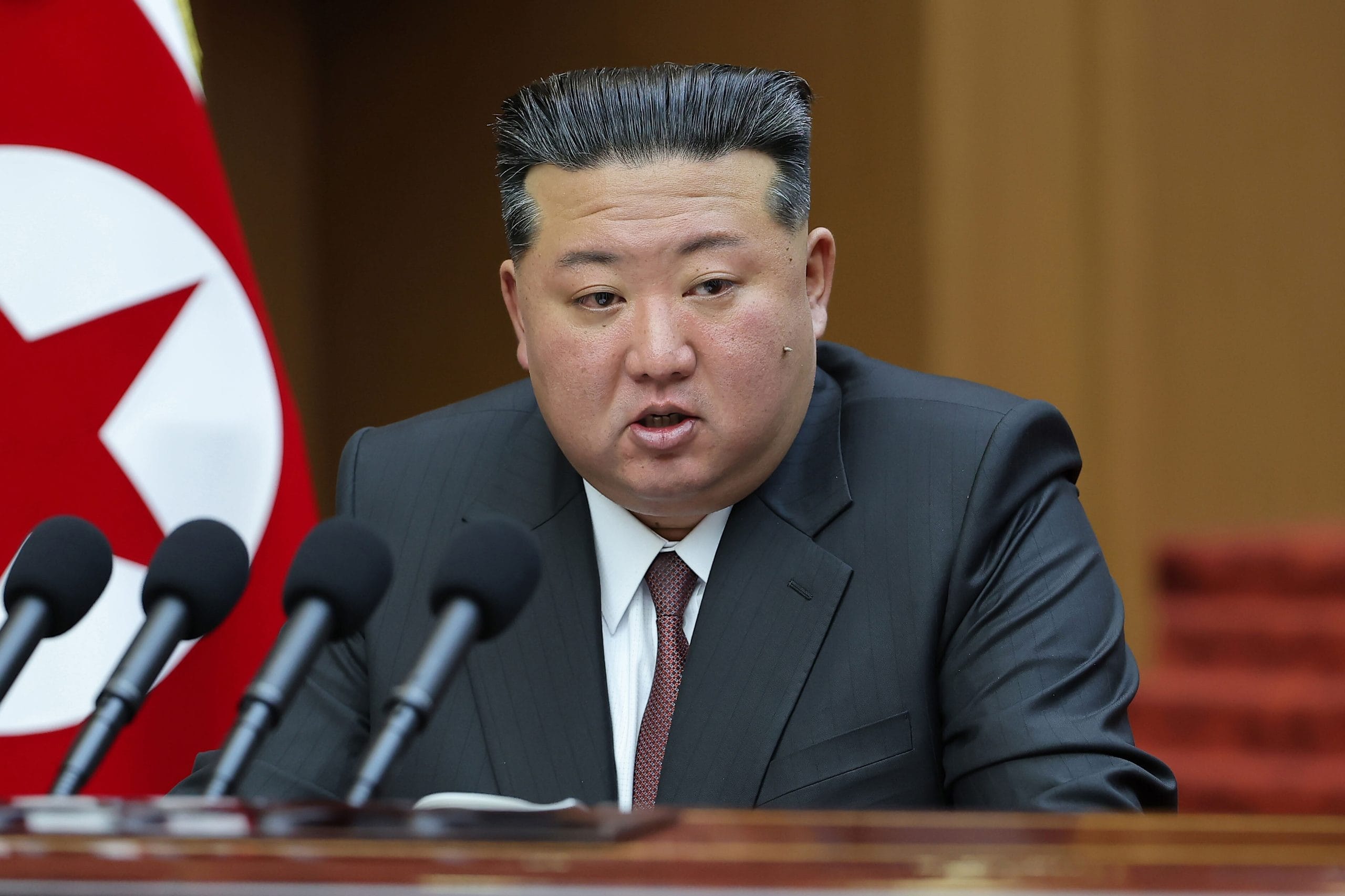
Chinese President Xi Jinping’s upcoming trip to North Korea has emerged as one of the most closely watched diplomatic developments in Asia this year, highlighting a rapidly evolving regional power dynamic as North Korean leader Kim Jong Un projects growing confidence in his nuclear program and deepening relationship with Russia.
The visit, scheduled for June 8-9, marks Xi’s first trip to Pyongyang in nearly seven years and comes at a time when North Korea appears increasingly willing to challenge international pressure while balancing its strategic ties between Beijing and Moscow. According to multiple reports, the summit is expected to focus on strengthening bilateral cooperation, regional security, economic engagement and the future of China-North Korea relations amid shifting geopolitical realities.
Xi Jinping North Korea Visit signals a changing balance of influence
Beijing and Pyongyang have spent recent years navigating a more complicated relationship than in previous decades. While China remains North Korea’s largest trading partner and most important economic lifeline, Kim’s growing partnership with Russian President Vladimir Putin has introduced a new layer of strategic flexibility for Pyongyang.
Analysts say the Xi Jinping North Korea Visit reflects Beijing’s desire to reaffirm its influence over its longtime ally after North Korea significantly expanded military and political cooperation with Russia following Moscow’s war in Ukraine.
Chinese officials confirmed that Xi will meet Kim Jong Un during the two-day state visit, with both sides expected to discuss bilateral relations and broader regional issues. Recent reporting suggests Beijing sees the visit as an opportunity to deepen ties while preventing North Korea from drifting too far into Russia’s orbit.
Reuters reported that the summit comes as China seeks to reinforce its alliance with North Korea while navigating concerns about Pyongyang’s increasingly close relationship with Moscow. According to Reuters, Kim enters the talks from a position of greater confidence than in previous years thanks to expanding military capabilities and stronger Russian support.
Kim projects nuclear confidence ahead of the summit
Just days before Xi’s arrival, North Korea publicly reaffirmed its status as a nuclear-armed state and rejected renewed international calls for denuclearization.
Kim Yo Jong, the influential sister of Kim Jong Un, described denuclearization demands as unrealistic and emphasized that North Korea’s nuclear weapons program remains non-negotiable. Her comments followed recent disclosures about expanded uranium enrichment facilities and plans to significantly increase missile production.
The timing of those statements is widely viewed as deliberate. By showcasing military strength before welcoming China’s leader, Pyongyang appears eager to demonstrate that its strategic position has changed dramatically since Xi’s last visit in 2019.
Experts note that North Korea no longer appears interested in pursuing the type of denuclearization negotiations that dominated diplomacy during the Trump-Kim summit era. Instead, Pyongyang increasingly seeks international acceptance as a permanent nuclear power while leveraging support from both China and Russia.
Russia ties strengthen Kim’s negotiating position
North Korea’s growing cooperation with Russia has become one of the defining geopolitical developments in Northeast Asia.
Over the past several years, Moscow and Pyongyang have significantly expanded military, political and economic engagement. That partnership has provided Kim with additional diplomatic leverage, reducing his dependence on Beijing and allowing him to approach negotiations with greater confidence.
Observers believe Xi’s visit partly reflects China’s effort to maintain relevance in Pyongyang as Russia’s influence grows. While China remains indispensable to North Korea economically, Russia has emerged as a valuable strategic partner capable of providing military cooperation and political support on the international stage.
The Associated Press reported that Beijing is increasingly concerned about preserving its influence while North Korea strengthens ties with Moscow and positions itself within an emerging bloc of countries opposed to Western pressure. AP analysis noted that Xi’s visit offers China an opportunity to reassert its role in shaping regional security discussions.
Economic cooperation likely high on the agenda
Beyond security issues, economic cooperation is expected to feature prominently during the summit.
North Korea continues to face economic challenges stemming from sanctions, border restrictions and years of limited international engagement. Chinese tourism, cross-border trade and infrastructure cooperation could provide important opportunities for economic recovery as Pyongyang gradually reopens after years of pandemic-related isolation.
Chinese and North Korean officials are reportedly exploring avenues for increased economic interaction, particularly in border regions where commercial ties have historically played a crucial role in sustaining North Korea’s economy.
Regional experts cited by the Center for Strategic and International Studies suggest that the summit could produce new agreements aimed at boosting practical cooperation while reinforcing political trust between the two governments. A recent CSIS assessment described the visit as an important step in recalibrating bilateral relations after years of disruption.
How this visit compares with previous Xi-Kim diplomacy
The upcoming summit inevitably draws comparisons to Xi’s last visit to North Korea in June 2019, when diplomacy surrounding North Korea’s nuclear program dominated international headlines.
At that time, Beijing sought to position itself as a central player in negotiations involving Pyongyang, Washington and Seoul. The geopolitical environment today is markedly different.
North Korea has expanded its missile and nuclear capabilities, Russia has become a much more significant partner, and diplomatic engagement with the United States remains largely frozen.
For historical context, Xi’s 2019 trip was widely viewed as an effort to support North Korea ahead of major diplomatic discussions involving Washington. A Reuters report from that period highlighted how Beijing sought to maintain influence over developments on the Korean Peninsula during a critical phase of denuclearization talks. Meanwhile, contemporaneous analysis from CSIS examined how China viewed North Korea as both a strategic buffer and an essential component of regional stability. Those earlier assessments underscore how dramatically the diplomatic landscape has changed since Xi’s last visit.
Regional implications extend beyond China and North Korea
The summit will be closely monitored by South Korea, the United States, Japan and Russia, all of which have significant interests in the outcome.
For South Korea, the visit raises questions about whether Beijing can play a constructive role in reducing tensions on the Korean Peninsula. For Washington, it highlights the challenge of dealing with a North Korea that appears increasingly emboldened and less isolated than in previous years.
At the same time, the meeting reinforces China’s desire to remain a central actor in regional diplomacy despite intensifying strategic competition with the United States.
According to reporting from regional and international media, Xi’s visit represents more than a symbolic display of friendship. It reflects an effort to reshape strategic relationships at a moment when North Korea is asserting greater independence and leveraging stronger ties with both Beijing and Moscow. Al Jazeera reported that the visit comes specifically as China seeks to strengthen relations with Pyongyang amid North Korea’s growing partnership with Russia.
Whether the summit produces major policy announcements remains uncertain. What is clear is that the Xi Jinping North Korea Visit marks a significant moment in Northeast Asian diplomacy, reflecting both China’s strategic priorities and Kim Jong Un’s growing confidence as he navigates an increasingly complex geopolitical landscape.
Additional reporting from regional observers suggests the visit may ultimately be remembered less for immediate agreements and more for what it reveals about the evolving balance of power among China, North Korea and Russia. Analysis published by The Diplomat argues that the summit highlights the emergence of a deeper three-way alignment that could influence security calculations across the Indo-Pacific for years to come.