

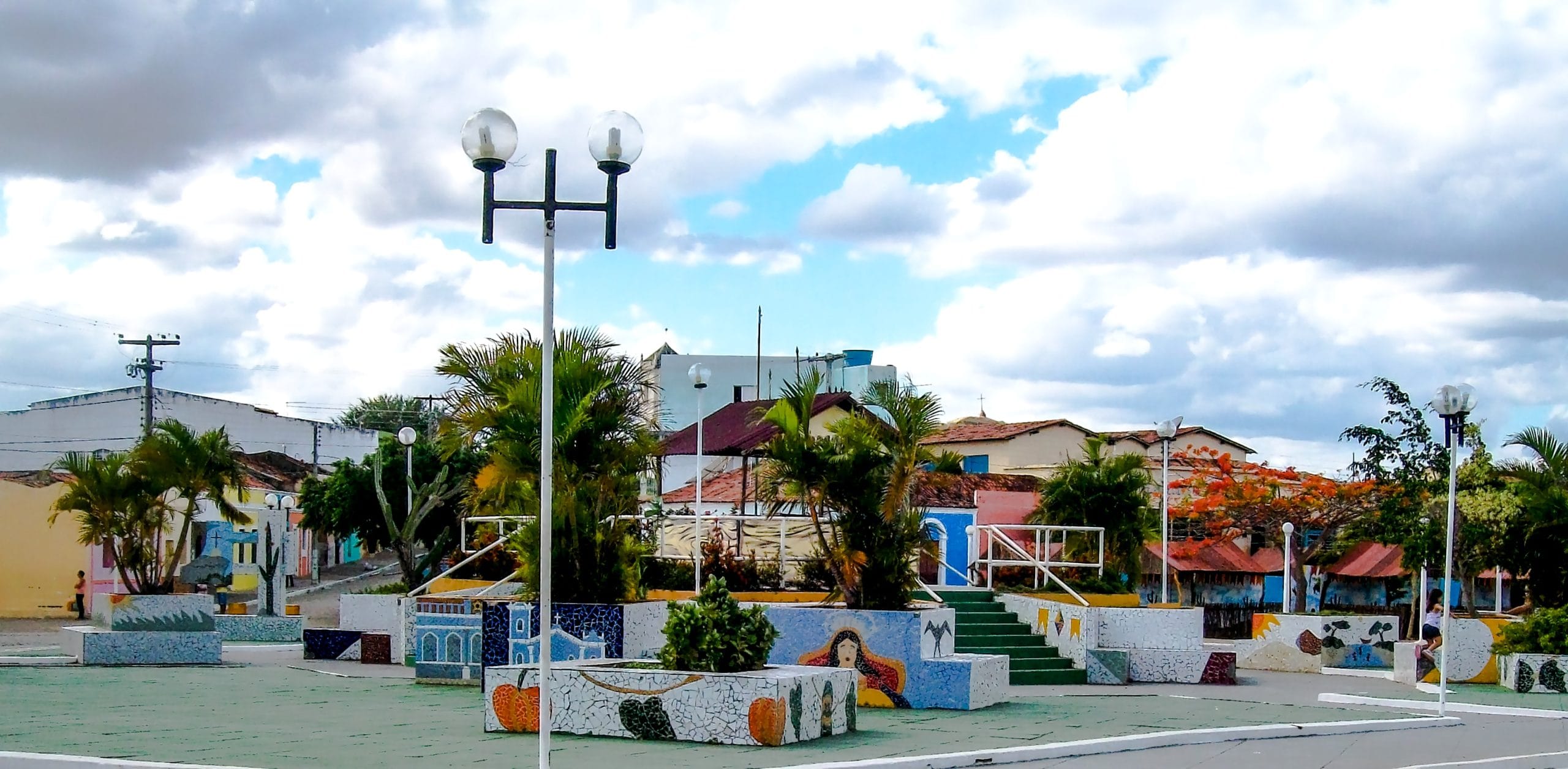
CABACEIRAS, Brazil — Once a dusty outpost in Brazil’s semiarid northeast, this film-obsessed town has parlayed more than 50 movie and TV shoots into a booming tourism brand, local officials say. Marketed as the “Roliúde Nordestina,” Cabaceiras is now attracting tour buses, influencers, and international media coverage off the back of its drought-hardened landscapes and famous film sets, tourism officials said, Dec. 8, 2025.
Cabaceiras, the ‘Roliúde Nordestina’
Home to about 5,000 residents in Paraíba’s Cariri region, Cabaceiras sits in what state agencies and rural-development programs describe as Brazil’s driest municipality, with annual rainfall so low that skies stay nearly cloudless most of the year — ideal conditions for long shooting days, but also a reminder of the town’s tough drought cycles. Production-services firm Story Productions has produced more than 50 Brazilian films, series and commercials here since 1929, from Guel Arraes’ classic “O Auto da Compadecida” to festival favourites such as “Cinema, Aspirinas e Urubus” and, more recently, the Amazon series “Cangaço Novo.”
To lock in that reputation, the city launched the Roliúde Nordestina project in 2007, betting on film and tourism to diversify its fragile rural economy. The initiative created an 80-meter-long hillside sign spelling “Roliúde Nordestina” and a small cinematic memorial downtown, turning Cabaceiras into an open-air backlot that greets visitors the moment they leave the highway — a strategy the municipality highlights on its own tourism page dedicated to the Roliúde Nordestina sign and film memorial.
From film set to visitor itinerary
What began as a quiet location choice for directors is now a mapped film route. City tourism officials have divided Cabaceiras into themed circuits — lajedo rock formations, historic centre, leather workshops and a dedicated cinematic route that includes the church square and bars used in “O Auto da Compadecida” and other productions. Tourism director Mércia Francielle Vieira de Farias has called Lajedo de Pai Mateus “sem dúvida, o maior ponto turístico da cidade” — without doubt the town’s top attraction — as visitors hike among boulders and watch the sun set over the caatinga scrub.
Private operators have moved quickly to package the boom. From João Pessoa, day-trip companies now sell experiences such as guided excursions that pair Cabaceiras’ movie locations with the Lajedo de Pai Mateus, pitching the town as both a film pilgrimage and an ecotourism escape. Travel guides and mapping platforms describe Cabaceiras as a year-round film-tourism hub, noting that its desert-like scenery, colourful colonial streets and cinema museum have become staples on regional itineraries, especially during the three-day Festa do Bode Rei goat festival each June.
Researchers say Cabaceiras also illustrates the limits of using the “creative city” playbook in small, drought-prone towns. A 2021 study in the International Journal of Cultural Studies found that while the Roliúde Nordestina project boosted visibility and brought waves of crews and tourists, structural challenges — from limited infrastructure to dependence on intermittent productions — have so far kept it from becoming a fully fledged creative hub. Film-tourism scholars argue that Cabaceiras is now a key test case for how rural communities in the Global South negotiate the promises and pressures of screen-driven tourism.
Old dream, new spotlight
The current blockbuster buzz rests on more than two decades of slow-building fame. In 2017, travel outlet Catraca Livre published a feature calling Cabaceiras “the place every film producer loves”, noting how locals still swap stories from the first “Auto da Compadecida” shoot and how the town’s 18th-century facades feel permanently ready for another take. Two years later, the state tourism board’s Destino Paraíba guide cemented Cabaceiras’ status as an inland star, calling it the Brazilian city with the lowest rainfall and showcasing the new sign and museum as symbols of its cinematic reinvention.
Academics followed. In 2021, cultural-studies scholars Débora Póvoa, Stijn Reijnders and Emiel Martens published “A Brazilian Hollywood in the making?”, arguing that Cabaceiras’ film-led development strategy raised its profile but also exposed residents to the volatility of Brazil’s audiovisual sector and the uneven benefits of creative-city branding. Their interviews with extras, tour guides and officials show pride in the town’s screen fame mixed with concern over how to turn sporadic shoots into stable jobs.
This northern “Hollywood” is suddenly back under a global spotlight. In early December, New York Times correspondent Ana Ionova profiled the town in a feature headlined “Brazil’s Answer to Hollywood: A Sleepy Town of Dreams and Droughts,” a story widely summarised by regional outlets such as Paraíba Business. The piece highlighted how Cabaceiras’ extras now earn between US$30 and US$300 a day when productions arrive, even as climate change and new studio technologies — including LED volumes that allowed the 2024 sequel “O Auto da Compadecida 2” to recreate the town virtually in Rio de Janeiro, as detailed in a behind-the-scenes explainer from Chico Rei — threaten to move some filming away.
For now, Cabaceiras is betting that its goat festivals, lajedo sunsets and hand-painted house fronts will keep drawing both cameras and visitors. Whether the “Roliúde Nordestina” script delivers lasting prosperity or remains a cult hit will depend on whether this small Cariri town can turn cinematic magic into everyday livelihoods long after the crews pack up.


