

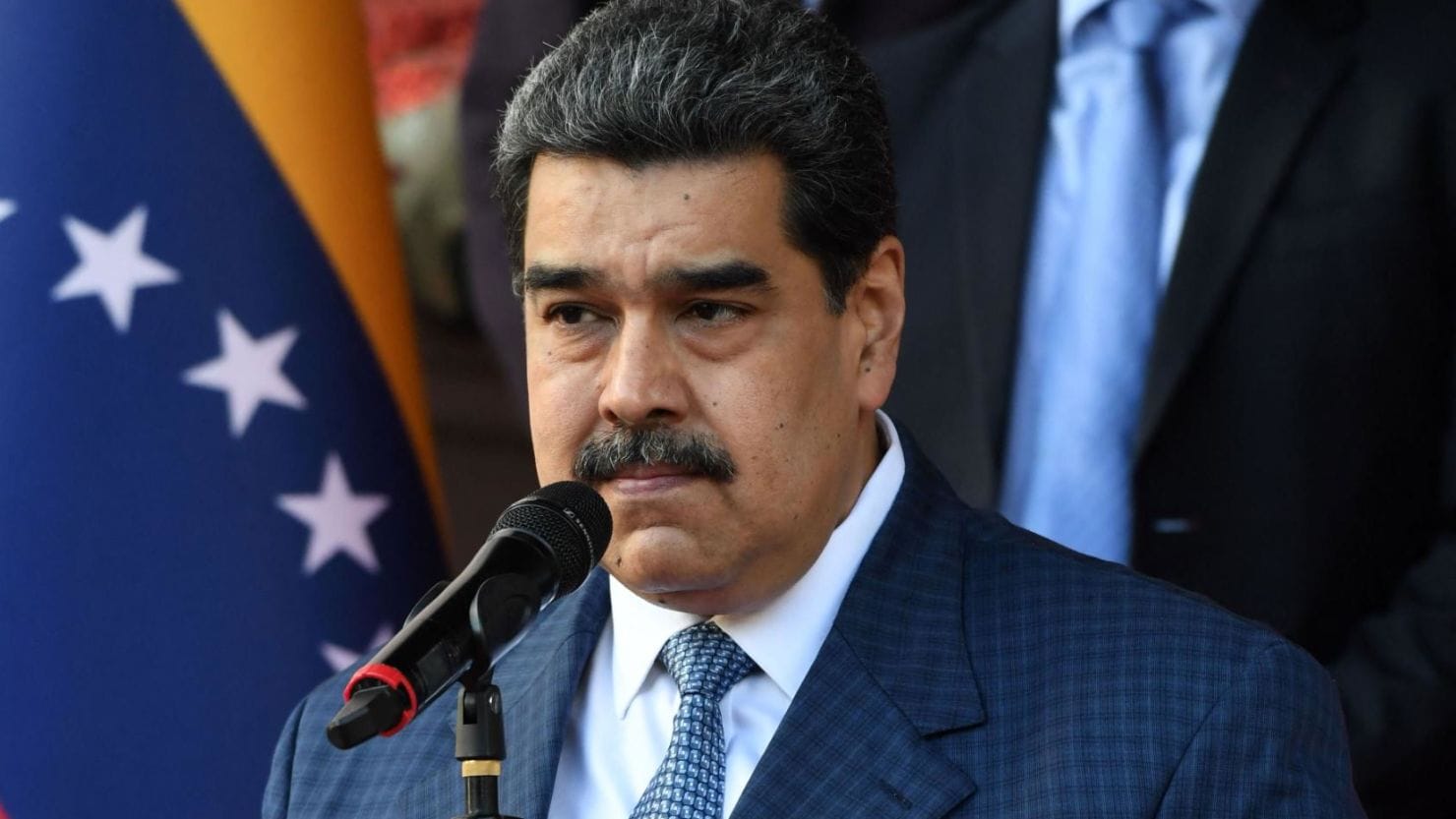
CARACAS, Venezuela — From a modest parish near the Caribbean coast, Jesuit Father Numa Molina has become one of President Nicolás Maduro’s closest confidants, using the pulpit and state media to defend the embattled socialist government even as Venezuela’s bishops warn of growing persecution. His rise as a trusted adviser to Maduro, celebrated by ruling-party loyalists and dismaying much of the Catholic hierarchy, is widening a long-running Church–state rift just as threats against outspoken clergy increase across the country, Dec. 8, 2025.
A priest in Maduro’s inner circle
Recent profiles in Catholic and secular media, including a recent English-language profile and a detailed National Catholic Register analysis, describe Molina, 68, as a parish priest in a working-class commuter town who celebrates private Masses for Maduro’s family, ferries messages to the Vatican and counsels the president’s son on outreach to Catholics. They address Maduro on a first-name basis, moving between televised homilies, presidential meetings and trips to Rome.
Long before he was counselling Maduro, Molina gained the trust of Hugo Chávez, whom he has praised as a kind of prophetic figure linking socialism and the Gospel. A 2019 Providence Magazine commentary already singled him out as one of the few openly pro-Maduro priests, noting that he led a religious ceremony at the inauguration of the pro-government Constituent Assembly and regularly denounced foreign “imperial” enemies from the pulpit. More recent analysis in a Caracas Chronicles investigation traces how chavismo has used dissident Catholic voices like Molina, steeped in liberation theology and active on social media, to counter the bishops’ moral authority while courting Evangelical pastors through separate patronage networks.
Maduro and the bishops are on a collision course.
The clash between Maduro and Venezuela’s bishops is not new. In 2014, the head of the bishops’ conference accused the government of “totalitarian” tendencies and “brutal repression” after security forces violently put down protests, according to a 2014 Reuters report. Three years later, a 2017 Crux story on the bishops’ meeting with Pope Francis described how the pontiff assured them of his “full trust,” undercutting Maduro’s efforts to claim the Vatican as an ally and strengthening the hierarchy’s resolve to denounce hunger, political prisoners and blocked elections.
Those warnings have only sharpened as the country’s crisis deepens. Catholic outlet Gaudium Press reported that, after the October canonisation of Venezuela’s first saints, priests who criticised the regime faced fresh threats, a major thanksgiving Mass in Caracas was abruptly cancelled amid fears it would be turned into a pro-Maduro rally, and Cardinal Baltazar Porras was blocked from travelling to celebrate Mass in a saint’s hometown.
In that fraught landscape, Molina functions as the regime’s Catholic counter-voice. The National Catholic Register analysis says Maduro calls him regularly for spiritual and political advice, while fellow Jesuits note that their own superior, Father Arturo Sosa, has publicly described Maduro as a dictator and urged a change of course. Bishops and priests who oppose the government complain that Molina’s weekly television show, fiery homilies and social projects in poor neighbourhoods give Maduro a veneer of pastoral concern even as security forces raid parishes and harass clergy.
What Molina’s rise means for Catholics under Maduro
For many ordinary Catholics, especially in barrios that still receive food, scholarships or clinics through Church–state partnerships, Molina’s closeness to Maduro can blur the line between the Gospel and the government. Some parishioners see a priest who secures hospitals and soup kitchens; others hear a preacher who defends a political project blamed by Church leaders for hunger, migration and rights abuses. As Venezuela’s crisis grinds on, Molina’s dual role — confessor to a president and pastor to the poor — ensures that the struggle over Maduro’s future will increasingly be fought not only in the streets, but also in the pews.


