

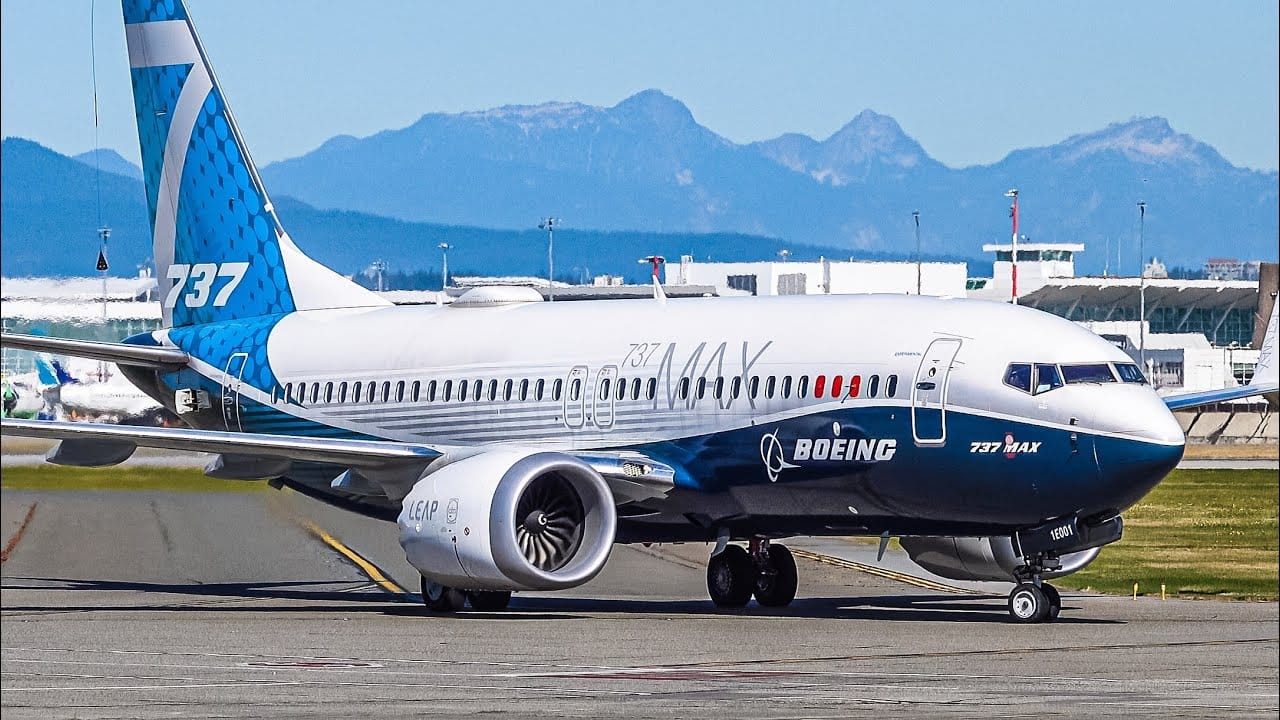
WASHINGTON — The Federal Aviation Administration’s top official said Wednesday the agency is not blocking certification of the Boeing 737 MAX 7 and the larger 737 MAX 10 as Boeing works to close out remaining safety and compliance tasks. FAA Administrator Bryan Bedford said the agency can support the effort with staff and oversight, but Boeing must complete the work required for approval, Jan. 21, 2026.
“I don’t think FAA is the roadblock on 7 and the -10 certification,” Bedford said in remarks reported by Reuters. Boeing did not immediately respond to a request for comment.
The comments come as the 737 MAX 10 has been cleared to start phase 2 flight testing under the FAA’s type inspection authorization process, according to a separate Reuters report. Aviation trade publication The Air Current reported Boeing began the second of two major flight-test phases earlier this month after FAA clearance shortly before the Christmas holiday.
Airlines are betting that momentum holds. Alaska Airlines said it is ordering 105 737-10s in its largest fleet order, extending deliveries through 2035 and signaling confidence the jet will clear certification in time to support long-term growth plans.
Boeing 737 MAX 7 certification: what the FAA is (and isn’t) promising
For Boeing, Bedford’s message is both a boost and a boundary. The FAA is signaling it has resources on the case, but it is also emphasizing that the Boeing 737 MAX 7 and MAX 10 will be judged on documented compliance — not revised schedules or customer pressure.
Bedford did not offer a timeline, and the FAA has repeatedly said safety will dictate certification decisions. Boeing has said it expects certification of the Boeing 737 MAX 7 and the MAX 10 in 2026, but neither the company nor the regulator has provided a precise month.
Everett “North Line” hiring points to MAX 10 assembly plan
While the flight-test effort advances, Boeing is also moving pieces into place in Everett, Wash. Boeing has begun hiring for the long-discussed “North Line,” a fourth 737 final-assembly line earmarked for the MAX 10, The Spokesman-Review reported. The job listings cited in that report indicate the new managers would start in Renton, Wash., before moving north.
The production plan is tied to geometry as much as regulatory timing. Boeing has said the MAX 10 is too long to be assembled efficiently on its existing Renton lines, making Everett central to the manufacturing strategy once the aircraft clears certification.
Why Boeing 737 MAX 7 approval has taken years
A central hurdle has been an unresolved engine anti-ice and de-icing issue affecting both the Boeing 737 MAX 7 and the MAX 10. In May 2024, Reuters reported Boeing was developing a permanent fix after regulators raised concerns the system could overheat in certain conditions.
Earlier in 2024, The Associated Press reported Boeing sought a time-limited exemption tied to the engine inlet anti-ice system to begin delivering the Boeing 737 MAX 7 while it worked on a long-term solution — part of a debate over whether interim procedures can substitute for a design change.
Those delays have been visible for years. In May 2023, Reuters reported a Boeing executive described Boeing 737 MAX 7 certification as taking a “considerable amount of time,” reflecting how post-crash oversight expanded documentation and testing requirements.
With phase 2 testing now underway for the MAX 10, the next milestones are whether Boeing can finish the anti-ice work and complete the certification record for the Boeing 737 MAX 7 — progress that will also help determine when the MAX 10 can move from test flights to production in Everett.


