

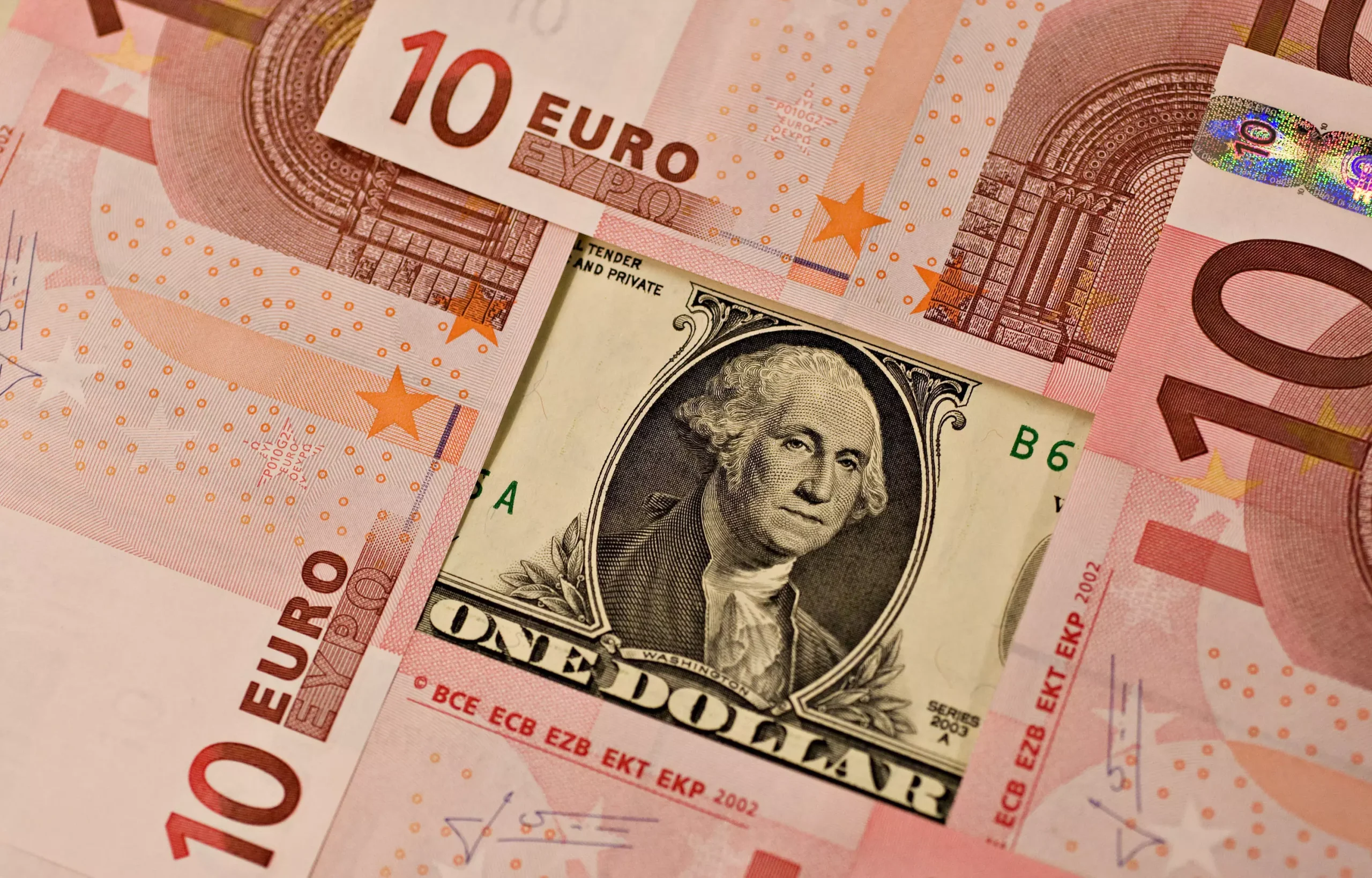
VIENNA, Austria — European Central Bank policymaker Martin Kocher on Monday urged European Union leaders to accelerate long-delayed financial reforms, arguing Europe needs sturdier markets if the euro is to be treated as a Euro safe haven. Kocher, governor of the Oesterreichische Nationalbank and a member of the ECB’s Governing Council, said the dollar’s retreat is forcing Europe to think more like a reserve-currency issuer, Feb. 9, 2026.
In a Reuters interview, Kocher said the euro is “becoming more of a safe haven currency,” and that Europe must be ready with crisis tools such as international repos and swap lines if global demand for euros surges during market stress.
Euro safe haven push meets the plumbing
Kocher pointed to the euro’s roughly 14% rise against the U.S. dollar over the past year, attributing the move to shaken confidence in Washington after erratic trade-policy signals and to renewed investor attention on higher European defense and infrastructure spending. He also noted U.S. officials have signaled little concern about dollar depreciation, a stance he said makes a quick reversal less likely.
For Europe, the opportunity comes with a constraint: global reserves remain dominated by the dollar, while the euro holds about a fifth of the total. Kocher argued that if reserve managers keep diversifying, Europe will need deeper bond markets, stronger cross-border financing channels and clearer crisis backstops to keep volatility from spilling into banks and sovereign debt.
Euro safe haven tools: repo lines and swap networks
The ECB is already working on the liquidity side. It is preparing to broaden access and improve terms for its euro liquidity backstop — a set of repo facilities used by foreign central banks to borrow euros against euro-denominated collateral — according to a Reuters report citing sources familiar with the discussions.
Kocher said the bloc does not set out to replace the dollar, but “might be forced” into a larger role, making preparation for cross-border liquidity support part of Europe’s financial-stability mandate. He also said the ECB’s current monetary-policy stance remains compatible with its inflation objective, and that a material change in the outlook would be needed before reopening a debate about adjusting policy.
Lagarde’s checklist and the next political test
Kocher’s warning dovetails with a push by ECB President Christine Lagarde to raise pressure on governments. Lagarde is expected to hand EU leaders a reform “checklist” at a Feb. 12 retreat, highlighting projects such as a savings and investment union, the digital euro and steps to deepen the single market, according to another Reuters report.
Eurozone finance ministers will take up similar themes Feb. 16. A European Commission paper, obtained by Reuters, urges measures to strengthen the euro’s global role — including euro-denominated stablecoins, a bigger pool of joint EU debt and reforms aimed at mobilizing savings for investment. The euro is used by 21 of the EU’s 27 member states.
Continuity: a long-running campaign
Europe has been here before, in different form. During the 2012 euro crisis, then-ECB President Mario Draghi vowed the central bank would do “whatever it takes” to preserve the currency in a London speech.
Years later, the European Commission argued in 2018 for a stronger international role for the euro, framing it as a way to improve Europe’s economic resilience. The ECB’s research has repeatedly returned to the same bottlenecks, including market depth and the supply of high-quality euro assets, including in its 2021 review of the euro’s global role.
Kocher’s message now is blunt: if the euro is increasingly treated as a Euro safe haven, Europe must build the institutions — and the market “plumbing” — that safe-haven currencies require, or risk being unprepared when the next global stress test hits.


