

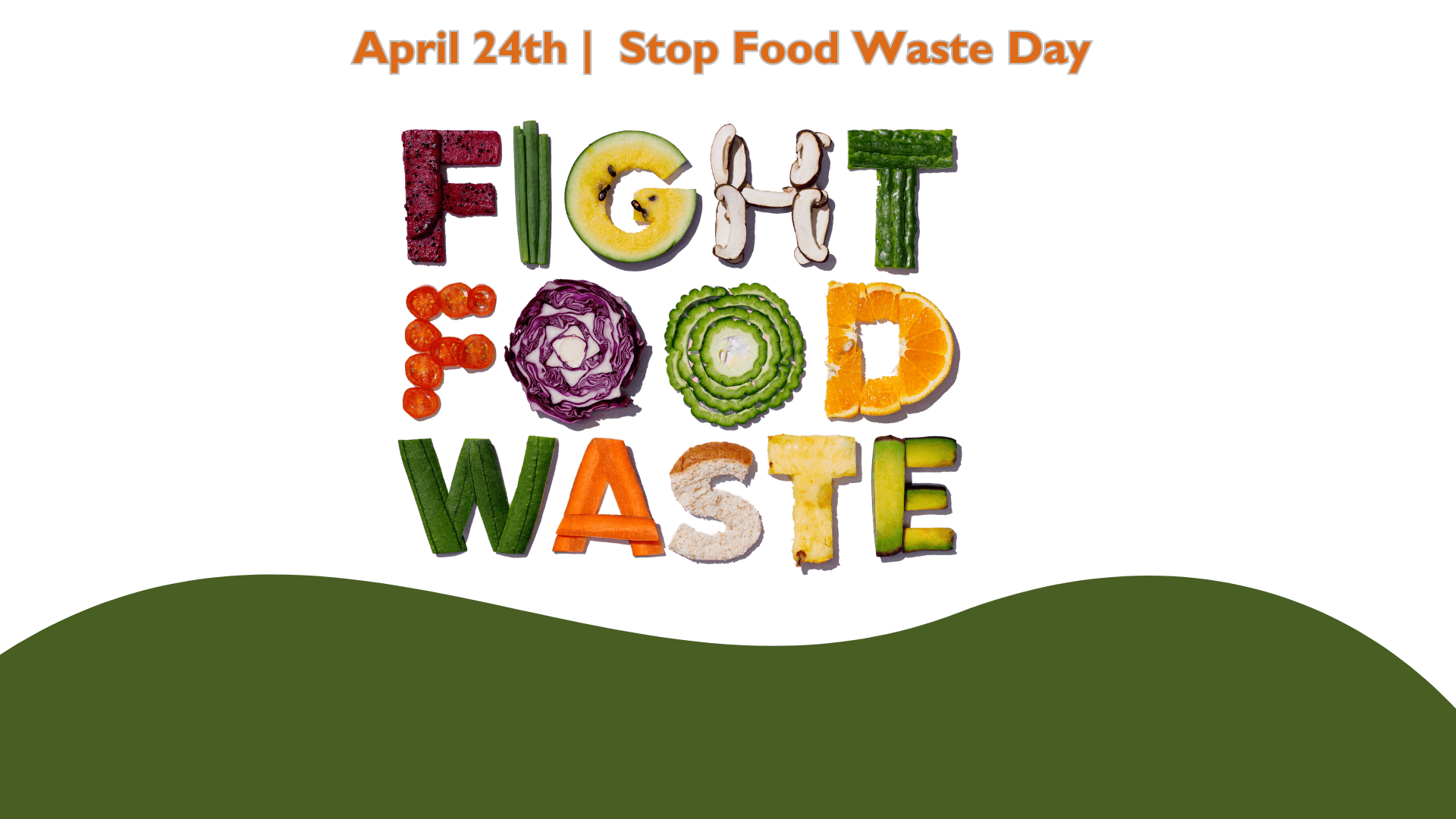
CHARLOTTE, N.C. — Stop Food Waste Day 2026 is set for Wednesday, April 29, as organizers mark the campaign’s 10th edition and press households, schools, chefs and food businesses to treat food waste as both a climate problem and a pocketbook issue. The annual observance, launched in 2017, arrives as fresh U.S. and global figures show the scale of waste remains enormous even as momentum for practical solutions is building, April 18, 2026.
Organizers describe Stop Food Waste Day as the largest single day of action focused on food waste, and a Charlotte celebration planned with Food Tank and Envision Charlotte is set to spotlight the kinds of solutions that keep edible food in kitchens and communities instead of landfills. That pairing of public awareness and real-world tactics is a big reason the 2026 campaign is landing with more force than a typical awareness day.
Why Stop Food Waste Day 2026 feels more urgent
The global backdrop is difficult to ignore. The United Nations Environment Programme said households worldwide wasted more than 1 billion meals a day in 2022 even as 783 million people faced hunger. Those numbers help explain why food waste is no longer being framed as a side issue: it sits at the intersection of food insecurity, resource use and climate pressure.
The U.S. picture is also sobering. ReFED’s 2026 U.S. Food Waste Report said surplus food in 2024 totaled 70 million tons, or about 29% of the nation’s food supply. ReFED valued that surplus at $380 billion and said consumers spend an average of $762 per person each year on food that ultimately goes to waste. The report also said just under 13% of food that could be donated actually was, underscoring how much room remains for recovery efforts.
Stop Food Waste Day 2026 turns awareness into everyday action
What gives the campaign staying power is its emphasis on repeatable behavior, not one-day symbolism. For households, that means shopping with a plan, storing food better, freezing ingredients sooner, using leftovers creatively and understanding date labels well enough to avoid tossing food that is still usable. For food-service operators, it means better forecasting, sharper inventory control, smarter portioning, stronger donation networks and tighter waste tracking.
There is also evidence that this approach can work. ReFED said total surplus food in the United States fell 2.2% from 2023 to 2024, a modest but meaningful shift that suggests better habits, clearer measurement and stronger operational systems can deliver real movement. That is the core promise behind this year’s message: collective action only matters if it changes daily decisions at scale.
Stop Food Waste Day 2026 builds on a longer arc
The campaign’s current tone also makes more sense when viewed over time. Waste360 reported in 2018 that the second annual observance was already leaning on chef demonstrations and companywide events to move the issue from abstract concern to visible action. Four years later, a 2022 campaign update showed the effort expanding into digital cookbooks, community events and practical guidance built around ingredients that are commonly thrown away.
That continuity matters because it makes Stop Food Waste Day 2026 feel less like a fresh branding exercise and more like a maturing movement. The campaign has had time to widen its audience, sharpen its methods and connect the moral case against waste with a business case and a household budget case.
For this 10th edition, the real measure of success will not be how many people post about food waste for a day. It will be whether more edible food is used, donated or repurposed before it becomes trash, and whether more people treat waste reduction as a habit rather than a slogan. If that happens, Stop Food Waste Day 2026 will have done more than raise awareness; it will have helped normalize action.


