

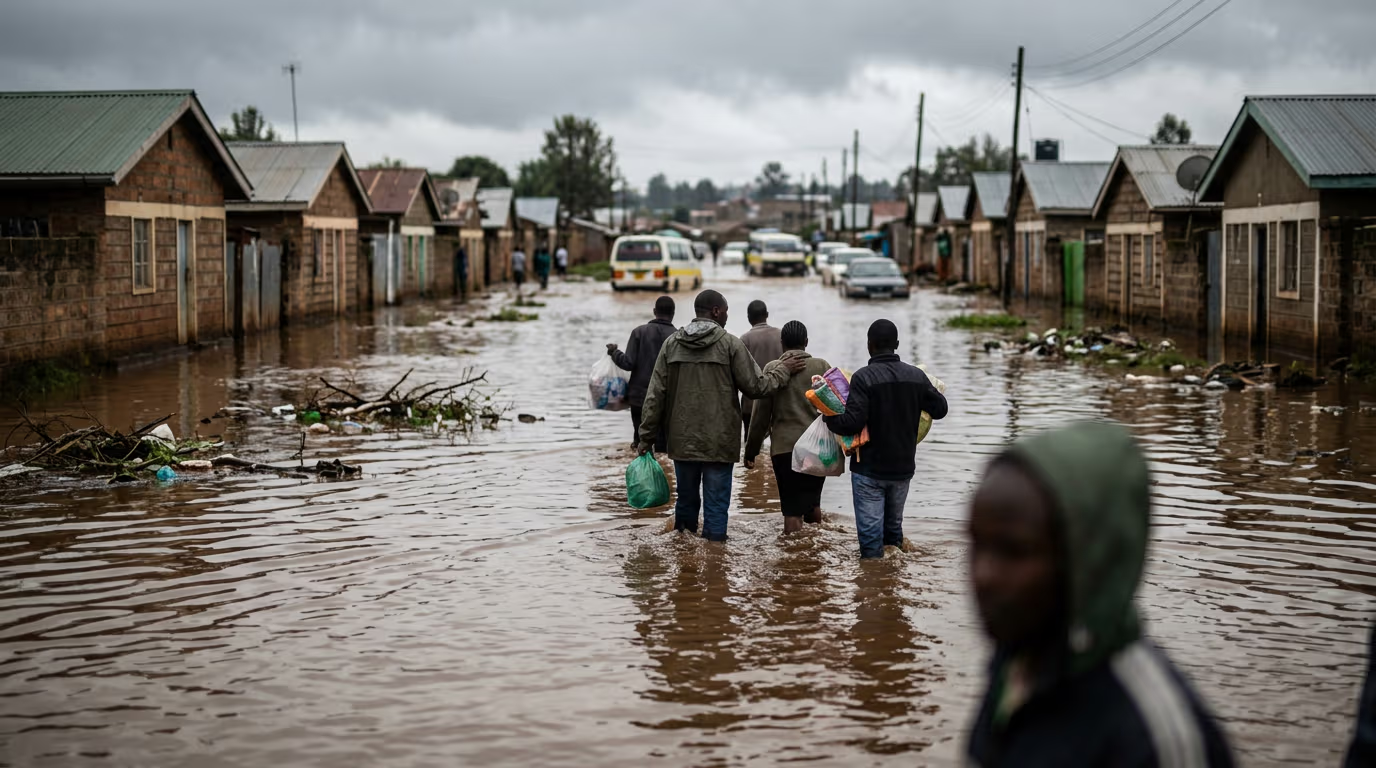
Soldiers, aid workers and emergency crews were deployed as the Nairobi River burst its banks, roads disappeared under water and officials warned the toll could rise, according to a Reuters report from Nairobi. President William Ruto said emergency responders had been mobilized and relief food would be released to affected families.
Nairobi floods disrupt flights, roads and power
The transport shutdown spread quickly across the capital. Kenya Airways said some flights were diverted to Mombasa and others were delayed after the heavy downpour hit Nairobi and its surroundings, adding to hours of gridlock on major roads and in low-lying neighborhoods.
The danger had been building for days. Kenya’s weather office had already issued a heavy rainfall alert warning that rain would intensify between March 4 and 7, with the advisory running through March 9, and urging residents to avoid moving water, open fields and other high-risk areas.
Flooding also knocked out parts of the power network. Local reporting on damage at the South C substation said water entered the facility after part of a boundary wall collapsed, disrupting electricity supply in several Nairobi neighborhoods. The Associated Press reported more than 100 vehicles were damaged and said some victims died from drowning while others were electrocuted.
Nairobi floods echo last year’s wider Kenya disaster
This latest emergency revived painful memories of the 2024 rainy-season crisis. Reuters reported that Kenya’s military was deployed during major flooding in Nairobi and across East Africa in April 2024, and days later the same outlet said the broader emergency had pushed Kenya’s national flood death toll to 228.
For Nairobi residents and officials, the latest inundation again highlighted how blocked waterways, fragile infrastructure and dense housing near flood-prone rivers can turn a night of heavy rain into a citywide emergency.
With more rain still possible, pressure is now likely to intensify on county and national officials to clear drainage channels, protect vulnerable communities and improve early-response systems before the long-rains season deepens.


