

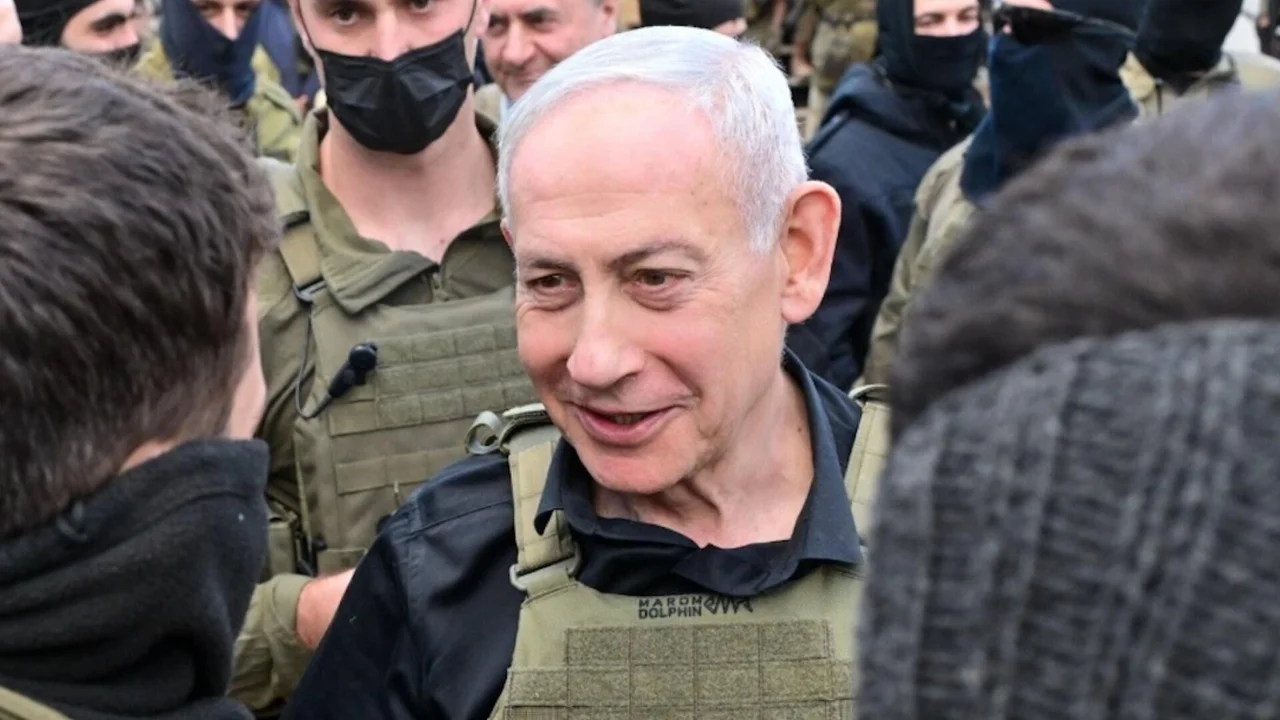
Washington brokered the initial 10-day truce to halt the latest round of Israel-Hezbollah fighting and open a path toward direct Israel-Lebanon negotiations. But the deal became more explosive after Trump said Israel was “PROHIBITED” from bombing Lebanon and declared, “Enough is enough,” according to a Reuters report on Trump’s warning.
Lebanon ceasefire tests U.S. leverage over Netanyahu
The public nature of Trump’s ultimatum mattered as much as the wording. Netanyahu has long insisted Israel must retain freedom to act against Hezbollah’s rockets, drones and border infrastructure. Trump’s message, however, appeared to move the dispute from private diplomacy into public pressure, forcing Netanyahu to explain the pause to Israelis while avoiding a direct clash with the White House.
That pressure was felt quickly in Jerusalem. Axios reported that Netanyahu and his advisers were shocked by Trump’s post and sought clarification from the White House because the statement appeared to go further than the written ceasefire terms. The episode exposed the central tension in the agreement: Israel says it must defend itself, while Washington wants an immediate stop to offensive operations in Lebanon.
The ceasefire text gives both sides a framework but not a settlement. Israel and Lebanon agreed to a 10-day cessation of hostilities starting April 16, with the possibility of extension by mutual agreement, while Lebanon is expected to prevent Hezbollah and other non-state armed groups from attacking Israeli targets, according to Reuters’ account of the U.S. State Department’s ceasefire summary.
Why the Lebanon ceasefire remains fragile
The truce faces three immediate risks: Hezbollah has not been disarmed, Israeli forces remain focused on threats in southern Lebanon and the Lebanese state must prove it can assert authority in areas where Hezbollah has long operated. Netanyahu has tried to frame the pause as a strategic opening rather than a retreat, with The Times of Israel reporting that he described the road to peace as long but begun.
The ground reality is already testing that optimism. A French U.N. peacekeeper was killed and three others were wounded in southern Lebanon after the ceasefire began, an incident that France and UNIFIL blamed on Hezbollah, while the group denied involvement, according to The Associated Press report on the UNIFIL attack. The killing underscored how quickly a limited truce can be shaken by non-state actors, local firefights and competing claims of self-defense.
Older ceasefire attempts show the same unresolved problem
This Lebanon ceasefire is not emerging in a vacuum. The diplomatic template reaches back to U.N. Security Council Resolution 1701, adopted after the 2006 Israel-Hezbollah war, which called for security arrangements in southern Lebanon and a larger role for the Lebanese state, a history explained in AP’s 2024 explainer on Resolution 1701.
Lebanese leaders have repeatedly said they are willing to revive that formula. In September 2024, then-caretaker Prime Minister Najib Mikati said Lebanon was ready to implement Resolution 1701 and deploy the army south of the Litani River, according to Reuters’ report on Lebanon’s 1701 pledge. The difficulty has always been turning that promise into control over Hezbollah’s weapons and military positions.
The same gap weakened the previous truce. A U.S.- and France-brokered ceasefire in November 2024 called for Israel to withdraw gradually as Lebanon’s army took control near the border, according to Reuters’ coverage of the 2024 Israel-Hezbollah ceasefire. That agreement was presented as a path to a lasting halt, but the current crisis shows how quickly the old questions returned.
What Trump’s ultimatum changes
Trump’s intervention changes the political equation by making U.S. patience a public constraint on Israel’s next move. Netanyahu can still argue that Israel retains a right to self-defense, but the White House has made clear that renewed bombing would carry diplomatic costs. That is why the ultimatum forces Netanyahu’s hand: it narrows the space between military pressure on Hezbollah and the American demand for a visible halt.
For Lebanon, the challenge is just as severe. A ceasefire that depends on Beirut’s authority requires the Lebanese government and army to do what years of diplomacy have failed to accomplish: keep Hezbollah from deciding when the border burns. If Lebanon cannot show progress, Israel will argue that its security concerns remain unanswered. If Israel strikes again, Hezbollah will claim the truce was only a cover for continued pressure.
The Lebanon ceasefire is therefore less a peace deal than a countdown. Ten days may be enough to prove that Washington can restrain Israel, that Netanyahu can sell restraint at home and that Lebanon can begin asserting control in the south. It is also short enough for one attack, one misread patrol or one disputed strike to collapse the whole arrangement.


