

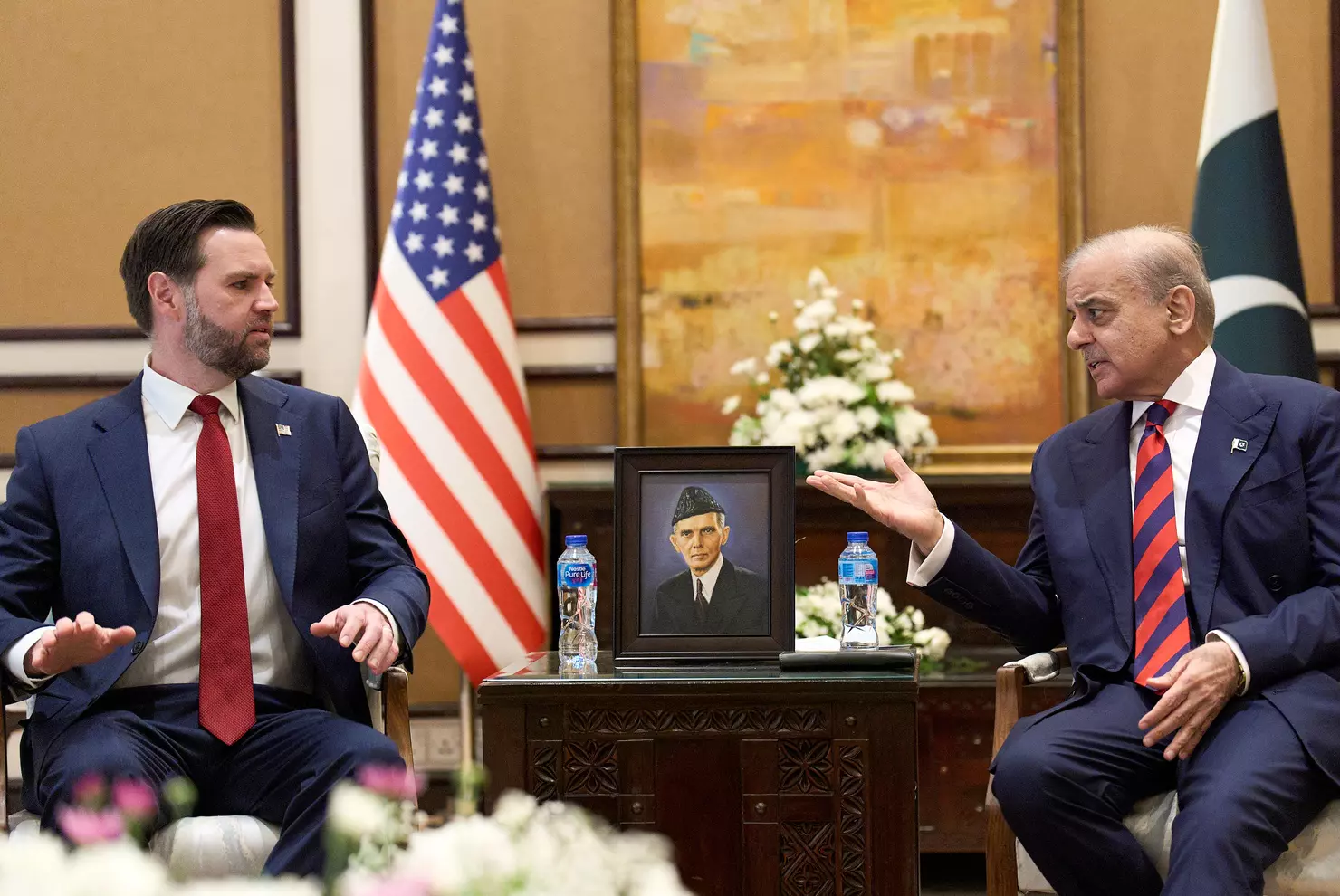
ISLAMABAD — Iran peace talks stalled Monday in Pakistan after Tehran rejected a second round with the United States, citing Washington’s demands and a continuing naval blockade. The setback narrowed the path for mediators trying to keep a fragile cease-fire alive while the sides remain divided over the Strait of Hormuz and Iran’s nuclear program, April 20, 2026.
Iran’s state-run IRNA news agency said Tehran would not join the next round, saying in a report published by Xinhua that U.S. demands, shifting positions and the blockade had prevented progress. IRNA also denied reports that a second Islamabad meeting had been settled, saying there was no clear path to productive talks under current conditions.
The diplomatic confusion followed President Donald Trump’s announcement that U.S. negotiators would return to Pakistan. But The Associated Press reported that neither Pakistan nor Iran had confirmed the new round hours after Trump’s statement, even as Pakistani officials continued calls with Tehran.
Iran peace talks hit a blockade dispute
Washington has described the blockade as targeted at Iranian port traffic, not ordinary navigation through the Strait of Hormuz. In its April 12 announcement, U.S. Central Command said the measure applied to maritime traffic entering or leaving Iranian ports and coastal areas, while vessels traveling through the strait to non-Iranian ports would not be impeded.
The dispute escalated Sunday when Central Command said guided-missile destroyer USS Spruance (DDG 111) intercepted the Iranian-flagged cargo vessel Touska, disabled its propulsion after repeated warnings and put it in U.S. custody. The command said U.S. forces had directed 25 commercial vessels to turn around or return to an Iranian port since the blockade began.
For Tehran, that enforcement has turned procedural talks into a test of sovereignty. For Washington, the blockade is being used as leverage to force movement on shipping access and nuclear limits. Reuters reported that concern grew over whether the cease-fire would hold after the ship seizure and Iran’s vow to respond.
Why the standoff has years of history
The standoff fits a cycle that has hardened since the 2015 nuclear deal, when Iran and six major world powers agreed to restrictions on Tehran’s nuclear program in exchange for sanctions relief. The trust built into that agreement began unraveling after Trump withdrew the United States from the deal in 2018 and reimposed sanctions.
Efforts to restore diplomacy remained difficult even before this crisis. In 2021, Iran and the United States used indirect Vienna talks because Tehran rejected direct negotiations; the disputes then centered on which sanctions would be lifted and what nuclear steps Iran would reverse. That history makes the current blockade dispute more than a shipping issue: It is now tied to a broader argument over whether either side can trust the other to honor commitments.
What both sides want
U.S. officials are pressing for a deal that reopens shipping and limits Iran’s nuclear capacity. Iran says it will not negotiate under blockade or accept terms it views as coercive. The immediate result is a stalemate: The more Washington raises maritime pressure, the stronger Tehran’s stated reason for refusing the round becomes.
What comes next
Pakistan remains the most likely channel if talks resume, but the format may shift back to indirect messages unless the blockade question is addressed. A narrow understanding could still be possible if both sides agree to separate cease-fire enforcement from longer nuclear negotiations. Without that, the next phase may be less about a signed peace framework and more about preventing the cease-fire from collapsing.


