

Iran peace talks stall over nuclear demands and Hormuz
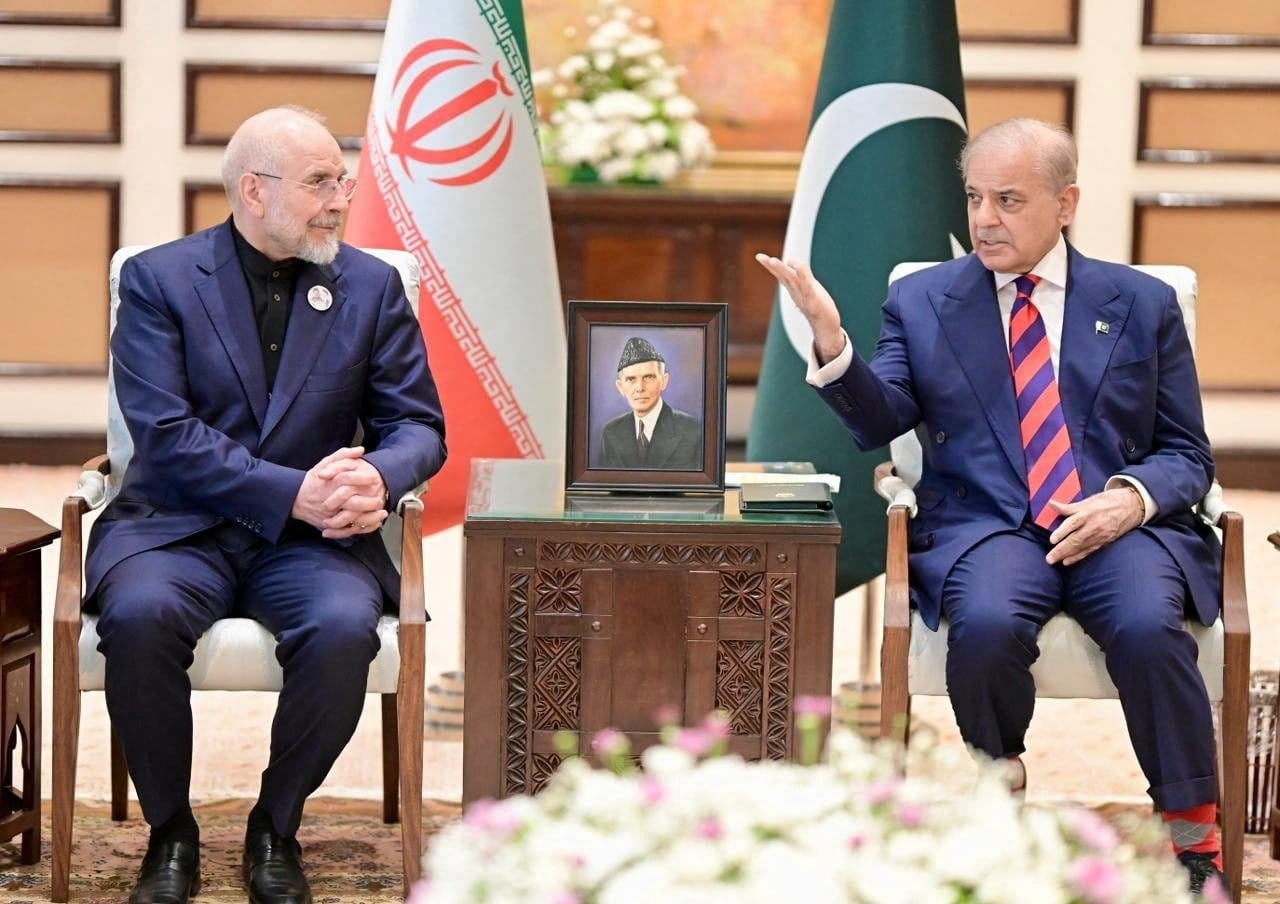
Tehran’s proposal, passed to Washington through Pakistani mediators, would end Iran’s chokehold on the strait if the U.S. lifts its blockade and ends the war, according to regional officials briefed on the offer. The plan would delay nuclear talks, leaving unresolved the issue Trump has described as central to the conflict: preventing Iran from developing a nuclear weapon.
That sequencing is the core problem. Trump is unhappy with the latest Iranian proposal because it would put nuclear questions behind ceasefire and shipping arrangements, a U.S. official told Reuters. Secretary of State Marco Rubio also signaled resistance to any narrow deal, saying, “We can’t let them get away with it.”
Putin backs Tehran as Washington weighs next move
Putin’s meeting with Araghchi added a new layer of pressure to the diplomacy. The Russian leader praised Iran and promised Russian support, saying Moscow would help efforts so that “peace is achieved as quickly as possible.”
Moscow’s backing does not remove Tehran’s immediate economic pressure, but it gives Iran diplomatic cover as Pakistan and Oman try to keep indirect channels open. It also complicates Washington’s effort to isolate Tehran while keeping pressure on the strait and the nuclear file at the same time.
Oil and humanitarian pressure build around the strait
The blockade is turning a diplomatic disagreement into a market shock. Oil prices rose nearly 3% Tuesday, with Brent crude climbing above $111 a barrel, as the Strait of Hormuz remained largely shut. Before the war, the narrow waterway carried about one-fifth of global oil and gas supplies.
The broader cost is also becoming a diplomatic lever. U.N. Secretary-General António Guterres appealed to the parties to reopen the strait, warning that shipping delays and higher prices were feeding shortages of fuel, food and basic goods.
Older disputes shadow the current negotiations
The deadlock draws on a decade of failed nuclear diplomacy. The 2015 nuclear agreement traded sanctions relief for curbs on Iran’s nuclear program; Trump withdrew from the deal in 2018, restoring the pressure campaign that Tehran says destroyed trust. Maritime leverage has followed a similar pattern: Iran’s 2019 seizure of a British tanker showed how quickly Hormuz can become a pressure point, while indirect U.S.-Iran talks in Oman in 2025 briefly suggested a negotiated path before this year’s war narrowed the room for compromise.
What comes next
For now, the sides appear to be testing how much pain the other can absorb. Trump can keep the blockade as leverage, but higher oil prices and disrupted Gulf exports raise political and economic costs. Iran can offer a partial reopening of Hormuz, but refusing to put the nuclear file first makes a comprehensive deal unlikely.
The result is a fragile ceasefire with no clear path from a tactical pause to a durable settlement. Unless one side moves on sequencing, the Iran peace talks are likely to remain stuck between two urgent demands: reopening one of the world’s most important waterways and resolving the nuclear dispute that brought the conflict to the brink.