

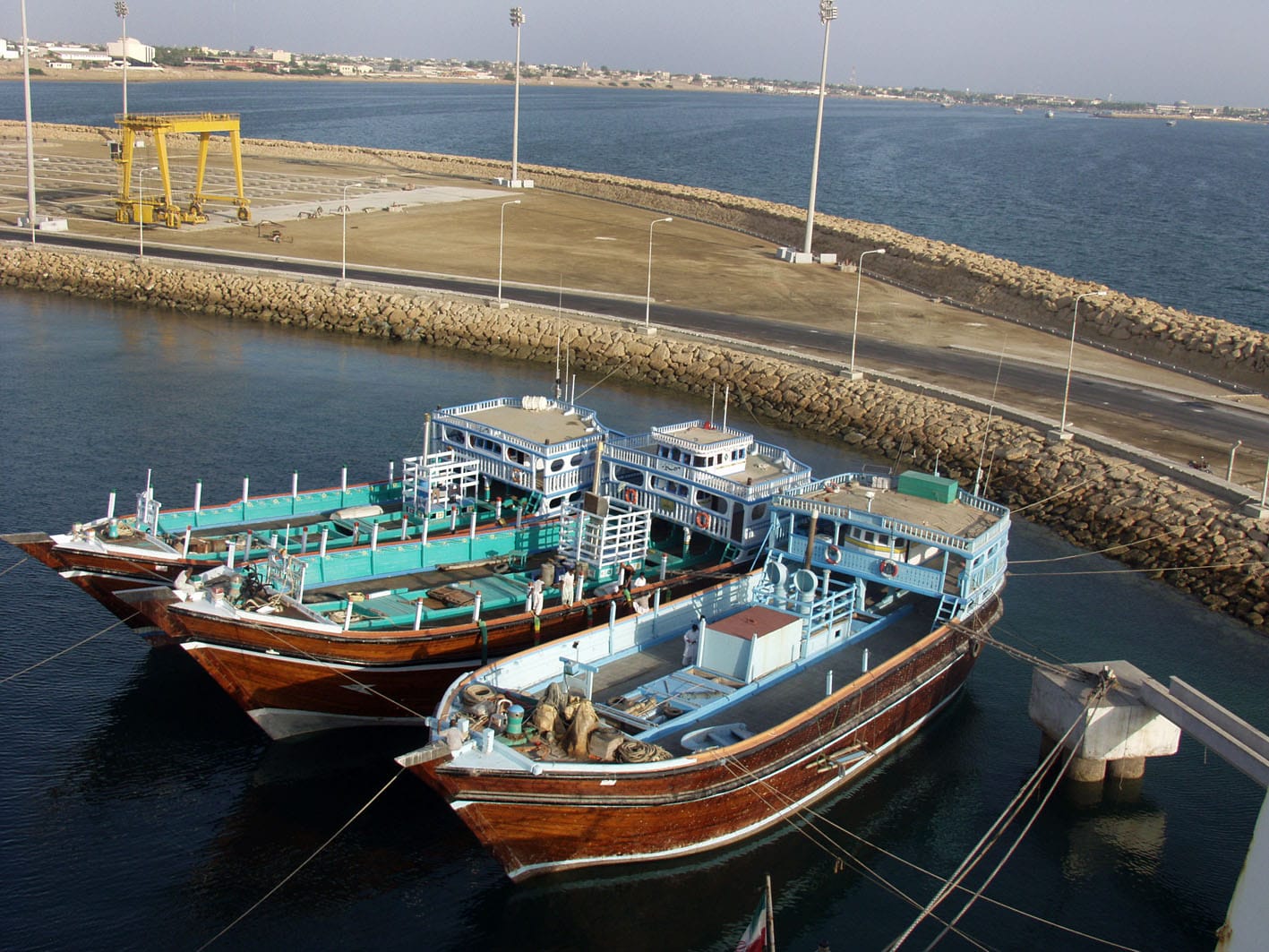
NEW DELHI — India’s long-running investment in Iran’s Chabahar Port faces renewed uncertainty after a U.S. sanctions waiver expired April 26, 2026, putting a key regional trade project at risk. The decision could complicate India’s access to Afghanistan and Central Asia while testing New Delhi’s ability to balance ties with Washington and Tehran.
Chabahar Port waiver expiry puts India in a strategic bind
India says it remains engaged with both the United States and Iran after Washington’s conditional relief for the project lapsed. The Ministry of External Affairs told Parliament that the United States revoked the 2018 sanctions exception in September 2025 before later extending a conditional waiver until April 26, 2026, according to an MEA response on safeguarding India’s interests at Chabahar.
The U.S. State Department said in September that people operating Chabahar Port or engaging in related activities could face sanctions under the Iran Freedom and Counter-Proliferation Act once the revocation became effective, according to its sanctions announcement on Iran-related actions.
The pressure comes less than two years after India Ports Global Limited signed a 10-year agreement with Iran’s Ports and Maritime Organisation to equip and operate the Shahid Beheshti terminal. India has fulfilled its $120 million commitment for port equipment, the MEA said.
Why Chabahar Port matters to India
Chabahar gives India a route to Afghanistan and Central Asia that bypasses Pakistan. That role has made the port central to New Delhi’s regional connectivity strategy, especially as India seeks greater trade access to landlocked markets.
The project’s strategic value has been clear for years. In 2015, Reuters reported that India was preparing to sign a Chabahar agreement as it sought to respond to China-backed infrastructure activity in Pakistan’s Gwadar, an early sign of the port’s geopolitical importance. That older Reuters report on India’s Chabahar push showed how long New Delhi has viewed the port as more than a commercial asset.
The momentum continued in May 2024, when India signed the 10-year operating pact with Iran, a deal Reuters described as a step to strengthen ties with Tehran while improving access to Iran, Afghanistan and Central Asia. The 2024 Reuters report on the Chabahar contract remains a key marker in the project’s timeline.
Sanctions risk clouds the investment future
India has not publicly announced a final exit plan, but officials have acknowledged talks are continuing. An Economic Times report on the waiver’s expiry said the issue is under discussion with both Iran and the United States.
The uncertainty has raised questions over whether India can preserve operational control without exposing companies or financial channels to U.S. penalties. The risk is especially acute because port operations require banking, shipping, insurance and equipment procurement networks that can be vulnerable to secondary sanctions.
Chabahar’s regional logic remains strong. In June 2025, India and Central Asian countries welcomed interest in using Shahid Beheshti terminal for trade with India and beyond, according to the India-Central Asia Dialogue joint statement.
Chabahar Port now faces a political test
For New Delhi, the challenge is no longer only whether Chabahar Port can handle cargo. It is whether India can keep the project alive when U.S. sanctions policy, Iran’s isolation and regional competition are pulling in different directions.
The port has survived years of delays, sanctions pressure and shifting diplomatic priorities. Its future now depends on whether India can secure fresh relief, create a compliant operating mechanism or scale back involvement without surrendering a strategic corridor it has spent more than a decade building.


