

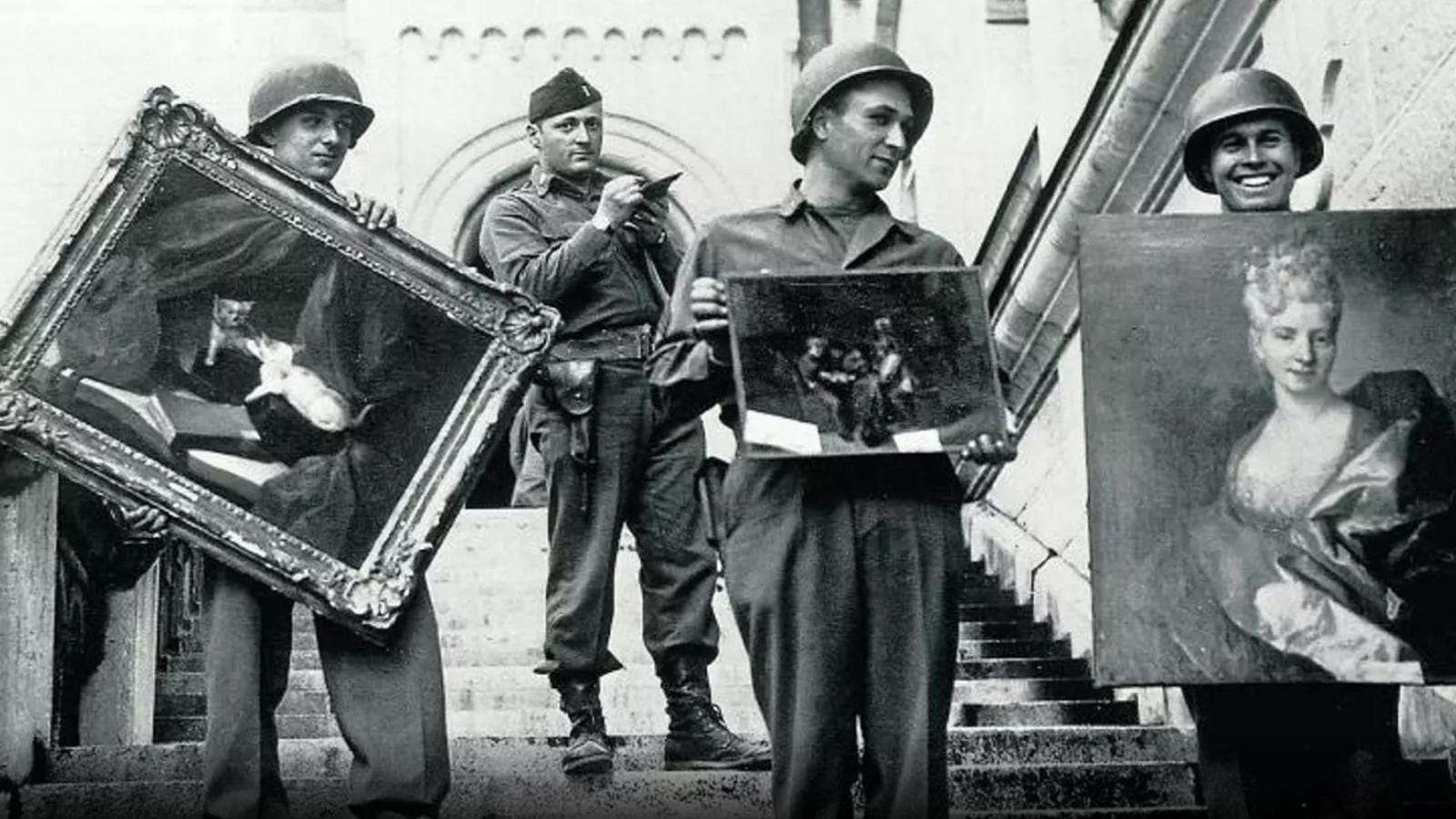
Nazi-looted art takes center stage in new Orsay gallery
The gallery brings together paintings, drawings and archival materials documenting how thousands of artworks were confiscated by the Nazi regime and later dispersed through auctions, private collections and museums. The opening in Paris underscores renewed institutional efforts to address unresolved restitution claims and educate the public on the scale of cultural plunder that occurred between 1933 and 1945.
Museum officials said the space is designed not only to display recovered works but also to explain the investigative process behind restitution, including provenance gaps, wartime records and international cooperation between archives and governments.
Nazi-looted art and the long road to restitution
The issue of Nazi-looted art has shaped museum policy and international law for decades, particularly following major discoveries of hidden or misattributed collections. One of the most widely reported cases was the Gurlitt hoard in Germany, which reignited global debate over restitution practices and museum accountability. The Guardian’s investigation into the Gurlitt collection detailed how hundreds of works were found in private possession, many suspected of being confiscated during the Nazi era.
Earlier historical efforts, including the Allied recovery missions during and after World War II, have also shaped modern restitution frameworks. The Monuments Men program, for example, helped recover thousands of stolen artworks across Europe, a story documented in BBC Culture’s coverage of wartime art recovery efforts.
High-profile restitution cases continue to shape policy
Among the most famous restitution cases is the recovery of Gustav Klimt’s “Portrait of Adele Bloch-Bauer I,” which became a landmark in international art repatriation disputes. The legal and moral battle over the painting was widely covered, including in The New York Times’ reporting on the Klimt restitution case, which helped bring global attention to claims by heirs of Holocaust victims.
In the years that followed, several governments and institutions adopted clearer guidelines for reviewing contested works. Germany, Austria and other countries have since returned or reviewed thousands of items believed to have been taken under Nazi rule, as documented in ongoing cultural restitution reporting such as JTA’s coverage of German restitution efforts.
Why Nazi-looted art remains a global cultural issue
Despite decades of progress, experts say Nazi-looted art remains one of the most complex unresolved issues in the art world. Gaps in documentation, private sales and incomplete wartime records continue to complicate ownership claims. Museums across Europe and North America have expanded provenance research teams, but many works remain under review or in legal dispute.
The Musée d’Orsay’s new gallery is expected to serve as both an educational space and a call for continued transparency in the global art market, reinforcing the idea that restitution is not only a legal process but also a historical responsibility.
Looking ahead
Curators say the gallery will rotate works and case studies as new research emerges, ensuring that unresolved stories tied to Nazi-looted art remain visible to the public. For descendants of victims and historians alike, the opening represents another step in a long effort to restore cultural memory and address one of history’s most extensive art thefts.


