

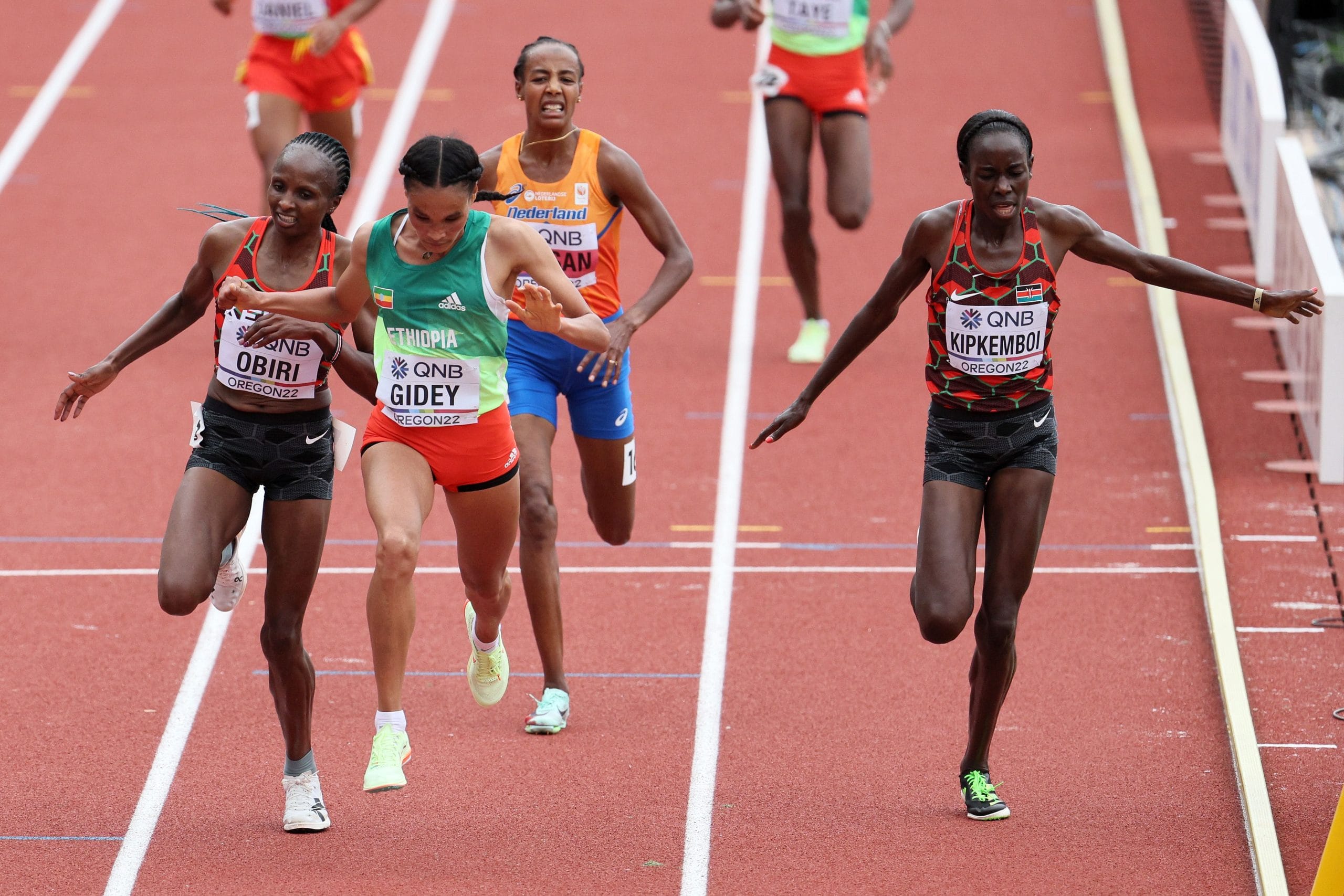
The performance underscored how her high-altitude base in Kenya combined with targeted U.S. training partnerships helped sharpen her closing kick and tactical racing approach in elite marathon fields.
Hellen Obiri and the impact of a U.S. training shift
long been recognized for her dominance on the track and her seamless transition to marathon racing. Her recent podium finish at the reflects a growing trend among elite East African runners who incorporate structured international training blocks to gain competitive advantages in pacing, strength conditioning, and race simulation environments.
Obiri’s preparation reportedly included high-intensity intervals, long tempo runs, and altitude-to-sea-level adaptation cycles designed to mimic London’s typically cool and fast race-day conditions. The approach paid off as she remained in contention deep into the final stages of the race before surging into a podium position.
Her evolution into a consistent marathon contender has been closely watched since her early breakthroughs on the track, where she established herself as one of the most versatile distance runners of her generation. According to her athlete profile, Obiri’s career progression has been marked by steady improvements across distances and surfaces.
Background context from previous elite performances highlights her sustained presence at the top level. Her Olympic achievements are documented in her official athlete profile on the Olympic platform, which outlines her transition from track dominance to marathon success.
- Hellen Obiri Olympic athlete profile and career highlights
- World Athletics record of Hellen Obiri performances and statistics
Earlier marathon victories also shaped expectations ahead of London. Her breakthrough road racing form was widely noted after major wins in Boston and New York, which established her as a serious contender in any major marathon lineup.
From track dominance to marathon consistency
Obiri’s transition from middle-distance track events to marathon racing has been one of the most successful recent conversions in women’s distance running. Her ability to maintain speed over extended distances, combined with tactical awareness developed over years of championship racing, has allowed her to remain competitive in tightly contested marathon finishes.
Coaches and analysts often point to her disciplined pacing strategy and strong finishing acceleration as defining traits. These attributes were evident again in London, where the race remained tightly packed until the final kilometers.
What the London result means going forward
The podium finish strengthens Obiri’s position ahead of upcoming World Marathon Majors, where depth of field and race dynamics will again test her adaptability. With continued emphasis on international training blocks and race-specific preparation, she remains a central figure in women’s marathon competition.
Her latest performance also reinforces a broader shift in elite distance running, where athletes increasingly combine home-base altitude training with short, high-intensity international camps to maximize performance outcomes.


