

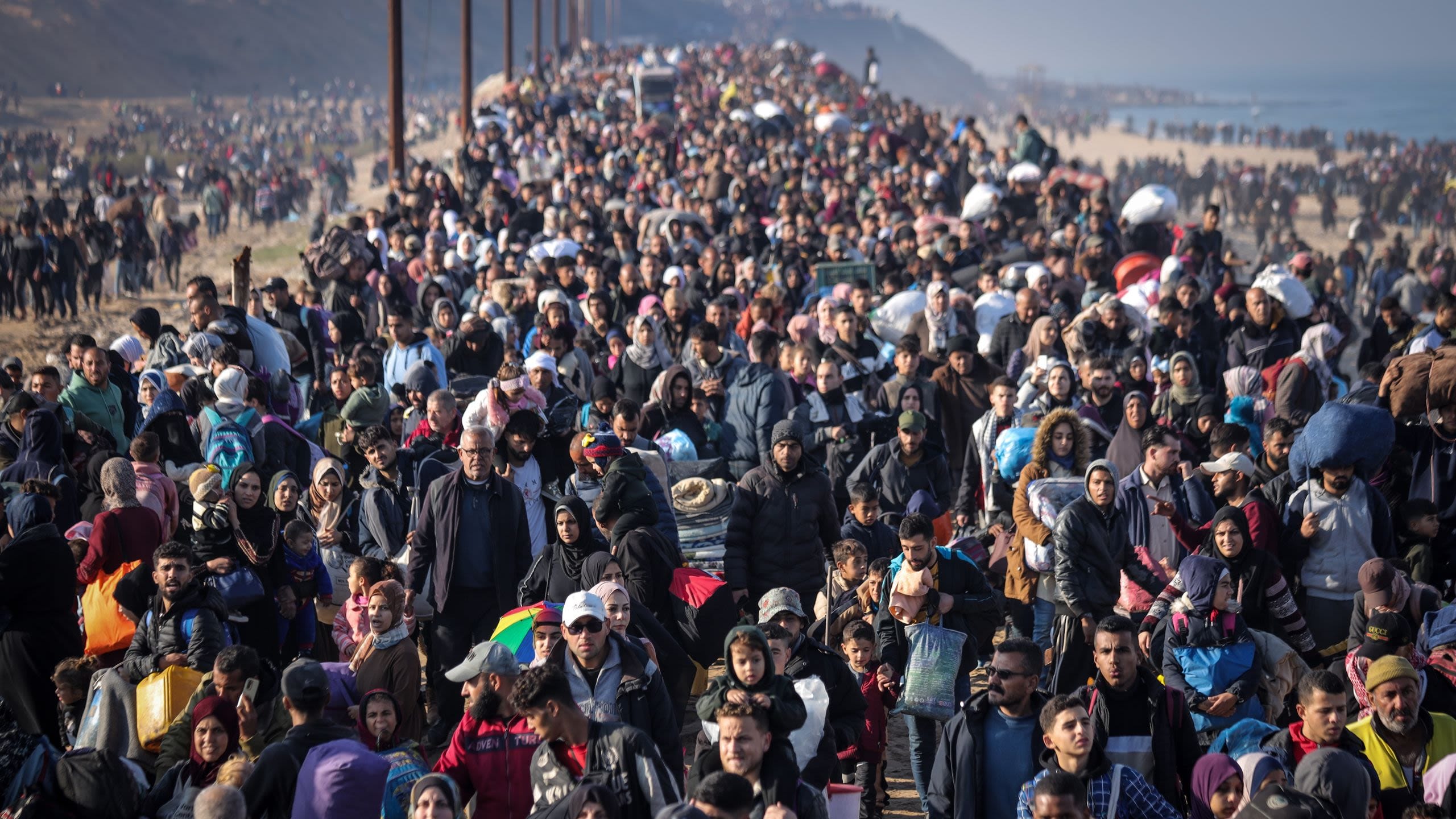
SANA’A, Yemen — May 26, 2026. The humanitarian situation in Yemen is worsening as internal displacement reaches new pressure points, with scarce water, food, and shelter intensifying tensions between internally displaced persons (IDPs) and host communities, according to an Al Jazeera report. Aid agencies say the strain reflects years of conflict-driven displacement, collapsing infrastructure, and declining international funding that has left vulnerable populations competing for basic survival resources.
Yemen Displacement Crisis deepens amid resource shortages
The Yemen Displacement Crisis has accelerated as repeated waves of conflict have forced millions from their homes, particularly in northern and western governorates. Humanitarian organizations warn that overcrowded displacement sites are now struggling to absorb new arrivals while also sustaining those who have lived there for years.
The United Nations High Commissioner for Refugees (UNHCR) has repeatedly flagged Yemen as one of the world’s largest internal displacement emergencies, noting that many families have been displaced multiple times. More context on long-term displacement trends is documented in ongoing UNHCR updates, which highlight how shifting frontlines continue to reshape settlement patterns across the country:
UNHCR Yemen operations overview.
Competition over aid fuels local tensions
Local officials and aid monitors report that competition over dwindling humanitarian supplies is driving friction between IDPs and host communities. Water access, rental housing, and food assistance have become increasingly politicized at the local level, particularly in urban peripheries where infrastructure has deteriorated most severely.
According to the International Organization for Migration (IOM), displacement tracking in Yemen shows that many families remain in informal settlements for extended periods, unable to return home due to insecurity and destroyed infrastructure:
IOM Yemen displacement tracking overview.
Humanitarian coordinators warn that without sustained aid flows, localized disputes could escalate further, particularly in areas where community-based coping mechanisms have already been exhausted.
Years of instability underpin the Yemen Displacement Crisis
The current Yemen Displacement Crisis is rooted in more than a decade of armed conflict and political fragmentation that has eroded governance and public services. Health systems, water networks, and food supply chains have been repeatedly disrupted, leaving millions dependent on external assistance.
The United Nations Office for the Coordination of Humanitarian Affairs (OCHA) continues to describe Yemen as one of the world’s most severe humanitarian emergencies, with needs spanning food security, shelter, and protection services:
OCHA Yemen humanitarian response.
Earlier reporting by Reuters has also documented how cyclical ceasefires and renewed clashes have repeatedly undermined stabilization efforts, complicating aid delivery and reconstruction planning:
Reuters coverage of Yemen conflict developments.
Humanitarian outlook remains uncertain
Aid organizations caution that the outlook for displaced communities remains fragile as funding gaps widen and climate-related stressors, including drought and flooding, further strain already limited resources. Relief workers say immediate stabilization of aid corridors and increased international support are essential to preventing further deterioration.
As the conflict drags on, analysts warn that Yemen’s displacement crisis risks becoming increasingly entrenched, with long-term implications for regional stability and humanitarian response capacity.


