

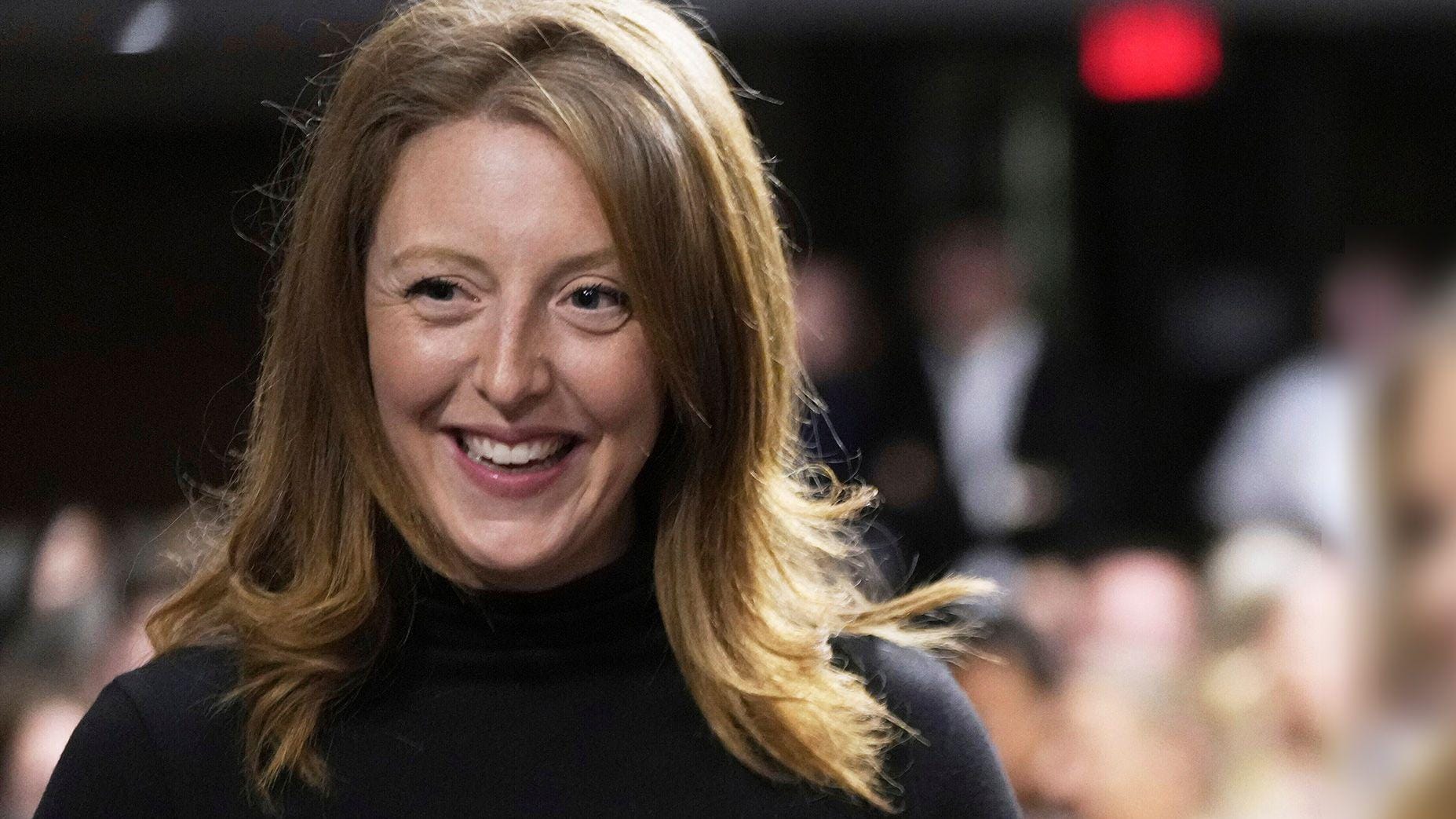
WASHINGTON — The nomination of Casey Means to be U.S. surgeon general remained stalled in the Senate on Thursday, April 2, 2026, leaving one of the Trump administration’s highest-profile public health posts unfilled as Health and Human Services Secretary Robert F. Kennedy Jr. tries to turn Make America Healthy Again from movement branding into federal policy. The delay has become a test of whether Kennedy can turn MAHA’s influence into Republican votes after senators raised concerns about Means’ vaccine messaging, qualifications and business ties.
The clearest sign of the holdup is procedural. The Senate HELP Committee’s nominations page shows Means’ current nomination with a last action of “hearings held” after her Feb. 25 appearance. The same page also shows that her earlier nomination, first sent to the Senate in June 2025, was returned to the president under Senate rules at the start of the new session before Trump renominated her on Jan. 13.
That matters because Means was never pitched as a routine personnel pick. She is closely tied to Kennedy’s food-and-chronic-disease message, and the MAHA initiative itself has been framed by HHS as a campaign to confront chronic illness through nutrition, prevention and a broader overhaul of the country’s health system. A Senate-confirmed surgeon general would give that agenda a nationally recognized messenger with a formal government platform.
Why the Casey Means surgeon general nomination is stuck
The resistance inside the Senate has centered on both substance and stature. In late March, The Associated Press reported that Republicans including Lisa Murkowski, Susan Collins and Bill Cassidy were still unsold after the hearing, with Cassidy pressing Means on whether she would explicitly urge Americans to get measles and flu shots and Sen. Thom Tillis saying he was leaning against her if the nomination reached the floor.
Questions about her background have only sharpened that scrutiny. The Oregon Medical Board’s license verification page lists Means’ M.D. license as inactive, a fact critics have used to argue that the nation’s top public-health communicator should come into the job with more conventional clinical or institutional credentials. Her supporters counter that her break with mainstream medicine is precisely why she fits a movement built around distrust of the medical status quo.
The White House has tried to keep the nomination alive. After President Donald Trump publicly suggested he was unsure how the process was going and left open the possibility of another candidate, The Washington Post reported that the administration reaffirmed its backing for Means and urged the Senate to confirm her without further delay. That response kept the nomination from sliding into obvious collapse, but it also underscored that the fight is now as much about Senate arithmetic as movement loyalty.
Means’ hearing did not end her chances, but it did little to ease doubts. Lawmakers used the session to challenge her on vaccines, birth control, psychedelics and potential conflicts, rather than letting her stay focused on chronic disease and food policy. That is the kind of performance that can leave a nomination parked unless the White House can prove the votes are there.
A long trail to a stalled vote
The uncertainty around Means did not begin with last month’s hearing. When Trump first tapped her in May 2025 after abandoning his previous pick, Reuters described the move as a clear nod to Kennedy and MAHA, making the surgeon general slot part of a larger effort to reshape federal health policy around chronic disease, food quality and skepticism of the traditional medical establishment.
Months later, Reuters also reported that even her first scheduled Senate hearing was delayed in October 2025, pushing the nomination deeper into a calendar that would eventually force the White House to start over in the new session. What now looks like a March-April stall is really the latest phase of a nomination that has been drifting for months.
That longer timeline is what makes the current pause more consequential than an ordinary confirmation slowdown. If Means ultimately wins confirmation, Kennedy will be able to claim that MAHA can survive Senate skepticism and still install its allies in marquee posts. If she does not, Republicans will have sent a sharper signal: that even with a GOP Senate, there are still limits to how far lawmakers are willing to go for Kennedy’s health agenda.
For now, the facts are more mundane than the movement branding around them. Means has had her hearing. Her nomination has not advanced. And until it does, one of the administration’s most symbolic health appointments will remain a measure of whether MAHA can move from activist energy to governing power.


