

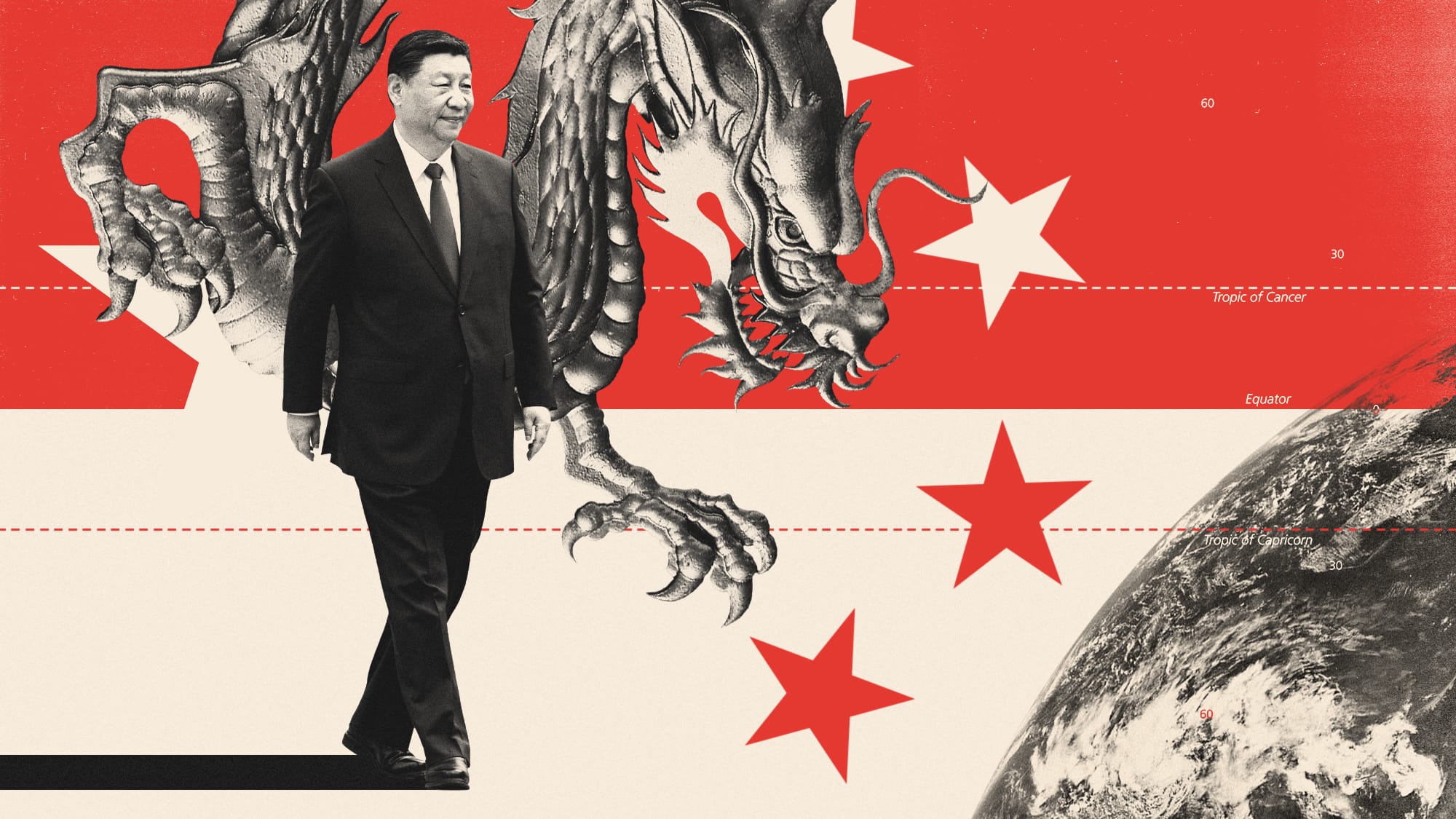
BEIJING — China is widening its economic push into the Global South across Africa, Latin America and Asia as a wave of tariffs and trade probes squeezes its access to richer markets Saturday. Officials and companies are betting that investment and lower-priced exports can secure new buyers, but the same surge of goods is prompting partners to raise duties and open cases of their own, Dec. 27, 2025.
China Global South push shifts from loans to factories
The China Global South campaign is increasingly driven by commercial muscle: industrial parks, assembly lines and supply deals for minerals and energy equipment. Chinese firms are pitching local production to blunt criticism that they are simply shipping surplus goods abroad, particularly in electric vehicles, steel and solar equipment.
At the policy level, Beijing is also tightening the legal plumbing for a more contested trading environment. A revised Foreign Trade Law approved Saturday is set to take effect March 1, 2026, expanding tools to respond to external economic pressure while promoting digital and green trade.
Tariffs test the China Global South sales pitch
The backlash is not limited to Washington and Brussels. In its latest World Trade Organization report on G20 trade measures, the WTO said import-restrictive actions in force covered about $4 trillion in trade as of Oct. 15, up from about $2.35 trillion a year earlier, and that trade remedy actions such as anti-dumping accounted for more than half of measures recorded.
Brazil has become one of the clearest stress tests for the China Global South strategy. A Reuters analysis of shipping data and company statements found that BYD’s first four ship deliveries to Brazil in 2025 totaled about 22,000 vehicles, and that industry and labor groups were lobbying to accelerate plans to raise import duties on all electric-vehicle imports to 35% from 10%.
India is moving on parallel tracks: using tariffs and anti-dumping duties to protect domestic producers while also facing legal challenges. China this week requested World Trade Organization consultations over Indian measures affecting solar cells, solar modules and information technology products, after India imposed anti-dumping duties on some cold-rolled steel imports from China.
Behind the friction is weak demand at home and intense price competition in China, which leaves more goods looking for buyers abroad. The International Monetary Fund warned this month that China’s size and heightened trade tensions make reliance on exports less viable for sustaining robust growth.
Old lessons for the China Global South playbook
Today’s push builds on more than a decade of Belt and Road Initiative projects. A 2019 World Bank study said transport corridors could lift trade and incomes, but warned that benefits depend on reforms that improve transparency, expand trade and manage debt risks.
A 2020 Brookings analysis argued that claims of “debt trap diplomacy” were often overstated, while still flagging concerns about debt sustainability and project selection.
AidData’s 2022 “Delivering the Belt and Road” report found many leaders in developing countries value China’s infrastructure financing, but also see trade-offs tied to transparency, local capacity and governance.
For many governments, the appeal of the China Global South approach is immediate: cheaper inputs, faster delivery and a chance to plug infrastructure gaps. Whether the gains last may hinge on what comes next — more local production and technology transfer, or more tariffs that harden into long-term barriers for China Global South trade.


