

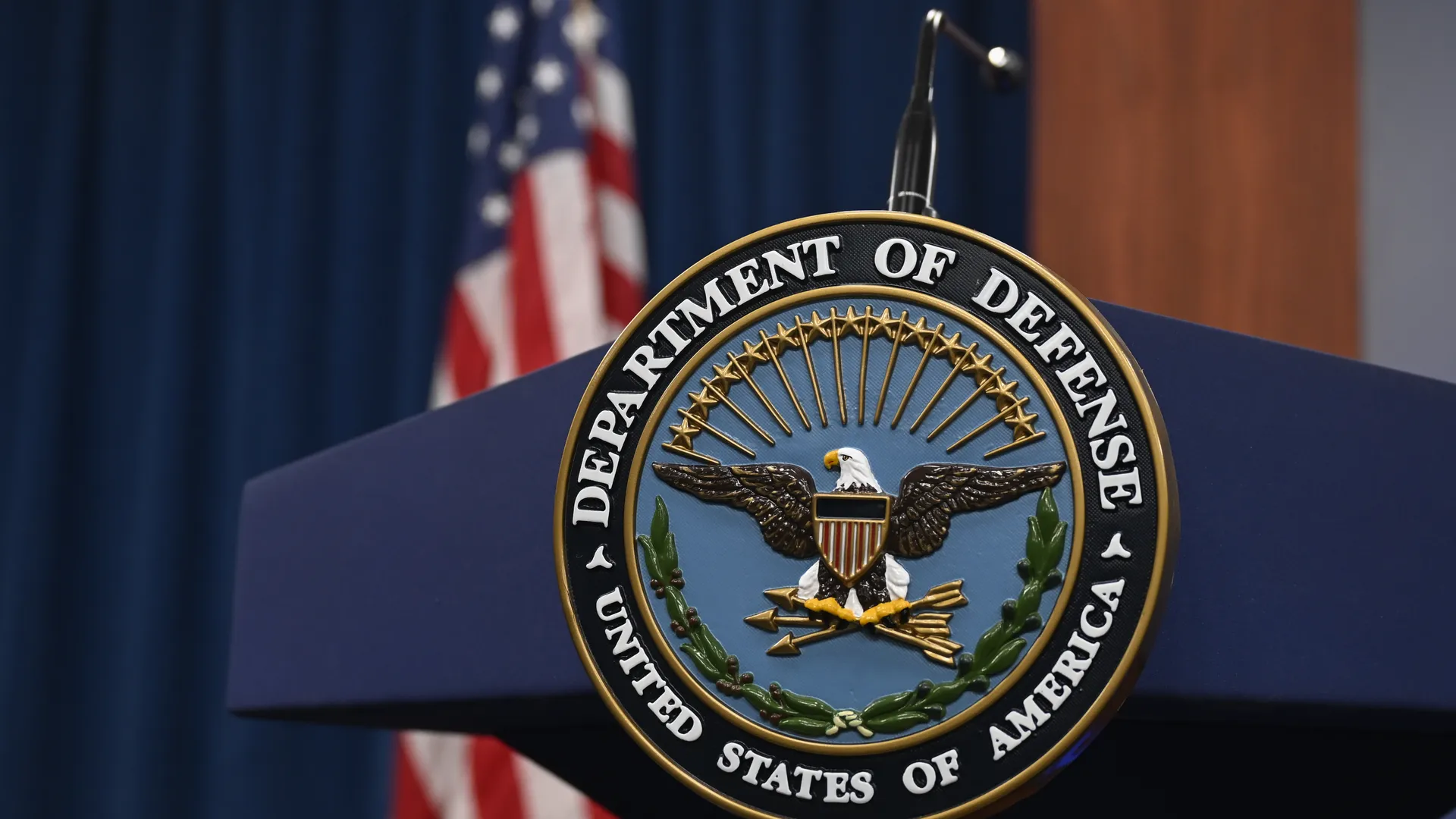
WASHINGTON — President Donald Trump’s administration is rolling out a “Department of War” rebrand across the Pentagon, using an executive order signed in September to change public-facing titles and branding even though federal law still refers to the Department of Defense, Dec. 16, 2025. The directive authorizes Defense Secretary Pete Hegseth to use “secretary of war” as a secondary title in executive-branch communications, but it stops short of legally renaming the department.
Department of War rebrand: what Executive Order 14347 changes
The administration’s legal basis is Executive Order 14347, “Restoring the United States Department of War,” which frames the rebrand as a return to the nation’s pre-World War II-era terminology and a message of “peace through strength.” The order directs agencies to accept “Department of War” and related titles in internal and external communications — but also makes clear the formal statutory names remain in place until Congress changes them.
In practical terms, the order:
Allows the secretary of defense to use the secondary title “secretary of war” in official correspondence, public communications, ceremonial contexts and other non-statutory documents.
Extends similar “war” titles to subordinate positions, such as “deputy secretary of war” and “under secretary of war,” when used in those same contexts.
Instructs executive departments and agencies to recognize the titles, as long as their use does not create confusion about legal, statutory or international obligations.
Sets internal deadlines for notifying Congress about offices adopting the secondary designation and for recommending steps to make the name change permanent.
Why the Department of War name still needs Congress
The central constraint is straightforward: Congress, not the White House, writes the laws that establish and name Cabinet departments. Even as the Pentagon shifts signage and messaging, the department’s formal legal identity — “Department of Defense” — remains the controlling term in statutes until lawmakers amend the U.S. Code.
Republican lawmakers have introduced legislation aimed at locking in the change. One House measure, sponsored by Rep. Tim Burchett, R-Tenn., would codify the executive order itself; the bill remains in its early stages, according to the official Congress.gov tracking page for H.R. 5389. Separate proposals would go further by rewriting “Department of Defense” references throughout federal law, but none has cleared Congress.
Before the order was signed, the Associated Press reported the White House acknowledged the president could not formally change the department’s name without legislation — and planned to rely on “secondary titles” while seeking congressional action. That AP account also noted the “Department of War” label dates to the nation’s early years and was later changed by law after World War II.
Rebrand spreads beyond the Pentagon
The renaming push has also bled into White House national security operations. Reuters reported that, days after Trump’s Pentagon move, the National Security Council’s “Directorate of Defense” was renamed the “Directorate of War,” and officials began using “war” titles inside the White House structure. The Reuters report said the change was approved internally and it was unclear whether the shift would alter policy, but it underscored how aggressively the administration is applying the branding across the executive branch.
Costs and politics behind the branding fight
Supporters of the rebrand argue the word “war” more honestly describes what the military does, and they say the terminology is meant to signal resolve to adversaries. Critics counter that the change is largely symbolic, risks escalating rhetoric at a volatile time abroad and could generate significant costs as logos, seals, templates, signs and digital systems are updated.
In coverage of the order’s rollout, Breaking Defense reported that Trump has downplayed cost concerns and argued the shift could be phased in, while Hegseth has publicly embraced the language as part of a broader culture push at the Pentagon.
Looking back: the name debate didn’t start with this order
The “Department of War” label has a long history in U.S. governance — and the arguments now unfolding echo earlier debates about what military branding signals, at home and abroad. The State Department’s Office of the Historian notes that the National Security Act of 1947 reorganized the armed services and merged the War and Navy departments into a unified structure under a secretary of defense, laying groundwork for the modern Pentagon. The office’s Milestones history of the National Security Act describes how the postwar reshaping of U.S. security institutions altered the role and reach of the military establishment.
Months before the September executive order, the idea was already circulating inside Trump-aligned defense circles. A spring news report — republished as a PDF by Duke University School of Law — described Hegseth’s interest in reviving the “war” label as part of an effort to emphasize “lethality” and what he has called “warrior culture.” That April 2025 article also quoted analysts who argued the shift could carry real-world implications for how force is discussed and justified.
In late August, Task & Purpose detailed the historical meaning of the original War Department and how a name change today would differ from the 18th- and early 20th-century institution — while still requiring Congress to make it legally binding. Its explainer highlighted how much paperwork, policy and infrastructure is built around the “Department of Defense” name — a reminder of why the administration can rebrand quickly, but cannot finish the renaming without Congress.
For now, the Pentagon’s “Department of War” identity is moving ahead as a political and communications project, while the statutory name remains unchanged — a split-screen reality that may persist unless lawmakers take up legislation to make the rebrand permanent.


