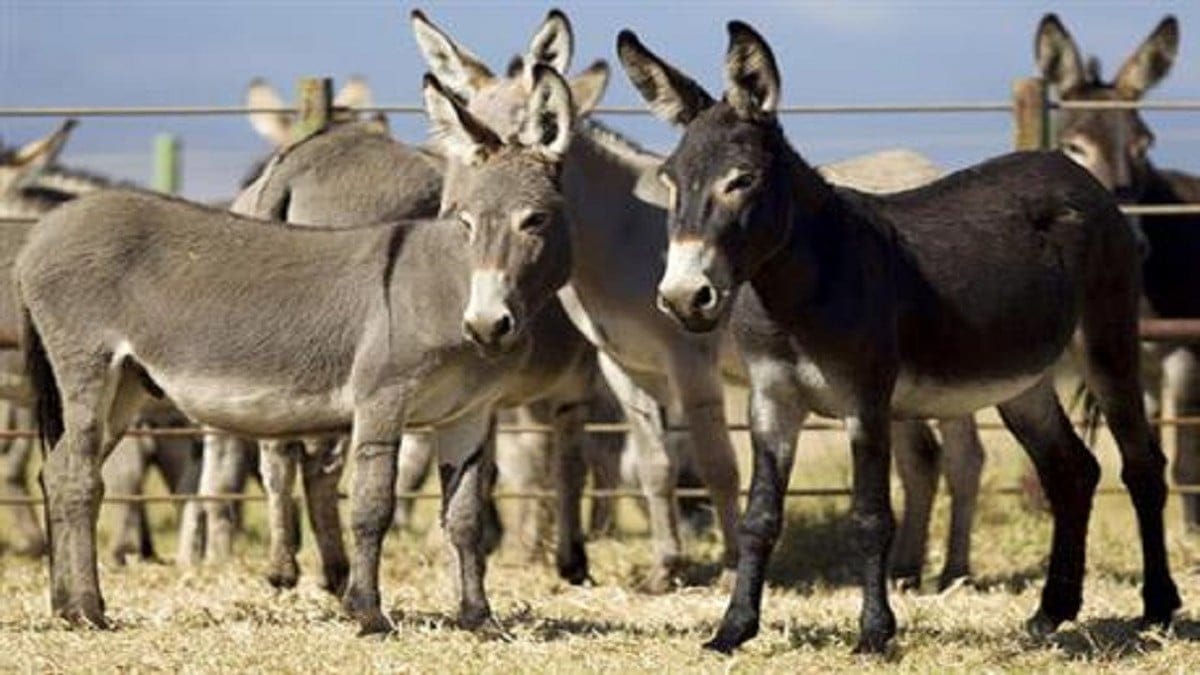
ISLAMABAD — Pakistan’s Economic Coordination Committee approved the export of donkey meat and hides from existing inventory at the Gwadar Donkey Slaughter House to China, clearing a National Food Security and Research Division proposal during a federal cabinet committee meeting, Associated Press of Pakistan reported, April 27, 2026.
The decision allows the stock to be disposed of under applicable regulations and export protocols, making Gwadar the formal exit point for the China-bound shipment. Dawn reported that Finance Minister Muhammad Aurangzeb chaired the ECC meeting, where officials also reviewed inflation trends and other economic agenda items.
Donkey Meat Export clears latest ECC step
The approval marks a regulated opening for Pakistan’s donkey by-product trade with China, where donkey hides are used in ejiao, a traditional gelatin product, and donkey meat has a consumer market. ProPakistani said the approval covers existing inventory and does not detail fresh commercial volumes.
The ECC decision came alongside several other approvals, including money for Pakistan International Airlines liabilities and changes to import rules. The News reported that the committee also backed changes to the Import Policy Order to prohibit imports of goods produced through forced labor.
Officials also discussed price stabilization, with the committee told that several essential commodity prices had eased after recent volatility. Business Recorder reported that the ECC also approved technical supplementary grants, including funds for the Cannabis Control and Regulatory Authority, the Balochistan government, the National Accountability Bureau and the national hockey team.
How the donkey meat export plan developed
The latest approval did not emerge suddenly. In July 2024, a Senate commerce panel was told that Pakistan had finalized protocols to export donkey skins and meat to China, according to an earlier Dawn report on export protocols.
By October 2024, Pakistan’s food ministry had signed an agreement with a Chinese company for a Gwadar slaughterhouse and hide-processing facility. An official told Arab News, “This facility will process donkeys into meat and gelatine for export to China.”
The regulatory framework tightened further in 2025, when the federal government authorized donkey hide exports only through designated, approved or registered slaughterhouses in the Gwadar Free Zone, according to Dawn’s October 2025 coverage. That change followed earlier bans driven by concerns that donkey meat could enter local food markets disguised as beef or mutton.
China demand and Pakistan’s policy challenge
China’s demand for donkey hides has reshaped trade routes after several countries raised concerns over shrinking donkey populations and rural livelihoods. A ChinaFile analysis noted that Pakistan became more attractive to buyers after restrictions elsewhere and warned that the trade would need breeding, traceability and welfare safeguards to be sustainable.
For Pakistan, the ECC approval creates an export pathway for a product that is not consumed domestically but has commercial value abroad. The key test now is whether authorities can keep the trade within approved facilities, prevent illegal slaughter and ensure that exports do not disrupt the role of donkeys in transport and livelihoods for low-income communities.
The approval also places Gwadar’s livestock-processing ambitions back in focus. If the first inventory is exported smoothly under quarantine and customs controls, Pakistan could use the model to expand regulated animal by-product exports while avoiding the black-market risks that led to earlier restrictions.