Oil prices climb as Hormuz risk widens
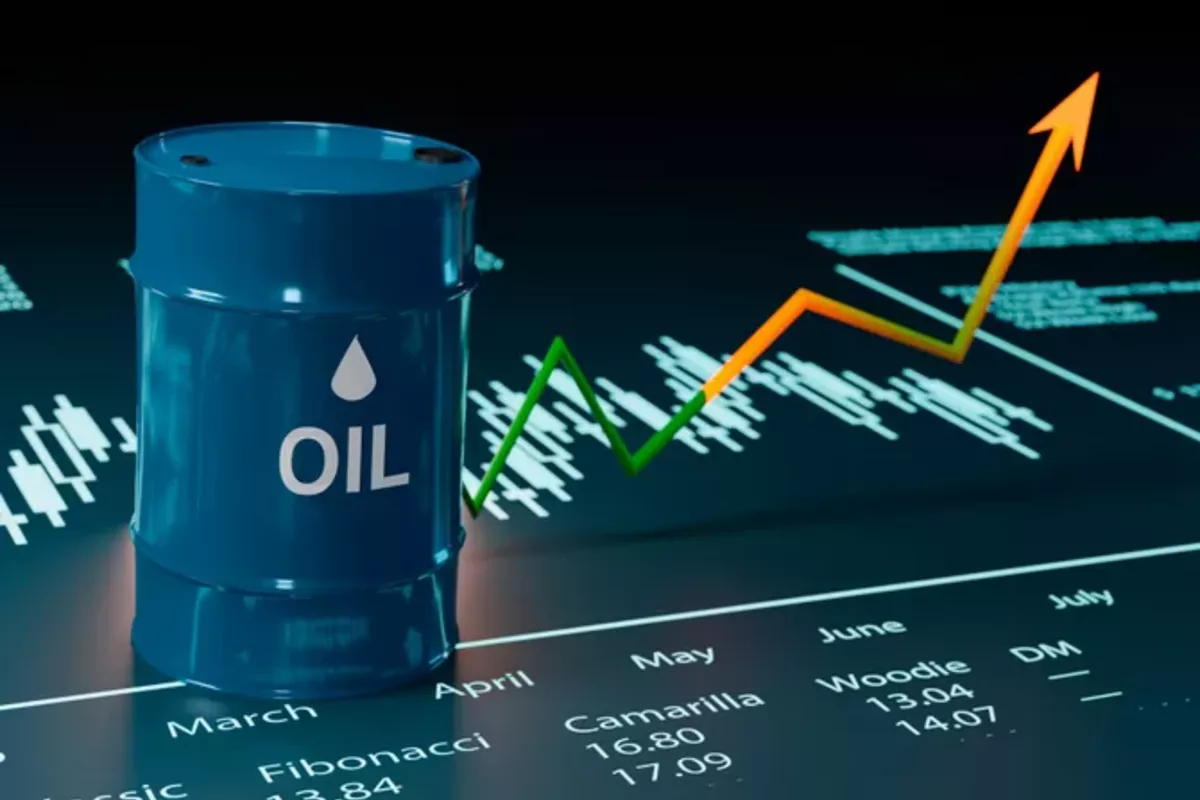
Brent crude futures for June rose $3.28, or 3.03%, to $111.51 a barrel by 1115 GMT, while U.S. West Texas Intermediate crude climbed $3.47, or 3.6%, to $99.84, Reuters reported. The rally extended gains from the previous session and pushed Brent higher for a seventh straight day.
The latest move reflects a market pricing in more than a temporary diplomatic snag. U.S. President Donald Trump was unhappy with Iran’s latest proposal to end the conflict because it did not immediately address Tehran’s nuclear program and Gulf shipping disputes. Reuters quoted Rystad Energy analyst Jorge Leon saying the market was “rapidly repricing geopolitical risk.”
Iranian Foreign Minister Abbas Araghchi has shared proposals to reopen the strait with Pakistan amid stalled peace negotiations, though the offer would defer nuclear talks, according to Al Jazeera. Traders remain skeptical because shipping and logistics experts say even a deal could leave months of delays from backlogs, infrastructure damage and maritime safety work.
Why Hormuz keeps oil markets on edge
The Strait of Hormuz is the narrow waterway between Iran and Oman that links the Persian Gulf with the Gulf of Oman and the Arabian Sea. In 2024, oil flows through the strait averaged 20 million barrels per day, equal to about 20% of global petroleum liquids consumption, the U.S. Energy Information Administration said.
The risk is amplified because alternative routes are limited. The International Energy Agency’s Hormuz briefing says about 20 million barrels per day, or around 25% of world seaborne oil trade, transits the strait, while only 3.5 million to 5.5 million barrels per day of pipeline capacity could potentially redirect crude flows away from the route.
The IEA said in its April oil market report that global oil supply fell by 10.1 million barrels per day in March to 97 million barrels per day, citing attacks on Middle East energy infrastructure and ongoing restrictions on tanker movements through Hormuz. The agency also said refinery runs in the Middle East and parts of Asia have been cut as feedstock supplies tighten.
Older flashpoints show why traders react quickly
The current surge has historical echoes. A June 2019 Reuters report said oil prices leapt 3% after tanker attacks in the Gulf of Oman, a reminder that even incidents outside the strait can quickly raise risk premiums across crude markets.
A month later, another Reuters account from July 2019 described Iran’s seizure of the British-flagged Stena Impero near the Strait of Hormuz, calling the route the world’s most important waterway for oil shipments. Those earlier episodes did not create a lasting closure, but they showed how quickly shipping security, insurance costs and diplomatic brinkmanship can feed into crude prices.
What could move prices next
For now, the market is watching three pressure points: whether Washington and Tehran restart direct talks, whether commercial tankers can resume regular Hormuz crossings, and whether producers with bypass routes can offset disrupted Gulf exports. A narrow deal could cool the rally, but a partial reopening may not immediately restore normal flows.
The clearest downside risk for crude would be a verifiable reopening of the strait and a timetable for restoring tanker traffic. The clearest upside risk is continued deadlock, especially if reduced supply begins to strain refiners, diesel markets and Asian importers more visibly in the coming weeks.
Until traders see ships moving safely and consistently through Hormuz, the geopolitical premium is likely to remain embedded in oil prices.