

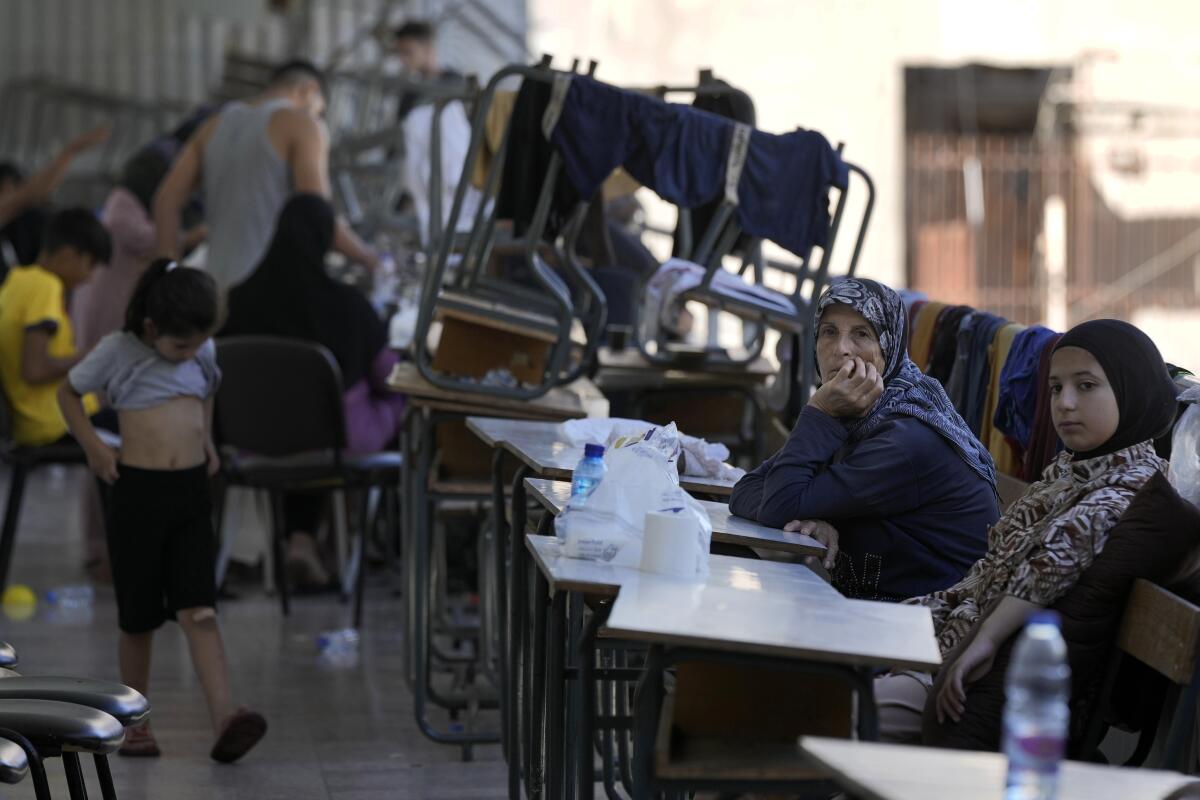
More than 1 million people were displaced in Lebanon during the first three weeks of the March escalation, according to an OHCHR update on deaths and displacement in Lebanon. The U.N. rights office said at least 1,029 people were killed and more than 2,786 injured from March 2 to March 22, while warning that broad displacement orders and continued destruction could create long-term barriers to return.
For families from the south, the numbers translate into tents, school shelters, crowded apartments and uncertainty. Reuters reported that Rabih Khreiss, a displaced mechanic from Khiyam, fled with his family after Hezbollah fired into Israel and Israeli strikes followed. His family, like many others, has been living in makeshift conditions in Beirut while his hometown remains largely inaccessible. “We’re living in tents, not knowing where these days will take us,” Khreiss told Reuters in a report on displaced Lebanese families.
How Lebanon displaced families lost the path home
The immediate danger is only part of the crisis. Many displaced residents say they cannot return because their houses are destroyed, roads are unsafe, basic services are missing or Israeli forces remain near their villages. Reuters reported that Kfar Kila, once a village of about 5,500 people, has been largely flattened after more than two years of conflict and later controlled demolitions. Israel says such border areas contain Hezbollah infrastructure, while Hezbollah has denied placing military infrastructure among civilians. The scale of destruction has left residents fearing that temporary displacement could become permanent, according to Reuters’ investigation into Kfar Kila’s destruction.
New evacuation warnings have added to the uncertainty. The Israeli military urged residents of 11 southern towns and villages to move at least 1,000 meters away from their homes, saying it was conducting operations against Hezbollah after what it described as a cease-fire violation. Reuters reported the latest evacuation warning as Israel continued strikes and Hezbollah continued drone and rocket attacks.
Human rights groups say the destruction has gone beyond the immediate battlefield. Amnesty International said Israeli forces retained control of land in southern Lebanon and were destroying civilian infrastructure and homes in areas under Israeli control. In a first-person account from southern Lebanon, Amnesty campaigner Bissan Fakih described displaced families returning briefly to retrieve photographs, clothing and household items before leaving again because the cease-fire remained fragile and the area was unsafe. The account, titled “I said a prayer for the house’s protection”, captured the emotional toll of displacement as much as the physical destruction.
Lebanon displaced crisis grew over months of escalation
The current emergency did not begin in March. Humanitarian agencies had warned for months that the conflict was pushing families into repeated displacement. A UNHCR-backed Lebanon flash appeal from October 2024 said many people had already fled multiple times since October 2023 and needed urgent help after leaving homes with little warning.
Children have been among the hardest hit. In October 2024, UNICEF said more than 690 children had reportedly been injured in Lebanon over six weeks and called for a cease-fire to protect children from worsening physical and psychological harm. That warning, issued in UNICEF’s October 2024 statement on injured children in Lebanon, foreshadowed the strain now visible in shelters and host communities.
By early 2025, the obstacle to return was already clear: surviving a strike did not mean a family could go home. Human Rights Watch said Israeli attacks between October 2023 and December 2024 damaged civilian infrastructure and public services across southern Lebanon, preventing tens of thousands of people from returning. In its February 2025 report on destroyed infrastructure, the group said housing, electricity, water and health services were essential to any safe return.
Rebuilding remains out of reach for many families
Reconstruction is likely to be slow, expensive and politically complicated. Many families lack income after losing shops, farms, tools and vehicles. Others cannot assess damage because their villages remain too dangerous to enter. Even where houses are still standing, access to water, electricity, schools and clinics may be limited or nonexistent.
Israel says its operations target Hezbollah weapons, fighters and infrastructure, and that it works to reduce civilian harm. Hezbollah says it is resisting Israeli operations and has accused Israel of destroying civilian areas. Civilians are caught between both sides, with families in Lebanon and northern Israel repeatedly uprooted by rocket fire, airstrikes and fear of renewed fighting.
For Lebanon’s displaced, the crisis is now measured in more than casualty counts and shelter figures. It is measured in homes that may no longer exist, villages emptied of daily life, children growing up in temporary rooms and families waiting for a cease-fire strong enough to let them return. Until security holds and reconstruction begins, many of the displaced face a future suspended between survival and the ruins of home.


