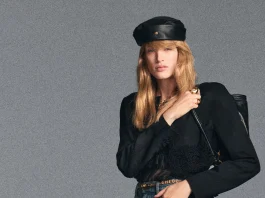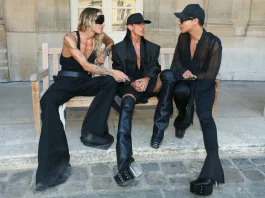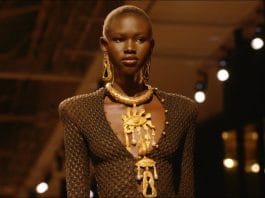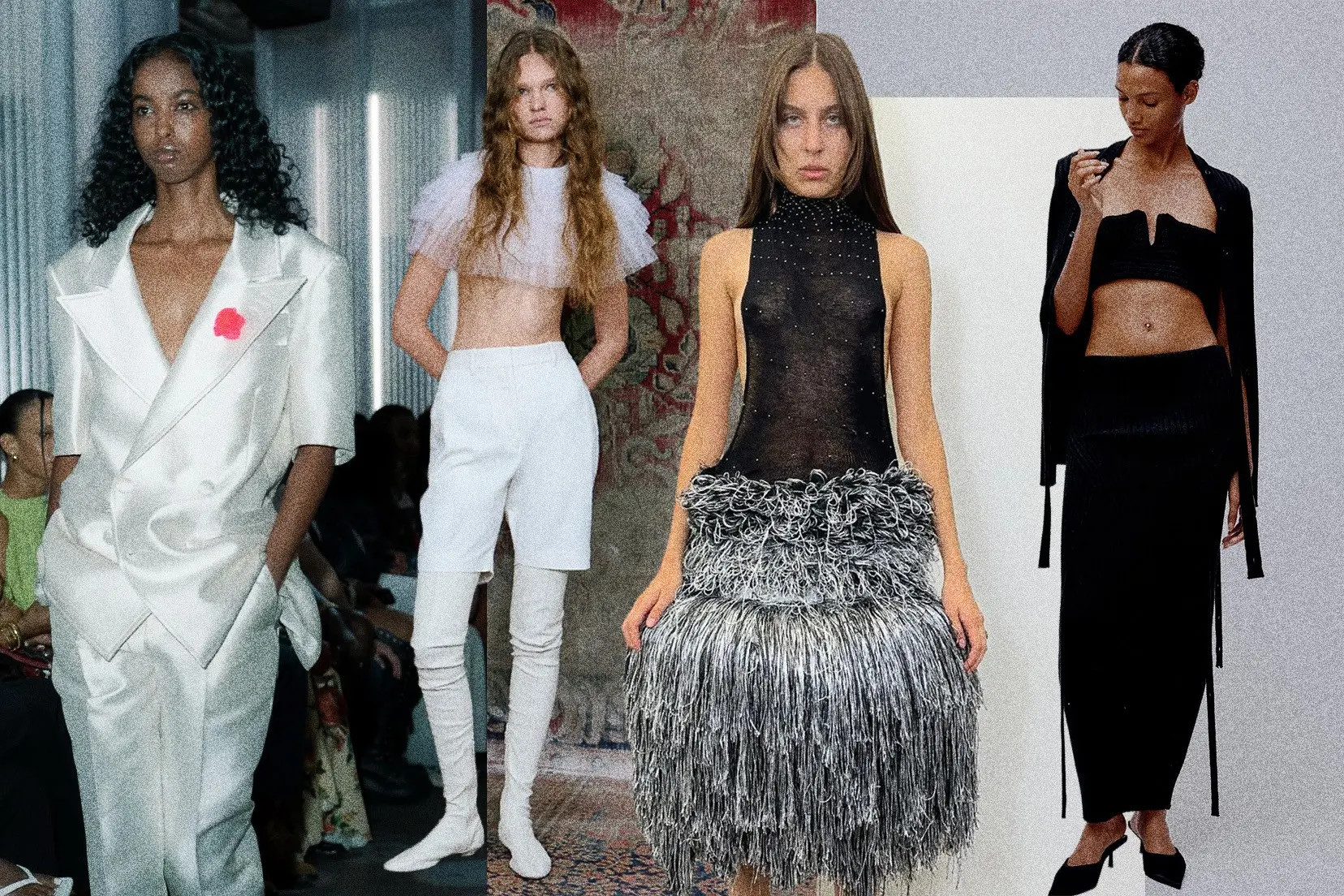
The pattern is visible in Vogue’s recent red-carpet survey, which highlighted labels including Ashi Studio, Colleen Allen, Fforme, Hodakova, Khaite and Kallmeyer as part of a broader move toward fashion’s new guard. Zendaya, Teyana Taylor and FKA twigs have worn Ashi Studio, while Nicole Kidman, Carey Mulligan, Michaela Coel and Britt Lower have gravitated toward Colleen Allen’s refined black dresses and sculptural silhouettes.
Emerging designers shift the balance of power
For decades, red carpets have been dominated by heritage houses with global budgets, couture ateliers and deep celebrity relationships. That system has not disappeared. But a growing number of stars are now making space for designers whose names are not yet shorthand for awards-season glamour.
The appeal is clear: A smaller label can offer a look that feels less expected, less tied to a brand contract and more closely aligned with a performer’s public identity. Billie Eilish wearing a Hodakova skirt suit at the 2026 Grammys and Tessa Thompson stepping out in Kallmeyer suiting show how the red carpet is widening beyond gowns alone. The new breakthrough is not only about dresses; it is about silhouette, tailoring, identity and authorship.
That makes the red carpet a rare media engine for young and independent fashion businesses. One major placement can travel from a step-and-repeat photo to social feeds, fashion newsletters, retailer conversations and search traffic within hours. For a designer without the advertising power of a luxury conglomerate, that visibility can be transformative.
Stylists are becoming power brokers
The movement depends heavily on stylists willing to take risks. A star may bring the attention, but the stylist often finds the designer, shapes the narrative and convinces a client that a lesser-known label can compete with the security of a major fashion house.
That point has become central to the conversation. A separate Vogue analysis argued that supporting up-and-coming labels can be the bigger fashion flex, noting how stylists including Harry Lambert and Danielle Goldberg have helped bring younger names into celebrity dressing. The underlying message is that exclusivity no longer has to mean vintage archives or established couture. It can also mean being early to a designer with a point of view.
The 2025 awards season showed how this works in practice. Fashionista’s 2025 awards-season reporting traced how indie designers including Sergio Hudson, Naya Rea, Bach Mai, Gaurav Gupta and Andrew Kwon landed high-profile placements despite competing with much larger brands. Hudson said the exposure allowed smaller labels to “compete on a level playing field,” a concise summary of why celebrity dressing matters so much to independent fashion.
A longer build, not a sudden trend
This moment did not arrive overnight. The industry has been trying for years to connect promising designers with Hollywood visibility. In 2018, the CFDA’s Los Angeles showroom push was designed to put more American designers in front of stylists after New York Fashion Week, acknowledging that access to celebrity dressing was still uneven.
By 2020, the conversation had widened from access to representation. A Fashionista feature on stylists elevating designers of color showed how red carpets and press tours could be used to spotlight underrepresented creative communities, including Asian designers during Kelly Marie Tran’s “Star Wars: The Rise of Skywalker” promotion and designers of color on major Hollywood carpets.
The shift has also reached accessories. In 2023, Vogue’s profile of Femme LA described how a newer vegan footwear brand became a recurring choice for celebrities including Hailey Bieber, Lori Harvey, Jennifer Lopez and Sydney Sweeney. Together, those earlier examples show that today’s red-carpet opening is part of a longer move toward discovery, not a one-season novelty.
Met Gala visibility raised the stakes
The 2025 Met Gala helped make the opportunity more visible. Glossy’s post-Met Gala analysis noted how the “Superfine: Tailoring Black Style” theme put emerging Black designers and independent names in conversation with the world’s largest luxury houses. That mattered because the Met Gala is not just a red carpet; it is a global fashion broadcast where cultural relevance can shift quickly.
When a smaller label appears beside Chanel, Louis Vuitton, Valentino or Gucci in the same visual stream, it gains a kind of legitimacy that advertising alone cannot easily buy. The effect is especially strong when the look connects to the event’s theme, the celebrity’s identity and the designer’s own creative history.
Emerging designers still face a difficult runway
The breakthrough is powerful, but it is not simple. Red-carpet dressing can require custom work, rushed fittings, sample shipping, tailoring, celebrity-team coordination and the possibility that a look will be dropped at the last minute. Larger houses can absorb those costs more easily. Smaller designers often cannot.
That is why industry support still matters. The CFDA/Vogue Fashion Fund’s 2025 winner announcement named Ashlynn Park of Ashlyn as the winner, with Julian Aubero of Aubero and Stephanie Suberville of Heirlome as runners-up, and said the program provides grants and mentorship to help designers build lasting businesses. The red carpet can create demand, but infrastructure helps designers survive it.
The strongest version of this trend is not charity dressing. It is collaboration. Celebrities gain fresher, more personal fashion moments. Stylists gain a sharper visual language. Designers gain attention that can lead to orders, editorial coverage and industry credibility. Audiences, meanwhile, get red carpets that feel less predictable.
If the momentum continues through the 2026 Met Gala and the next awards cycle, the red carpet may become more than a stage for established luxury. It could become one of fashion’s most visible discovery platforms, where emerging designers do not merely share the spotlight but help define what the spotlight is for.